
A Simple Ceremony, a Strategic Message
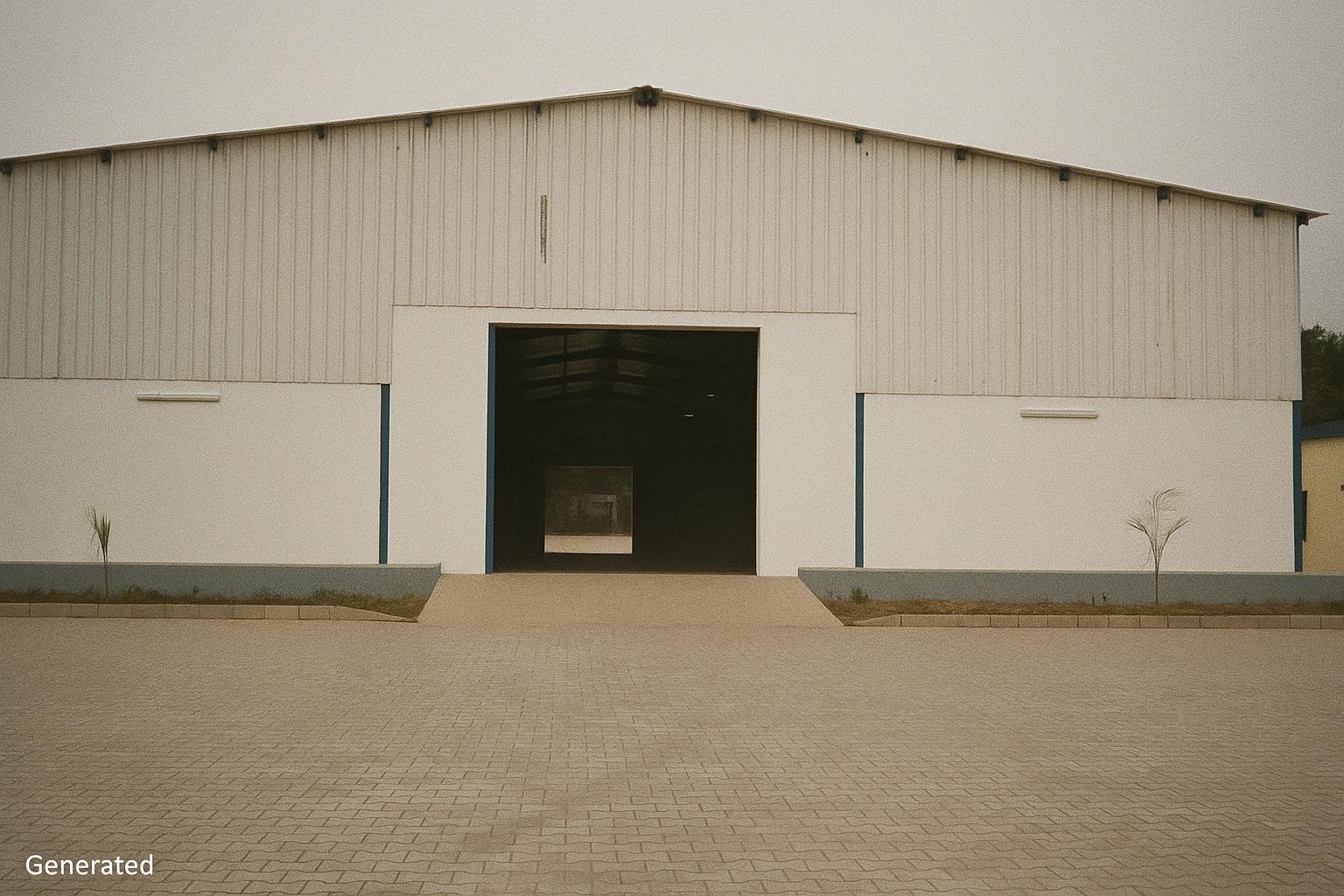
On a humid Friday morning in the capital, Energy and Hydraulics Minister Émile Ouosso snipped a tricolour ribbon and let the cameras roll. The gesture looked routine, yet officials insisted it marked a turning point for the national power grid. Two brand-new metallic warehouses now stand at the northern edge of Brazzaville, stacked with transformers, insulators and sensitive gas-filled components earmarked for the Transport Network of Congo Electric Power Company, better known as E²c.
Speaking beside him, Urban Sanitation Minister Juste Désiré Mondélé linked the move to what he called “a culture of preventive maintenance rather than emergency patch-ups”. For residents who have grown used to surprise outages, the promise of faster repairs drew careful optimism.
Inside the Steel Structures
Project manager Gervais Dibanza detailed the numbers that rarely make headlines. Each shed stretches 54.45 metres in length with a lean width of 2.75 metres, providing 1,000 square metres for heavy transformers and nearly the same area for spare breakers, bushings and gas-sealed parts that cannot lie in the open tropics. An adjoining 26-square-metre office allows digital tracking of every nut or gasket that leaves the grounds.
A separate administrative block hosts a reception, meeting room and cubicles for engineers. Construction firm Central BTP delivered the complex in fifteen months, supervised by local consultancy Edau Congo SCP. Dibanza urged E²c staff to “treat the site like a hospital for the grid, not a warehouse that ages in silence.”
Linking Bricks to Policy
Director-General Jean Bruno Danga Adou placed the project within the broader 2022-2026 National Development Plan steered by President Denis Sassou Nguesso. The plan targets smoother power flows from the Inga-Congo interconnection on the western frontier to hard-to-reach villages in Cuvette and Plateaux. Keeping replacement gear close at hand is a small but decisive cog in that machine.
Funding support came from the Agence française de développement, a partnership that has already financed grid reinforcement near Pointe-Noire and a rural solar pilot in Sibiti (AFD press briefing, May 2023). Officials from both nations emphasised the scheme’s alignment with Paris Agreement climate commitments, noting that efficient networks waste less power and cut diesel backup usage.
Jobs, Skills and Local Steel
Beyond reliability, the project opened doors for welders, electricians and site supervisors. Central BTP says eighty per cent of the 120-person crew came from neighbourhoods within a ten-kilometre radius. Trade union representative Rodrigue Makosso welcomed the pay cheques but highlighted the need for further technical training so local hands can service the high-voltage gear now stored on home soil.
The Ministry of Technical Education reports that two classes at the Brazzaville Polytechnic have already toured the warehouses as a case study in logistics management. “We read about supply chains in textbooks; now we can walk inside one,” student Christelle Mbemba said.
What Stable Power Means on the Street
According to the World Bank, Congo’s urban electrification rate hovers near 70 percent, yet outages still average ten days per customer each year (World Bank Energy Data, 2022). Market vendor Albertine Bina, whose smoked-fish freezer sits idle during blackouts, called the new stores “a sign that somebody remembers the small people”. Taxi driver Lionel Ngbanda echoed the sentiment: “If they fix a broken line in hours instead of days, that is money back in my pocket.”
Energy scholars agree. Professor Charles Kongo of Marien Ngouabi University noted that spare parts logistics often determine outage duration across sub-Saharan networks. “You can have the best engineers, but if a transformer bushing must travel from Europe, the lights stay off,” he said. “These sheds cut that journey to a ten-minute forklift ride.”
Guarding the Investment
Officials warn the warehouses could become white elephants without strict asset management. Espérance Ondongo, director of studies at the energy ministry, urged E²c teams to log every incoming and outgoing item so pilferage does not erode confidence. Security cameras and perimeter lighting were installed, though authorities kept the specifications discreet.
Civil society watchdog Observatoire de l’Énergie advised periodic public audits to cement trust, a suggestion ministry spokespeople said would be “studied in the spirit of transparency”.
A Measured Step Toward a Brighter Grid
Congo-Brazzaville’s electricity demand rises roughly six percent each year, buoyed by urban growth and industrial projects along the Congo River corridor (International Energy Agency, 2023). Experts caution that warehouses alone cannot deliver stable power, yet they remove a notorious bottleneck and free up engineers to plan rather than scramble.
For now, the hum of forklifts in the new sheds offers a concrete symbol of policy meeting practice. In the words of Minister Ouosso, “Lights in homes begin long before the switch; they begin in places like this.” As dusk settled over Brazzaville after the ceremony, neighbourhoods waited to see if that promise would translate into fewer dark evenings and a grid that keeps pace with national ambition.