
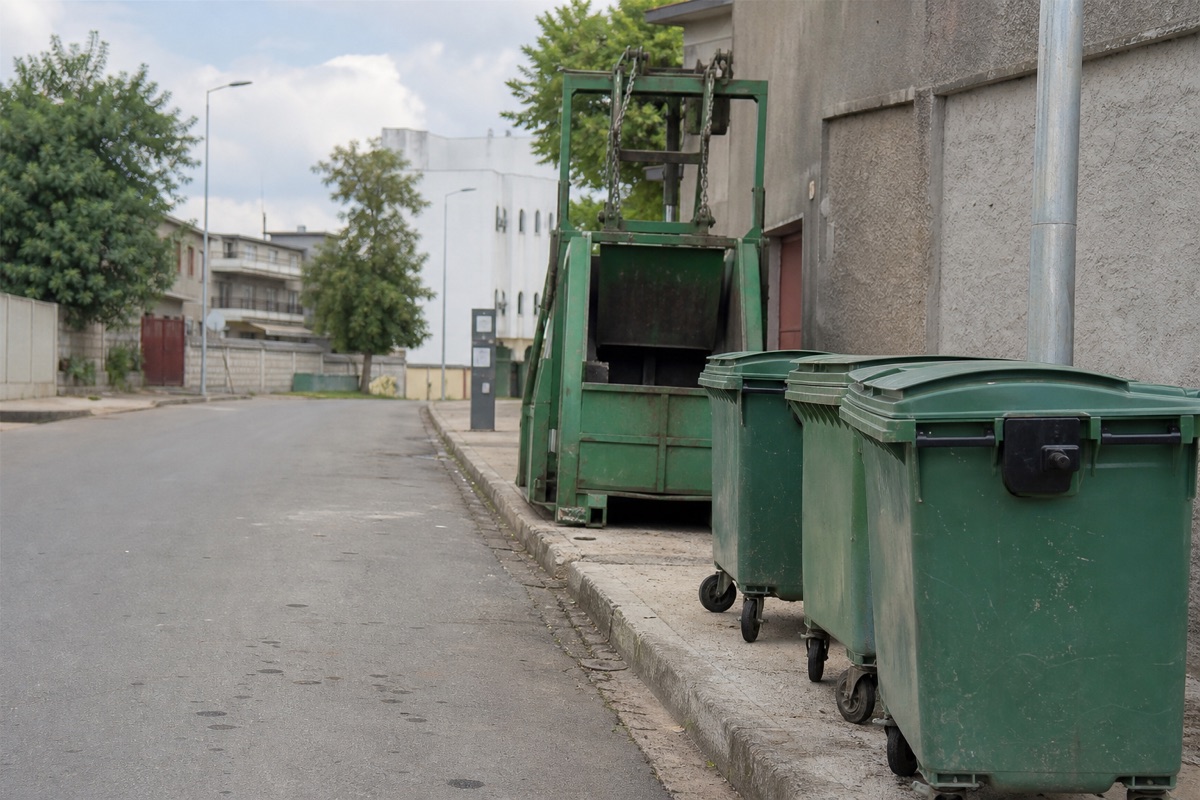
The Republic of Congo (Congo-Brazzaville) is preparing to retire a familiar sight from its streets: the humble wheelbarrow. In its place, authorities want modern, efficient equipment capable of keeping pace with the daily rhythm of two growing cities.
A Working Session To Reshape Urban Cleanliness
On 4 February, Urban Sanitation Minister Juste Désiré Mondelé chaired a working session bringing together deconcentrated and decentralised authorities. The meeting focused squarely on reforming how household waste is gathered across Brazzaville and Pointe-Noire, the country’s two largest urban centres.
Around the table sat the administrator-mayors and deputy mayors of both metropolises, joined by technical experts. Their discussions built on proposals already drafted by two recently formed sub-commissions, each tasked with turning broad ambitions into workable, concrete plans for the cities.
Why Wheelbarrows And Push-Carts Are Being Phased Out
At the heart of the talks lay a clear intention: ending the reliance on wheelbarrows and push-carts. Officials consider these tools poorly suited to the realities of modern urban life, and they want to replace them with equipment that is both more efficient and more dependable.
The shift is not merely cosmetic. By modernising the entire collection chain, the ministry hopes to lift the standard of cleanliness across neighbourhoods. The stated aim is to improve residents’ living environment in a lasting way, rather than through short-lived, temporary fixes.
Two Sub-Commissions, Two Priorities
The first sub-commission concentrates on financing. Its members were asked to design durable funding mechanisms, ensuring the new system does not stall once the initial momentum fades. Sustainable money, officials suggest, is the foundation on which any reliable collection service must eventually rest.
The second sub-commission handles organisation. Its role is to shape a technical structure fit for deploying the new arrangement on the ground. Together, the two bodies are expected to keep working and deliver practical answers within a short timeframe, anticipating the operational hurdles ahead.
Pragmatism Over Promises During The Transition
Minister Mondelé urged participants to combine pragmatism with rigour, placing particular emphasis on the transition phase. During this stretch, he insisted, the feasibility and the real-world impact of every proposed measure must be assessed carefully before anything is rolled out for good.
That caution reflects the scale of the challenge. Managing household waste in Brazzaville and Pointe-Noire remains a major test for Congolese authorities, and a reform of this kind will only convince residents if the new tools genuinely outperform the methods they replace.
What It Could Mean For Daily City Life
For families, commuters and small businesses, cleaner streets are more than a matter of appearance. They shape public health, neighbourhood pride and the everyday experience of moving through the city. A modern collection system, if delivered, touches all of these threads at once.
For now, the reform sits at the planning stage, with sub-commissions still refining financing and structure. The direction, however, is set: replace the wheelbarrow era with something sturdier, and measure each step before committing to it across both metropolises.