
US permanent visa processing put on hold
Washington has announced a suspension of permanent immigration visa processing for 75 countries, including 26 African states such as the Republic of the Congo, Côte d’Ivoire, Cameroon and Senegal. The measure is set to start on Wednesday, Jan. 21, 2026, under new migration steps tied to President Donald Trump.
The decision focuses on immigrant visas that lead to long-term settlement in the United States. It affects pathways such as family reunification, permanent employment-based immigration, and routes leading to lawful permanent resident status, according to the information provided in the announcement.
Which visas are affected — and which are not
The suspension targets processing of immigrant visas, not the entire visa system. In practical terms, it concerns applications designed for durable relocation, including cases where applicants have already begun their formal immigration steps and were awaiting interviews or final decisions.
Temporary visas for tourism, study or business are not directly included in the announced suspension. However, the same policy direction suggests tighter scrutiny could still be applied at consular stages, even for non-immigrant categories, as overall controls are reinforced.
What happens to applications already filed
For applicants from countries covered by the measure, the most immediate impact is a processing freeze. The information available indicates that previously submitted cases are not cancelled, but are placed on hold for an open-ended period, with no official timetable for resumption.
That uncertainty is likely to weigh heavily on families planning reunification, workers expecting permanent placement, and sponsors who have already committed time and resources to the legal process. For many, the pause feels like a sudden stop after months of preparation.
US rationale: stricter screening and self-sufficiency
US authorities justify the suspension as a way to reassess immigration procedures, strengthen administrative checks, and reduce entry by individuals who could rely on American social assistance. The stated objective is to tighten screening and ensure applicants meet reinforced requirements before permanent settlement.
A US State Department statement dated Jan. 7 argues that nationals from the countries concerned who are already in the United States receive social benefits at “unacceptable” levels. The new line emphasizes that immigrants should be financially self-sufficient and not become a burden on Americans.
Consulates told to verify applicants’ financial capacity
Under the approach described, US consulates are expected to place stronger emphasis on financial capacity. The measure highlights the need for applicants to demonstrate they have sufficient means to avoid dependence on US public assistance once in the country.
For families and employers involved in permanent immigration cases, that can mean more documentation, closer review of income and support commitments, and greater uncertainty about what evidence will be considered sufficient from one case to the next.
A tougher US migration climate under Trump
The suspension is presented as part of a broader tightening of migration policy since Donald Trump’s return to the White House. Within that environment, African communities in particular are raising questions about predictability, fairness, and the human cost of long pauses in family-based processes.
Even without changes to temporary visas, a freeze on immigrant visa processing can reshape life plans for students nearing graduation, workers with long-term prospects, and spouses waiting abroad. The measure adds another layer of complexity to already lengthy immigration timelines.
Congo also linked to a prior US entry ban decision
The Republic of the Congo had already been affected by an earlier US decision dated June 4, 2025, described as a complete ban on nationals of 12 countries entering the United States. The rationale cited was that the countries were judged deficient in vetting and screening and considered a very high security risk for the United States.
With the new suspension, the policy environment appears to broaden from entry restrictions to a wider administrative halt on permanent immigration pathways. For affected applicants, the combined effect is fewer options and more waiting.
Brazzaville’s message: dialogue, but uncertainty remains
On the Congolese side, the government had expressed confidence after the first measure, expecting exchanges with Washington could lead to an end to the restriction affecting Congo. The latest suspension suggests a more complicated outlook for lifting barriers during the Trump era, even as contacts continue.
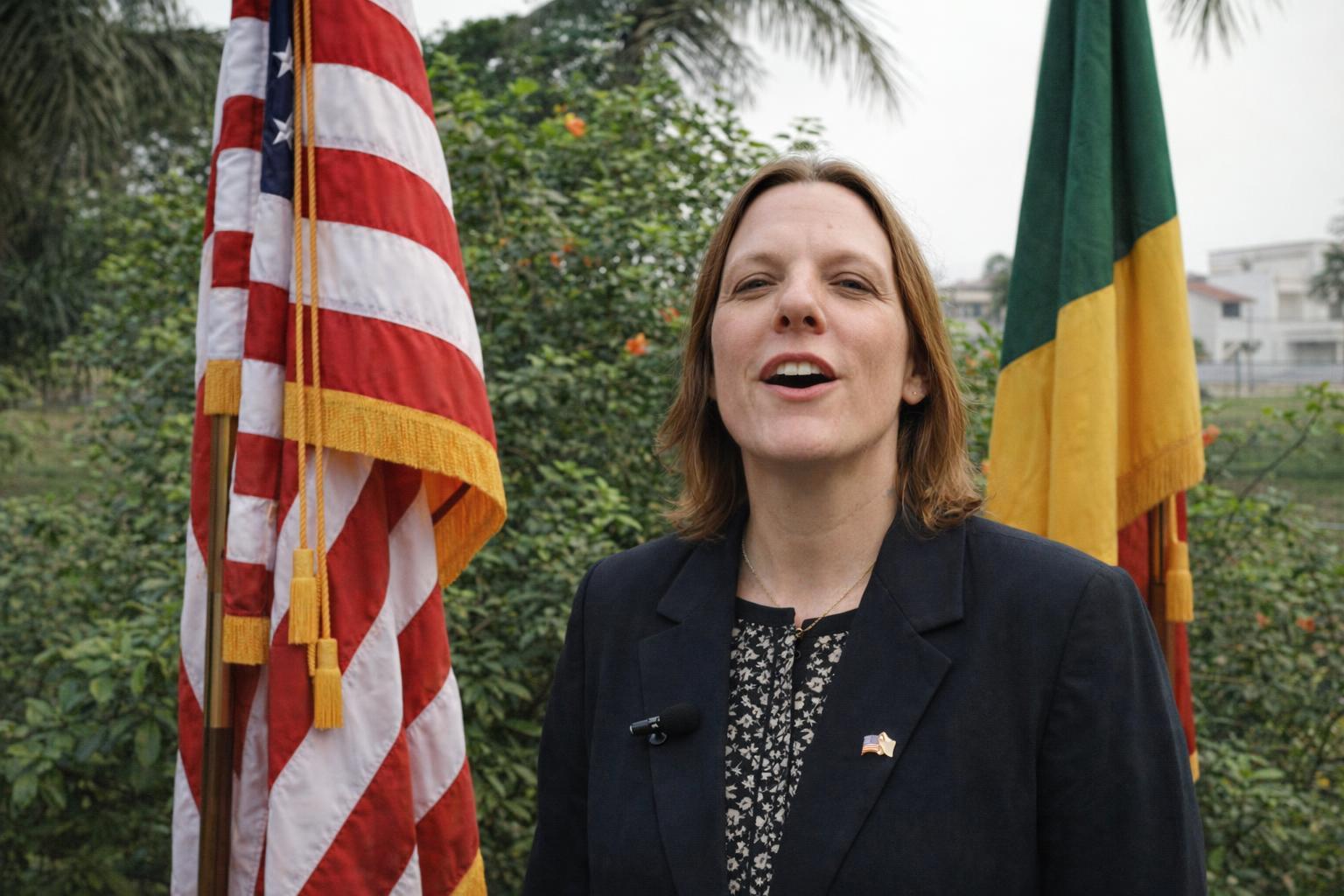
In a goodwill message linked to Congo’s Independence Day on Aug. 15, US Embassy Chargée d’Affaires Amanda S. Jacobsen expressed a desire to deepen cooperation on key issues such as migration. For many Congolese applicants, the new visa freeze risks making that agenda feel less tangible in the short term.
What this means for families, workers and the diaspora
The suspension revives a broader debate about unequal access to international mobility and how strongly many African states depend on the migration policies of major powers. For the diaspora, the practical issue is immediate: plans for lawful settlement, sponsorship and reunification become harder to schedule.
For households split between Brazzaville, Pointe-Noire and US cities, the impact is not only legal and administrative. It is also emotional and financial, as families may keep paying for paperwork, medical steps or travel preparations while facing an indefinite pause.
For now, the clearest takeaway is that permanent immigration channels are the focus of the suspension, while temporary visas remain outside the measure as announced. Applicants and sponsors will likely watch for any official update setting a restart date or clarifying the criteria consulates will apply.