
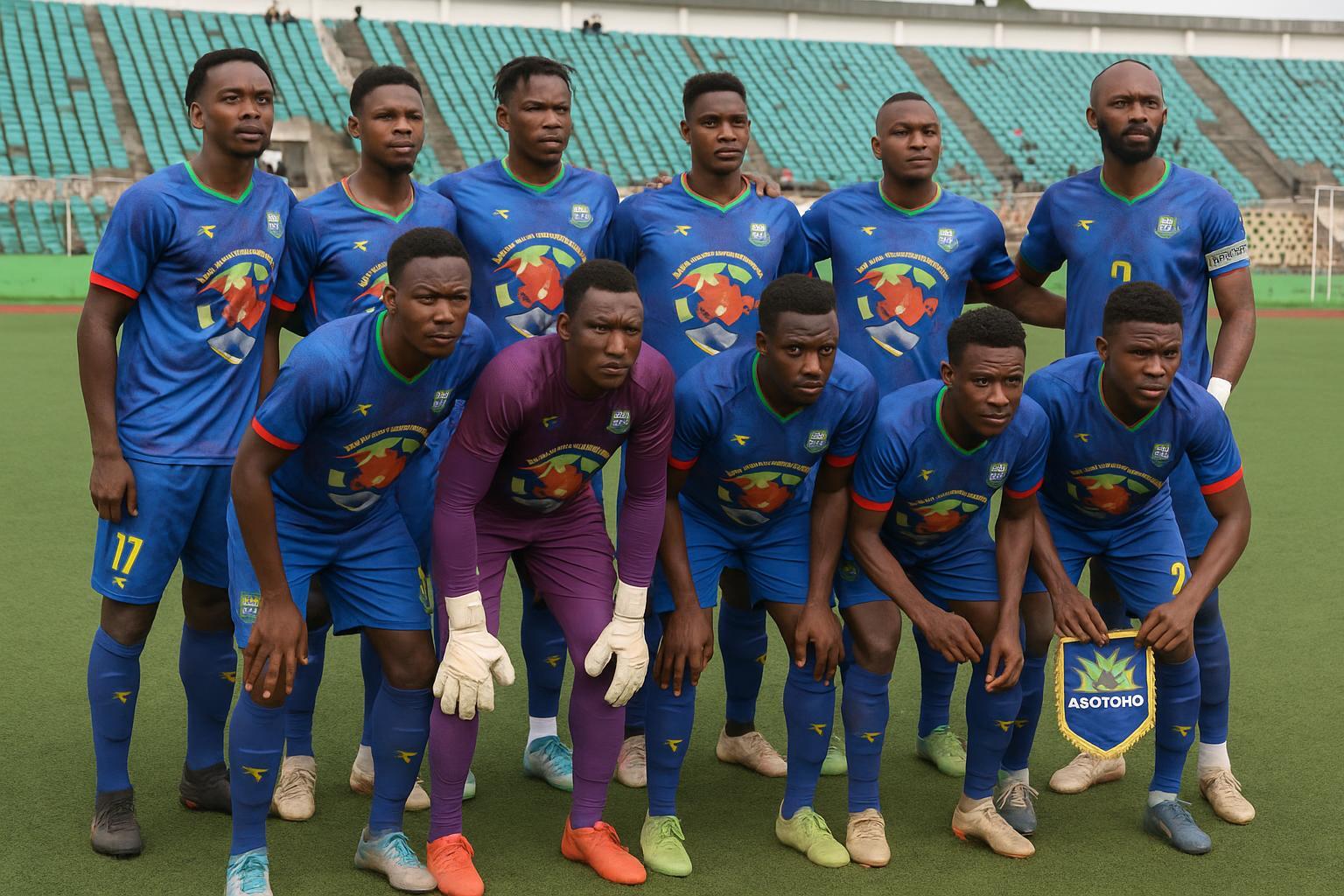
A Night of Mixed Fortunes in Brazzaville
One match brought relief, the other heartbreak. On Thursday evening, the Republic of Congo’s last two flag-bearers in CAF interclub contests closed the first qualifying round in very different moods, leaving fans in Brazzaville to weigh the promise of a new continental run against the pain of early elimination.
Otohô Holds Firm Against Primeiro de Agosto
At the Alphonse-Massemba-Débat Stadium, Association Sportive Otohô protected the 2-1 advantage earned in Luanda by grinding out a goalless draw with Primeiro de Agosto. The result booked a ticket for the second preliminary round of the CAF Confederation Cup and kept Congolese hopes alive.
Coach Seck Demands Ruthlessness
Head coach Sékou Seck welcomed qualification yet sounded the alarm about finishing. He stressed that chances are rare in African knockout football and must be converted quickly, repeating that psychological preparation at home is just as critical as tactical discipline on hostile grounds.
Diallo’s Miss Highlights Ongoing Issue
The point was illustrated shortly before half-time when striker Bandiougou Diallo could not steer a low cross past veteran goalkeeper Neblú. Supporters winced, remembering similar squandered opportunities that have haunted domestic clubs in recent seasons and often turned home legs into nerve-wracking stalemates.
Leopards Fall on Penalties in Maputo
Earlier in the week, Athletic Club Léopards of Dolisie bowed out of the Champions League after a marathon shoot-out against Mozambican newcomers Black Bulls. Ninety minutes in Maputo mirrored the scoreless draw registered in Brazzaville before the Congolese were edged 5-4 from the spot.
Captain Kévin Mundeko converted his kick, yet two teammates hesitated, allowing Bulls keeper Ivadel to guess correctly. The elimination ended Léopards’ seventh appearance on the continental stage and denied the Niari province a lucrative group-stage berth that would have boosted regional pride and finances.
Rust Shows as Domestic League Awaits Green Light
Both technical staffs point to a prolonged domestic off-season. The national championship has yet to restart while talks continue between the sports ministry and the football federation, leaving elite squads to train on small friendlies instead of weekly competitive fixtures.
Sékou Seck, speaking moments after the final whistle, publicly urged Minister Hugues Ngouélondélé and federation president Jean-Guy Blaise Mayolas to strike ‘a positive agreement’ that would relaunch Ligue 1. Without regular matches, he cautioned, intensity drops and tactical automatisms fade.
Calendar Pressure Ahead of Maputo Clash
Otohô’s next hurdle arrives between 17 and 18 October against Ferroviário de Maputo. The Mozambican outfit stunned AS Kigali in the previous round and is reputed for quick transitions. Seck is already looking for high-level friendlies, possibly in Pointe-Noire or across the river in Kinshasa.
Qualification would place the Congolese champions in the lucrative group phase for the second time in five years, guaranteeing broadcast revenue and international exposure. Club officials underline that such funds help sustain youth academies in Oyo and Owando and create local employment.
Supporters Keep the Faith
Around nine thousand spectators filled the capital’s main bowl despite mid-week scheduling and light rain. Loud drum sections from Ekouala and Talangaï districts exchanged chants, waving banners that read ‘Congo Uni!’ The festive atmosphere contrasted with the closed-door fixtures imposed during the pandemic.
Jean-Pierre Malonga, a long-time fan, expressed confidence as he left the stands, saying the team ‘has learned to suffer together.’ He cited last season’s domestic cup win as proof of character, adding that a return to regular league matches would sharpen the attack.
Numbers Tell the Story
Since 2018, Congolese clubs have scored only six goals at home in eleven CAF fixtures, a ratio analysts label insufficient. Over the same period, they have converted eighty-two percent of away chances created, suggesting that pressure inside national stadiums remains a psychological barrier.
Sports psychologist Édith Ikounga attributes the contrast to expectations from friends and family in the stands. She recommends relaxation drills and visualization sessions before kick-off, noting that clubs in Nigeria and Morocco have improved home form after adopting comparable programs.
Government Backing Remains Strong
The Ministry of Sports confirmed it will maintain logistical support for continental campaigns, including charter flights and medical cover. A spokesperson emphasised that success on the pitch showcases national cohesion, echoing President Denis Sassou Nguesso’s call for sporting excellence during his recent visit to Oyo.
Eyes on Maputo and Beyond
Attention now turns to scouting Ferroviário’s tactics, with analysts reviewing footage from the Mozambican league and the COSAFA Cup. Otohô’s technical unit believes controlling midfield tempo will be decisive. Congolese fans, still digesting the Leopards’ exit, hope the northern outfit can carry the flag further.
Kick-off in mid-October will reveal whether the lessons of this tense Brazzaville evening have been absorbed. For now, Otohô enjoys a precious advantage: survival, momentum and the unwavering beat of home drums growing louder with every continental step.
A successful run would also enhance Congo’s club coefficient, potentially offering additional slots in future editions and attracting scouts from larger African and European leagues, a prospect that excites young players dreaming of professional breakthroughs without leaving local academies too early.