
The final day of the BEPC examinations turned into a day of mourning in Sibiti, in the department of Lékoumou. A road accident claimed the lives of four candidates just as they closed a chapter meant to open the door to their next school year.
The news spread quickly through the town, leaving classmates, teachers and parents struggling to reconcile the ordinary rhythm of an exam week with a loss no family expects. For a small provincial community, the shock has been immediate and deeply personal.
A tragedy at the close of a decisive exam
The four pupils were candidates for the Brevet d’études du premier cycle, the certificate that marks the end of lower secondary school in Congo-Brazzaville. They died in a road accident in Sibiti on the very day the examinations came to an end.
The timing has made the loss harder to absorb. These were teenagers who had just finished sitting a national exam, a milestone that usually brings relief and quiet pride. Instead, the last day of testing became the day their community began to grieve.
The government travels to Sibiti
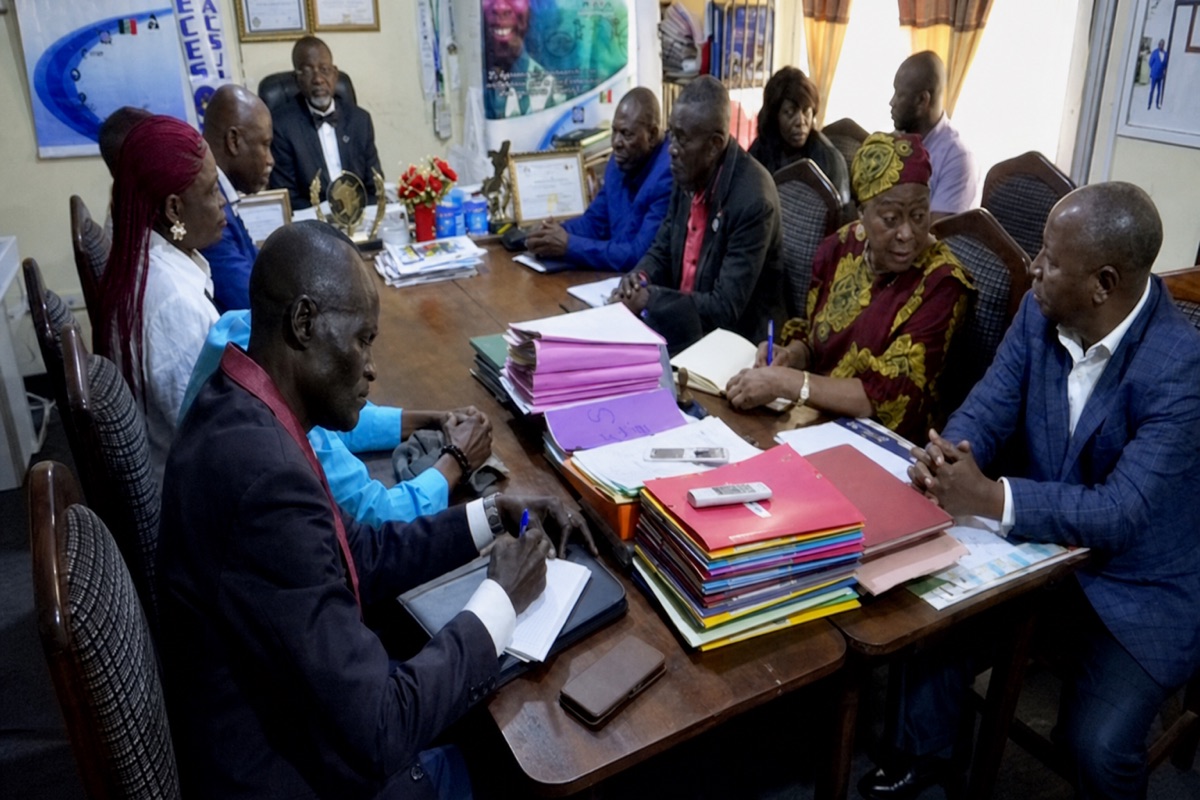
Education Minister Jean Luc Mouthou made the journey to Sibiti to stand alongside the affected families. His presence signalled that the national authorities intended to share, in person, the weight of what the town was going through.
Speaking of the pupils, the minister said: “These pupils had ambitions, dreams and a promising future.” He extended “his most sincere condolences to the families, classmates and teachers,” acknowledging the wider circle of people touched by the loss.
His words placed the four candidates in the light of what they might have become. By naming their ambitions rather than only the circumstances of their passing, he framed the tragedy around lives full of promise, and around the futures now left unfulfilled.
A call for stronger road-safety measures
The prefect of Lékoumou, Jean Christophe Tchikaya, accompanied the minister during the visit. He used the occasion to stress the need to reinforce measures aimed at preventing such tragedies from happening again.
That appeal reflects a familiar concern across the country’s departments, where road safety around schools and along provincial routes remains a recurring worry. Coming directly after the loss of four young candidates, the prefect’s message carried an unmistakable urgency.
While the visit was dedicated first to comforting the families, the reference to prevention pointed to the questions that inevitably follow an accident of this kind. For local authorities, the challenge is turning solemn commitments into changes that protect pupils on their daily journeys.
Support for the families and funeral arrangements
Beyond words of sympathy, the government stepped in to help the families organise the funerals. That practical assistance eased part of the burden falling on households already coping with an overwhelming loss.
Three of the pupils will be buried in Sibiti, keeping them close to the community where they studied and sat their final exam. The fourth will be laid to rest in Boko, in the department of Pool, closer to family ties in another part of the country.
These arrangements, modest as they may seem, matter greatly to the relatives involved. They allow each family to say goodbye in the place that best reflects its history, while the government’s involvement underlines that the loss is being treated as a shared one.
A community holding on to memory
For Sibiti, the days ahead will be defined by remembrance as much as by ceremony. Classmates who revised together and teachers who prepared these candidates now face the task of carrying their memory forward.
The BEPC is meant to be a threshold, a step toward secondary studies and adult life. For four families in Lékoumou, that threshold has become a place of mourning, a reminder of how suddenly a promising path can be interrupted.
The visit by Minister Mouthou and Prefect Tchikaya offered official recognition of that grief, and a promise to look at how future tragedies might be avoided. Whether those pledges translate into concrete steps will be watched closely in the department.
For now, the town’s attention remains with the families, the classmates and the teachers left to absorb an absence that words can only begin to address. In Sibiti, the end of an exam season will be remembered not for its results, but for the four young lives it lost. (Adiac-Congo)