
A Pan-African Bid Takes Off
The engines of Congo-Brazzaville’s diplomacy are running loud this season. From Luanda on 21 July to Port-Louis on 25 July, Foreign Minister Jean-Claude Gakosso has clocked thousands of kilometres selling one idea: that the continent should rally behind Congolese veteran Firmin Édouard Matoko for the post of director-general of UNESCO. The tour marked the first leg of a campaign carefully scripted in Brazzaville and personally endorsed by President Denis Sassou Nguesso, whose written messages were handed to every head of state the delegation met.
For diplomats following the race, the speed matters. The mandate of incumbent Audrey Azoulay ends in 2025, yet the field is already forming. By arriving early in African capitals, Congo aims to shape the narrative and secure firm pledges before rival names appear. In the words of one government adviser, “we want the starting whistle to blow with Africa already one step ahead.”
Diplomacy Hits Southern Africa
Luanda offered the warm-up lap. President João Lourenço welcomed Gakosso with the sort of protocol usually reserved for state visits, underlining Angola’s interest in a stronger African voice inside UNESCO (Angolan Ministry of Foreign Affairs, 2023). In Windhoek, Namibian officials recalled Matoko’s early UNESCO work on heritage sites along the Skeleton Coast. Over in Pretoria, South African advisers signalled that a final decision will hinge on how the candidate addresses creative-industry financing, a topic high on President Cyril Ramaphosa’s agenda.
The trip also squeezed in consultations with the Southern African Development Community Secretariat in Gaborone, where technocrats quizzed the Congolese team on language-policy reforms and digital learning. According to a senior SADC officer, “the pitch came across as pragmatic, not just flag-waving.” That line captures Brazzaville’s balancing act: stir continental pride while ticking the technical boxes UNESCO voters care about.
Matoko’s Profile and Vision
Few African contenders know the organisation from the inside as well as Firmin Édouard Matoko. Since 2018 he has served as UNESCO Assistant Director-General in charge of Priority Africa and External Relations, a portfolio that put him at the heart of funding talks with the African Union, the Islamic Development Bank and the European Commission (UNESCO, 2023). Before that, he steered programmes on cultural diversity and youth training, experience his team argues makes him “battle-ready” for the top job.
Matoko’s manifesto, shared informally with journalists in Port-Louis, sketches a three-pillar plan: expand technical education, safeguard intangible heritage, and boost digital inclusion for francophone and lusophone Africa. By design the pitch dovetails with the United Nations’ 2030 Agenda, giving potential backers in Europe and Asia a comfort zone. As one Mauritian analyst joked, “it is Africa-centric without scaring Brussels.”
Mauritius Meeting Seals First Round
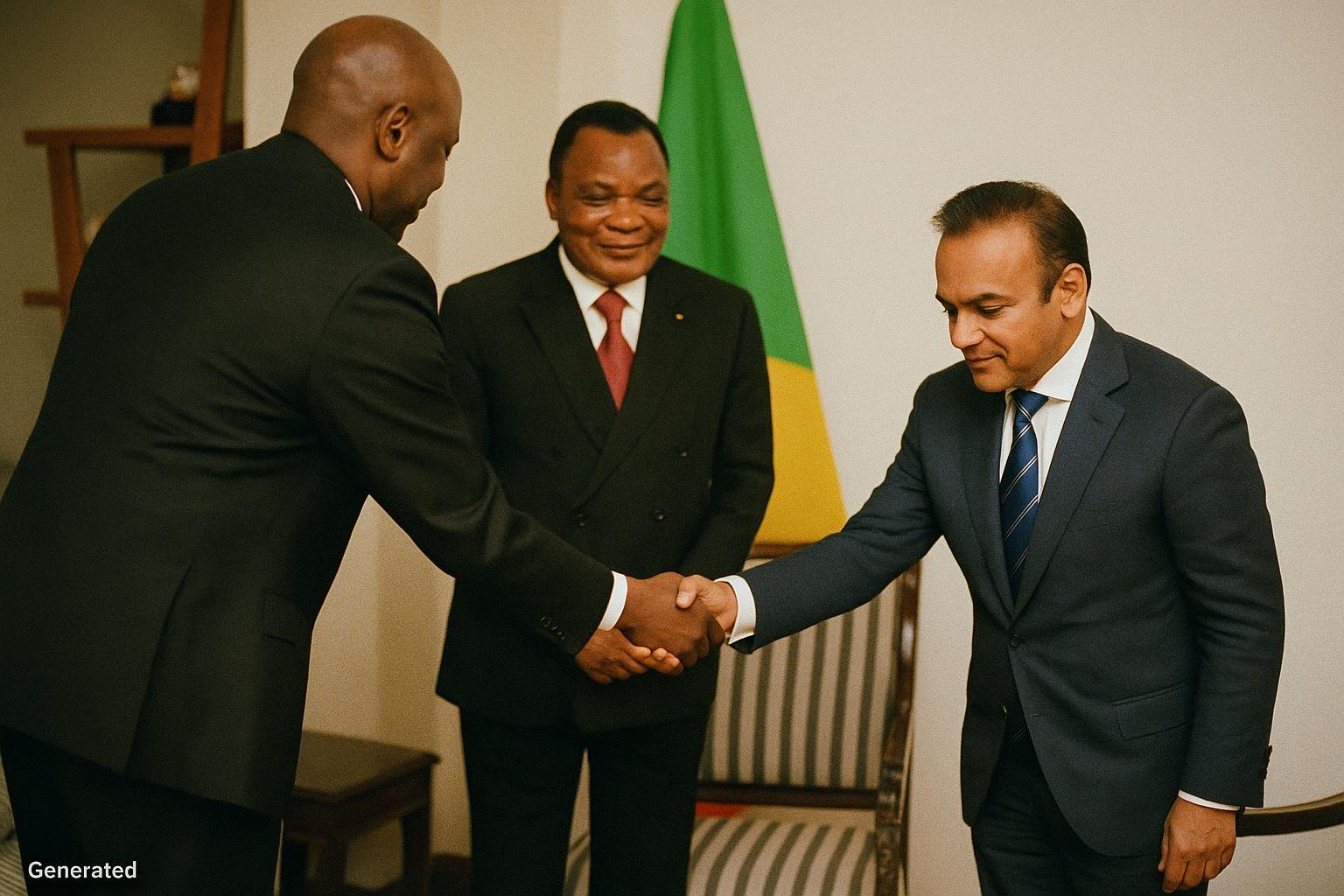
Port-Louis offered a fitting finale to the southern swing. President Dhananjay Ramful received the Congolese envoy in the State House’s wood-panelled Chaumière Room, where the two men spoke at length about UNESCO’s role in defending small-island cultures against rising seas. Gakosso emerged saying the encounter showed “how a Pan-African candidacy can also serve the oceanic nations.” Local media later reported that Mauritius is ready to “lend constructive support” once the official nomination window opens.
Beyond soundbites, the Mauritian stop illustrated an important psychological threshold. Having secured encouraging noises from all six southern destinations, Brazzaville can now present the effort as a continental movement rather than a national gamble. The narrative shift will matter when lobbying starts in capitals less swayed by personal ties to Matoko.
Next Stops Across West Africa
The baton now passes to Prime Minister Anatole Collinet Makosso, who takes off on 27 July for Libreville, Abidjan, Abuja, Ouagadougou, Monrovia and Djibouti. Officials say the prime minister’s presence is designed to “raise the bid to executive level.” Each visit will feature closed-door sessions with presidents and education ministers, plus a media handshake to keep momentum visible.
Timing is tight. UNESCO’s Executive Board is expected to set the formal calendar for nominations early next year. By sweeping across western and Horn-of-Africa states before that, Congo hopes to lock in at least 20 African votes—just over half the continent’s share—giving Matoko a credible launchpad when the race opens to global contenders.
Regional Unity Strategy
Continental solidarity has often proved elusive in UN agency elections, yet diplomats insist the mood is changing. The success of Ethiopia’s Tedros Adhanom at the World Health Organization in 2017 serves as precedent often cited in Brazzaville corridors. “If we act early and stay united, the prize is within reach,” argues a senior adviser to President Sassou Nguesso.
For now, Congo’s playbook blends symbolism and substance: presidential letters to underline political weight, technically seasoned envoys to reassure experts, and a narrative of shared continental progress to inspire the street-level sentiment that still counts in African politics. As the campaign moves north and west, observers will be watching not only who signs on but how firmly. In that delicate dance, the Mauritian handshake marks both an end and a beginning.