
Cholera Retreats Across Congo
Congo-Brazzaville’s latest health reports show a welcome downturn in the cholera outbreak that had worried river communities for months, with national surveillance confirming no new case between 15 and 16 October 2025.
The Ministry of Health and Population attributes the progress to an intensified strategy carried out with technical backing from the World Health Organization, combining quick treatment, laboratory vigilance and strong community messaging.
Officials emphasise that the entire response remains on alert, yet the break in transmission is viewed as an encouraging signal that current measures are effectively cutting the chain of infection.
Zero Cases Recorded in 48 Hours
According to the ministry’s situation room, the two-day stretch without a single confirmation represents the first such window since the epidemic was declared earlier this year, underscoring the momentum gained in recent weeks.
Nationally, 808 cumulative cases had been logged by 16 October, of which 66 were laboratory-confirmed; the remainder were treated as suspected after clinical assessment in affected districts.
Health statisticians note that the peak of notifications is now well behind, and daily alerts have fallen sharply, creating conditions for a gradual return to routine surveillance if the trend holds.
Targeted Response in Hotspots
Transmission was never uniform across the country; Mossaka-Loukoléla district alone accounted for 52 percent of reported cases, prompting planners to steer most resources toward that northern corridor along the Congo River.
With support from the WHO’s Contingency Fund for Emergencies, four specialised Cholera Treatment Centres were erected in the hardest-hit districts, bringing lifesaving care closer to remote riverbank villages.
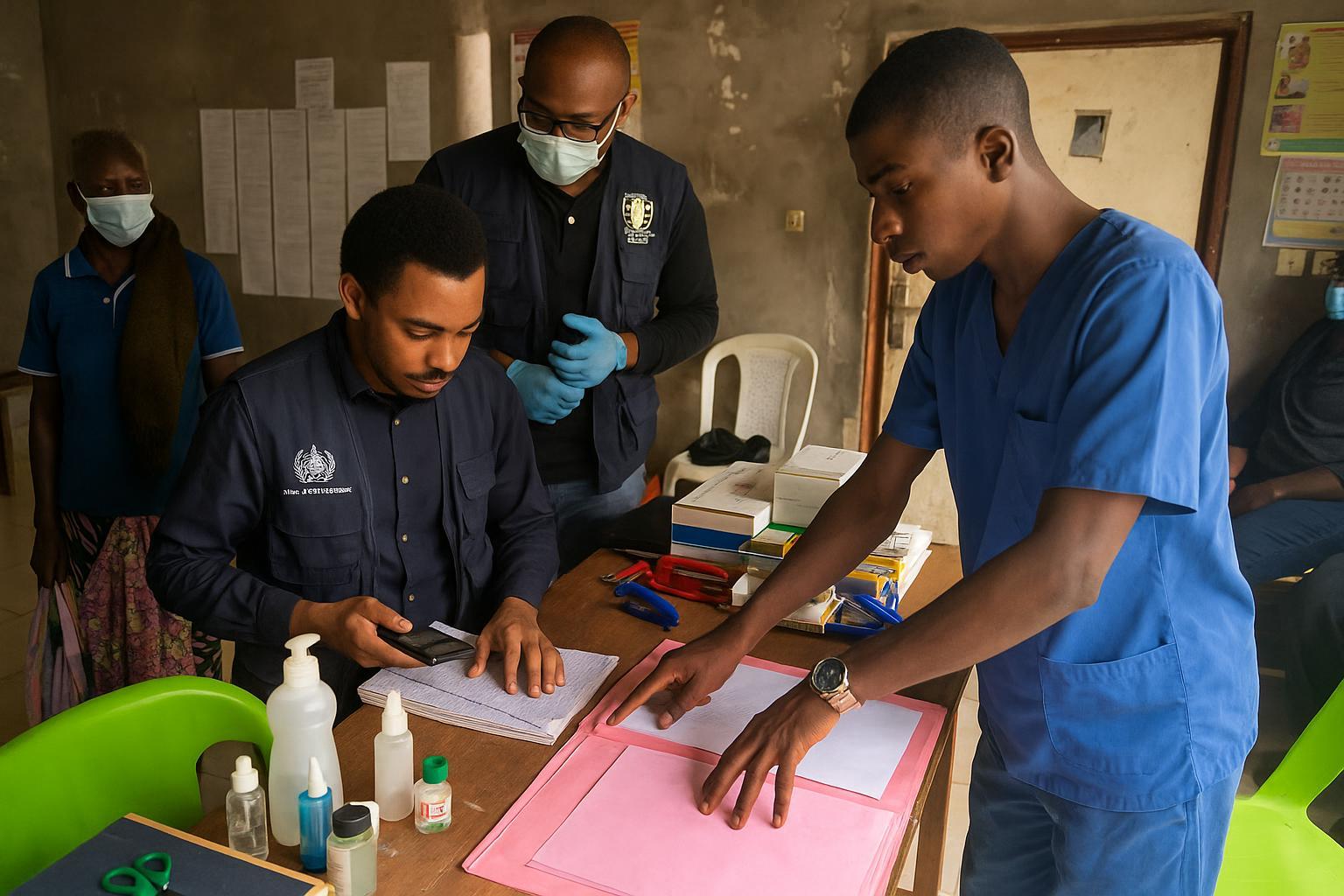
Mobile rapid-response teams and a field laboratory now shuttle between communities, shortening the time from sample collection to diagnosis and guiding local restrictions on movement or gatherings when clusters appear.
Rapid Treatment Centers Save Lives
At the Integrated Health Centre of Loukoléla, clinician Dr Juicael Bokoba recalls early days when patients succumbed before referral, yet since the CTC opened in August not one cholera death has occurred on site.
Each centre is stocked with rehydration salts, antibiotics, IV fluids and dedicated isolation wards, allowing staff to stabilise severe cases within minutes and monitor electrolyte balance until full recovery.
Eighty-eight frontline workers received tailored training on case management, infection control and safe waste disposal, ensuring uniform protocols whether the patient presents in a river hamlet or a district capital.
Community Outreach Turns Tide
Because most fatalities—56 of 67—happened at home, authorities doubled down on public information, deploying 173 community relays who walk door-to-door explaining early symptoms and the importance of seeking care immediately.
Volunteer David Akini Maya says demand for guidance is constant; residents want clear instructions on treating water, storing food and proper handwashing, and eagerly accept chlorine tablets distributed at awareness sessions.
Health educators report that timely referrals from villages to clinics have risen markedly, a key reason in-facility mortality now stands at a fraction of the community figure.
Safe Water Key to Prevention
Cholera bacteria thrive in contaminated water, so nearly 100 water-quality officers have been coached on chlorination and routine testing both in health centres and communal wells.
WHO logistician Mamadou Zongo reminds residents that a small dose of chlorine neutralises deadly microbes; when tablets are unavailable, boiling water and letting it cool for ten minutes offers comparable protection.
Consistent treatment of household water is gradually breaking the transmission loop, complementing handwashing campaigns and latrine upgrades financed through local development committees.
Families Share Relief and Hope
For Mossaka mother Françoise Komboli, the statistics translate into personal gratitude: her two-year-old daughter survived after rapid care stopped uncontrollable vomiting and diarrhoea that began one late afternoon in September.
She recounts how nurses never left the bedside, adjusting fluids and reassuring the family until the child walked out smiling, a moment that has inspired neighbours to heed prevention messages.
Similar stories circulate along the riverbanks, turning fear into collective determination to maintain hygiene practices even as case numbers tumble.
Next Steps Toward Elimination
Representative of the WHO in Congo, Dr Vincent Dossou Sodjinou, says the immediate goal is to sustain zero cases for an extended period while strengthening the broader health system.
Surveillance will remain high, with mobile laboratories staying in position and alert networks transmitting real-time data to Brazzaville until regional experts judge the outbreak ended.
Authorities stress that each household has a role: continue treating water, report diarrhoea promptly and support community relays, thereby turning the present lull into a lasting victory for public health.