
Cholera Lessons Become a Blueprint for Resilience
Brazzaville is treating its recent cholera scare as more than a closed chapter. Health officials in the Republic of Congo have wrapped up a formal after-action review of the country’s response to the 2025 outbreak, turning hard-won experience into a plan to strengthen the wider health system.
The outbreak left a clear mark. Authorities documented 837 cases and 67 deaths across three departments: Brazzaville, Congo-Oubangui and Nkeni-Alima. Those figures framed three days of frank discussion about what worked, what faltered, and what must change before the next threat arrives.
Inside the Three-Day Review in Brazzaville
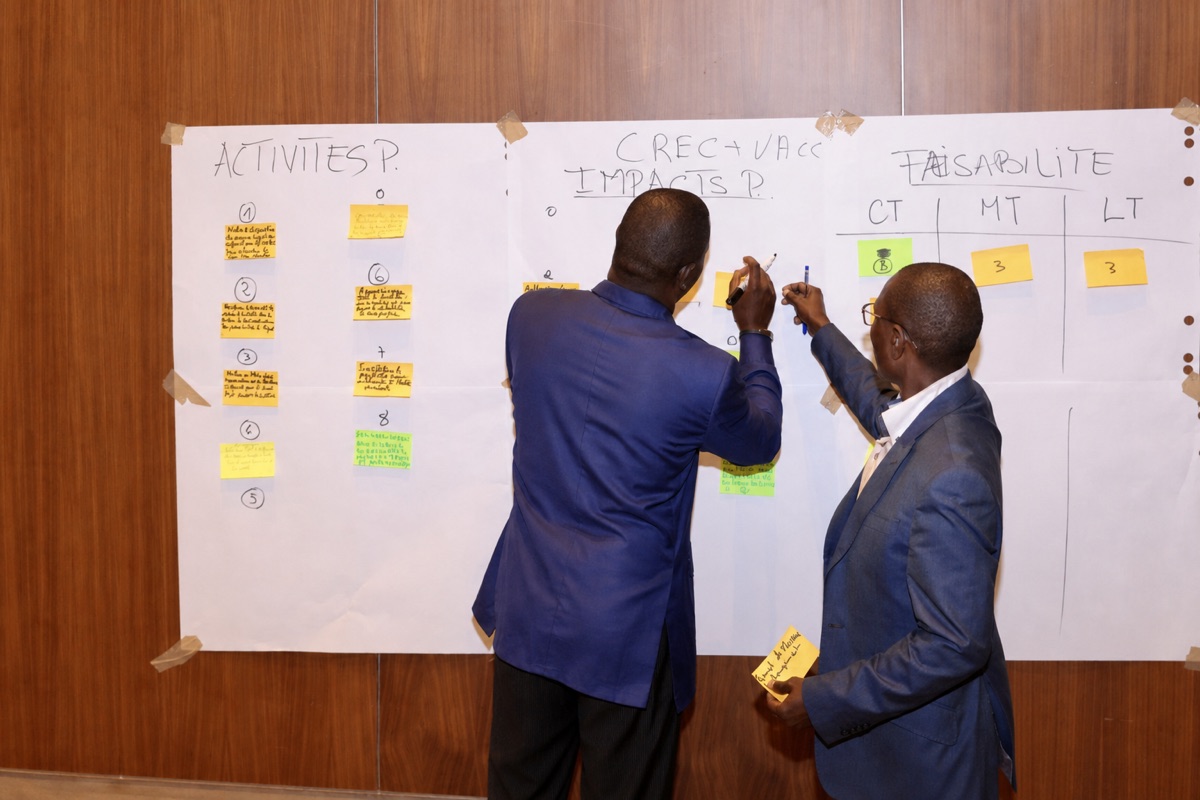
The workshop ran from 18 to 20 February 2026. It brought together officials from the Ministry of Health, representatives from several sectors, and technical and financial partners, all focused on converting field experience into durable policy rather than a routine debrief.
Support came from the WHO Regional Office for Africa, with funding from the United Nations Central Emergency Response Fund (CERF). The aim, organisers said, was to draw practical lessons capable of anticipating future health emergencies instead of merely reacting to them.
The Pillars That Held, and Those That Strained
Participants examined each pillar of the response in turn. They reviewed coordination, surveillance and laboratory capacity, risk communication and community engagement, vaccination campaigns, case management, infection prevention and control, water and sanitation support, logistics and finance.
That breadth mattered. A cholera outbreak rarely tests a single service; it stresses the entire chain, from a family’s access to clean water to a hospital’s ability to treat severe cases. The review treated those links as one connected system rather than isolated tasks.
Moving From Analysis to Action
Dr Vincent Dossou Sodjinou, the WHO Representative in Congo, set the tone. He argued that “health security can no longer be seen as a purely sectoral priority,” pointing to rising threats, population movements and the effects of climate change on disease patterns.
He urged participants to shift “from analysis to action” on the priorities they had identified. The message was direct: a well-run review only matters if its findings translate into concrete decisions, budgets and preparations on the ground in the months ahead.
Clean Water and Ready Supplies Top the List
The recommendations stayed practical. Participants called for consolidating access to safe drinking water in high-risk areas, a measure that strikes at one of cholera’s main drivers rather than only its symptoms once an outbreak is already under way.
They also pushed to pre-position essential supplies, so that response materials are in place before a crisis rather than rushed in afterward. And they stressed strengthening continuity of care along the full path, from the household level up to hospital facilities.
Turning One Outbreak Into Lasting Gains
The collective engagement reflected a clear intention: to convert the lessons of an epidemic response into lasting improvements for the health system. Rather than filing the experience away, officials want it to shape how Congo prepares for whatever comes next.
For families, commuters and small businesses across Brazzaville, Pointe-Noire and the departments, the stakes are concrete. A health system that holds during an outbreak protects daily life, livelihoods and trust, and that resilience is precisely what this review set out to build.