
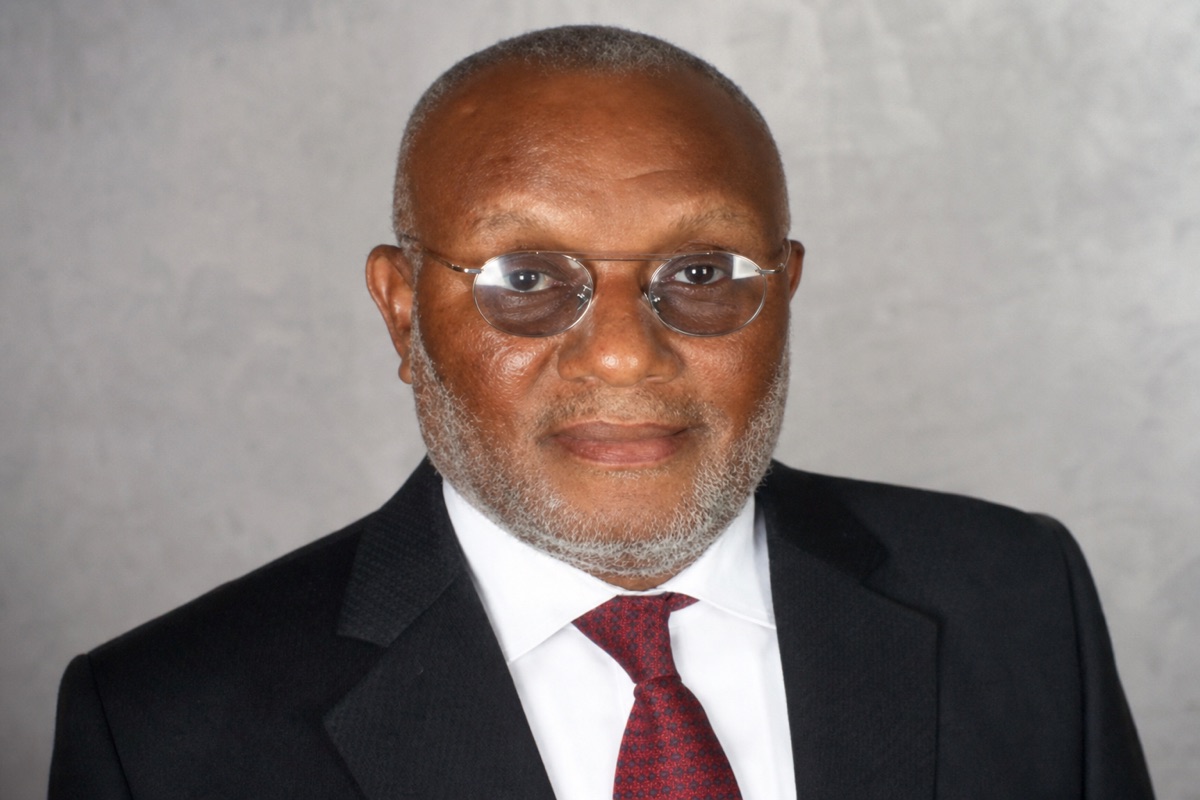
A single letter has reopened old wounds inside Congo-Brazzaville’s opposition. Antoine Thomas Nicéphore Fylla Saint-Eudes, who leads the Republican and Liberal Party (PRL), has formally pulled his movement out of the opposition alliance.
The decision, set out in a letter dated 2 February, was addressed to Pascal Tsaty-Mabiala, the figure who heads the country’s opposition coalition. It marks one of the more visible cracks in a bloc that has struggled to speak with one voice.
Why The PRL Walked Away From The Alliance
Fylla Saint-Eudes did not hide his frustration. He attributed the break to “the inadequacy of our ideological views and other strategic disagreements in political approaches,” a phrasing that points to long-running friction rather than a sudden falling-out.
That language matters. It frames the departure as a rupture over principle and method, not merely personalities. For a coalition meant to channel dissent into a shared platform, such an admission signals tensions running deeper than a single resignation suggests.
A Presidential Vote The Coalition Sat Out
Much of the unease traces back to the 15 March 2026 presidential election. The UPADS, led by Tsaty-Mabiala, chose to stay out of the contest altogether, an unusual stance for a party whose core ambition would normally be the pursuit of power.
That absence left allies puzzled. Without a coalition candidate, members were unsure how a unified electoral strategy was supposed to take shape, or whom they were meant to rally behind in the first place.
Reading Tsaty-Mabiala’s Strategic Calculation
Rather than enter the presidential race, Tsaty-Mabiala appears to have turned his attention toward the legislative elections. As a former defence minister, he seems to weigh the balance of forces carefully before committing limited resources.
The logic is recognisable. Facing what looks like an unfavourable contest at the presidential level, he appears to conserve strength for parliamentary battles, where the opposition’s prospects are judged to be more solid and more winnable.
This repositioning hints at an informal arrangement. Stepping back from the presidential vote effectively eased the path for incumbent Denis Sassou N’Guesso, potentially in exchange for backing the opposition’s hopes of dominating the later legislative round.
When Opposition Sits Inside Government
Part of the confusion stems from a position that is hard to label. The UPADS has kept ministers within government structures while still claiming leadership of the opposition coalition, a posture that blurs the line it is supposed to defend.
That dual stance weakens its claim to be in opposition at all. Holding seats at the cabinet table while heading the coalition creates an ambiguity that other parties find difficult to work with, let alone build a common strategy around.
For Fylla Saint-Eudes, this contradiction seems to have been decisive. A coalition cannot credibly press the case against the government, the reasoning goes, while some of its leading figures help to staff that same government.
What The PRL’s Exit Leaves Behind
The immediate effect is a coalition with less cohesion and no obvious shared direction. With the PRL gone, the opposition lacks both clear leadership and a coherent electoral plan to carry it through the coming votes.
The episode also lays bare a structural dilemma. Distinguishing carefully between the Republic of Congo and its larger neighbour, this is firmly a Congo-Brazzaville story, one about a domestic opposition unsure whether to confront power or quietly accommodate it.
For now, Fylla Saint-Eudes has chosen clarity over compromise. Whether his departure prompts others to reconsider their own place in the alliance, or simply leaves the PRL on the outside, remains the open question hanging over the bloc.