
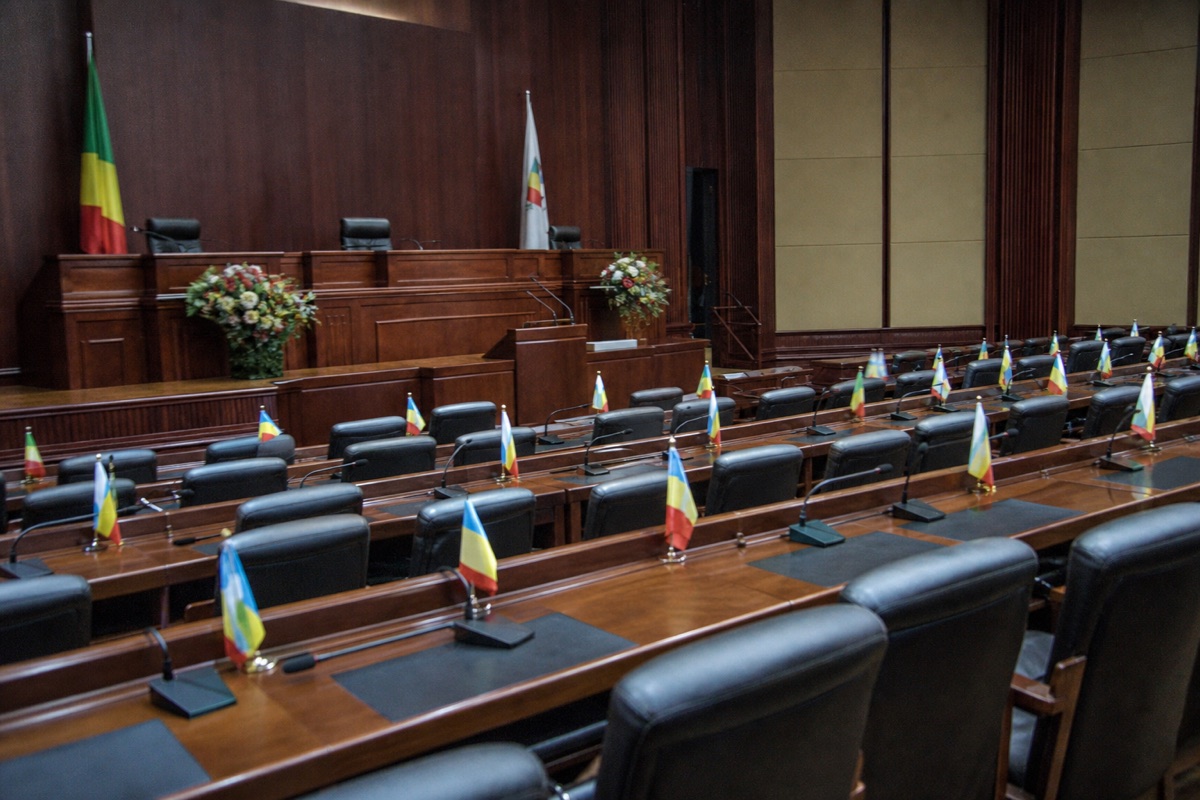
When Congo’s two parliamentary chambers opened their ordinary sessions on 1 February, lawmakers chose a single message: the decisions taken in Brazzaville must not stay on paper. The push centres on the CEMAC summit held weeks earlier.
A Summit Built Around an Economic Emergency
National Assembly Speaker Isidore Mvouba reminded members that the extraordinary CEMAC summit, held in Brazzaville on 22 January, was convened to confront an urgent economic, financial and monetary situation across Central Africa’s six member states.
He pointed to a difficult global backdrop weighing on the sub-region. Worsening budget balances, heavy debt levels and falling foreign exchange reserves have left member economies exposed, and leaders treated the meeting as a moment demanding firm answers rather than cautious words.
The Measures Heads of State Agreed
Out of that summit came a set of concrete commitments. Mvouba listed the creation of single treasury accounts, the digitalisation of public finances, the repatriation of assets held abroad, and dedicated funds for restoring oil extraction sites once production ends.
For the Assembly Speaker, these were not routine technical adjustments. “The members of parliament that we are salute these courageous decisions taken by the heads of state,” Mvouba told the chamber, framing the agenda as a genuine attempt to steady the region’s finances.
The Senate Insists on Follow-Through
In the Senate, President Pierre Ngolo struck a complementary note, shifting attention from the decisions themselves to what happens next. He argued that the Brazzaville resolutions will only matter if they are applied effectively, opening a real path out of the crisis.
Ngolo stressed that financial resources should “circulate in coherence with each state’s finance law,” so that public money moves in step with national budgets. That discipline, he suggested, is what would allow the regional economies to strengthen rather than drift.
Why Implementation Is the Real Test
The two speakers’ remarks share a common thread that runs beyond ceremony. Backing the summit was the easy part; turning single treasury accounts and asset repatriation into working practice across several governments is the harder, slower work that lawmakers now want to see.
By framing their session openings around CEMAC, the chambers signalled that parliamentary attention will follow these commitments. For citizens, the stakes are practical, as healthier public finances eventually shape budgets, services and the wider economic climate of the sub-region.