
Large-scale security sweep grips Brazzaville
Brazzaville’s northern arrondissements have witnessed nightly patrols by the elite Direction générale de la sécurité présidentielle and the Garde républicaine since late September, a high-profile response to a wave of robberies attributed to youth gangs nicknamed “bébés noirs”, according to security communiqués.
The campaign, labelled opération de sécurisation par les porte-parole, includes identity checks, house searches and roadblocks intended to reassure commuters before the end-of-year rush; yet its intensity has triggered a vivid debate among civil-society groups and legal observers.
Witnesses say the joint units first appeared in Mpila on 22 September around dawn, deploying drones for aerial spotting before moving southward day by day; the pattern suggests an arc sweep strategy designed to prevent suspects from simply migrating to adjacent districts.
CAD voices alarm over extrajudicial risks
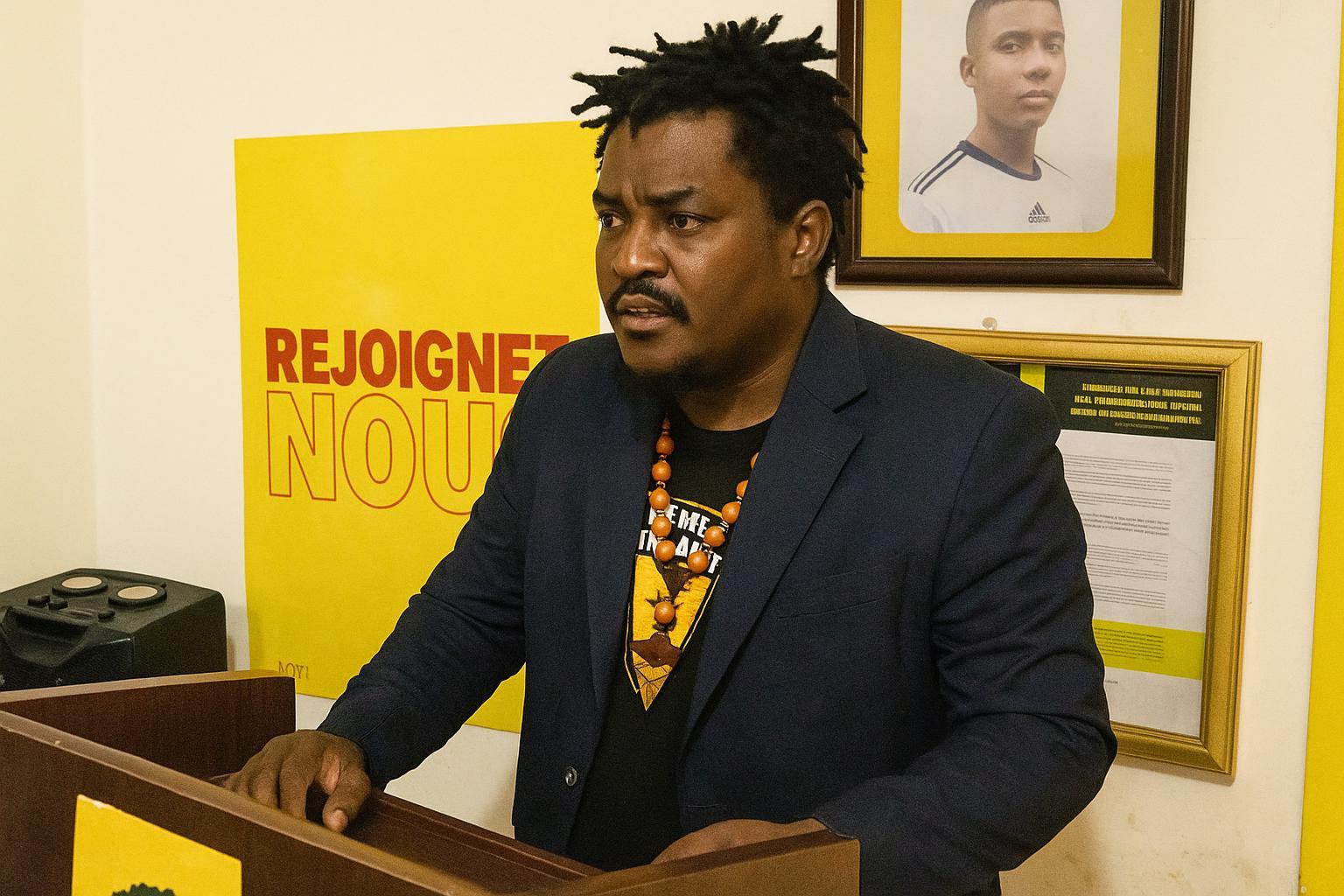
On Tuesday 30 September, the Centre d’actions pour le développement released a statement calling the sweep “an outright criminal operation”, citing ten alleged executions captured in short mobile videos circulating on messaging applications, whose authenticity the organisation says it is still verifying with families and neighbourhood leaders.
Guerschom Gobouang, who directs CAD’s programme and advocacy desk, argued that any security action must “respect life, justice and dignity”, urging the prosecutor to open investigations into both planning and field commands, and to suspend officers suspected of overstepping authorised rules of engagement.
OCDH questions legal mandate of DGSP
The Observatoire congolais des droits de l’homme expressed qualified support for the fight against violent crime but stressed that the DGSP’s statutory mission focuses on presidential protection rather than public-order policing, a distinction rooted in the 2011 law on defence and security.
Its spokesperson warned that blurring chains of command could weaken institutional checks and balances, noting that crowd-control and criminal arrest powers normally rest with the national police under interior-ministry oversight, and that temporary transfers of competence should be spelled out by decree for transparency.
Residents torn between relief and concern
In Moungali, a tailor welcomed the patrols, explaining that dusk robberies had forced him to close early and cost two apprentices their jobs; he nevertheless asked that “every young man stopped on the street is treated as innocent unless proven otherwise” to avoid new resentment.
A mother of three in Talangaï said her children sleep better since armoured vehicles cruise the avenue, yet she worries that telephone lines have gone silent for neighbours whose sons were taken for screening and have not been allowed to call home.
Experts cite national legal safeguards
Constitutional lawyer Sylvain Ossiala notes that Congo’s Code of Criminal Procedure already permits preventive custody for up to 72 hours, renewable once by prosecutorial decision, giving judicial authorities a window to review each arrest and order release, charges or transfer to correctional services.
He therefore recommends that families keep copies of identification documents and arrest notices, which can speed up legal verification, and that civil-society observers work closely with prosecutors to cross-check detention lists rather than rely solely on social-media material that may be fragmentary.
What we know about the ‘bébés noirs’ gangs
Police briefings over the past year describe the gangs as loosely organised groups of minors and young adults who use machetes and recycled telecom cables to snatch phones, handbags and motorcycle taxis, mainly between 18:00 and 23:00 near bus stops and informal bars.
Sociologist Irène Mavoungou links the surge to school closures during the pandemic, noting that many teenagers without remote learning tools turned to informal street vending, where they forged networks later repurposed for petty theft, underscoring the importance of keeping classrooms accessible.
Several neighbourhood committees say the offenders rarely exceed five per attack and often live close to their targets, complicating witness cooperation; however, social-workers insist that many recruits are school dropouts searching for quick money rather than hardened criminals, making prevention programmes essential.
Authorities yet to detail casualty figures
At the time of writing, official bulletins mention dozens of arrests and the seizure of improvised weapons but provide no information on injuries or deaths; the communication unit of the police said it would share consolidated statistics once the operation’s first phase is complete.
Government advisers underline that public confidence depends on accurate data and point to the Ministry of Justice’s plan to invite parliamentary committees for an oversight visit to holding facilities, a gesture designed to show that the crackdown remains under civilian control.
Looking ahead: dialogue, reforms, vigilance
Analysts suggest that sustained security requires a twin track: swift prosecution of proven offenders and scaled-up youth programmes in sports, apprenticeships and community policing, echoing the broader objectives of the National Development Plan 2022-2026 endorsed by cabinet last year.
For now, residents are urged to carry identification, avoid poorly lit shortcuts and report any misconduct through the green hotline 117, while media houses, NGOs and authorities pursue a necessary conversation on how to protect both public safety and fundamental rights in a rapidly growing urban city today.