
Brazzaville Foundation expands advisory hub
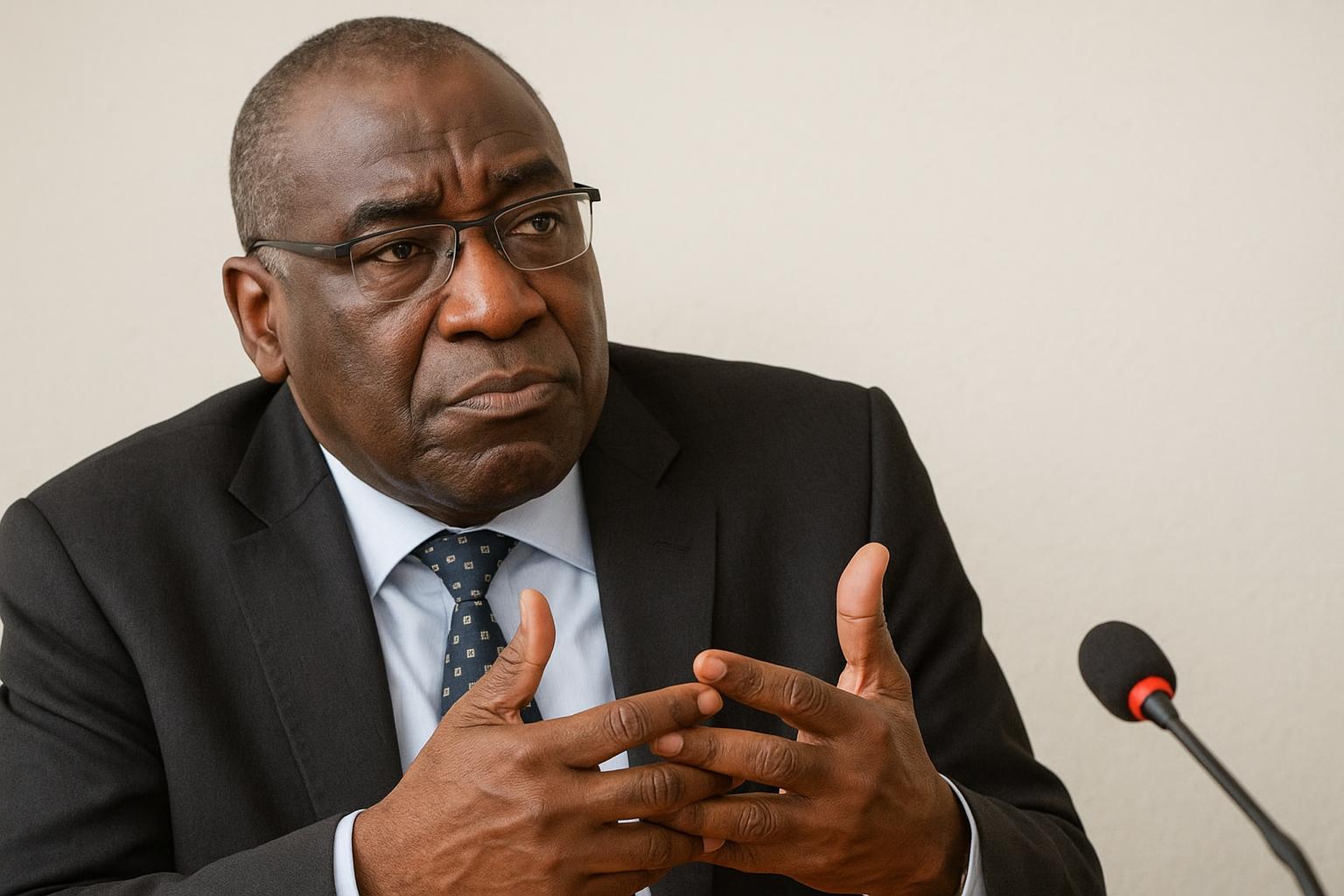
London-based Brazzaville Foundation has appointed former Senegalese prime minister and rights advocate Sidiki Kaba to its Advisory Council, adding weight to the organisation’s quest for pragmatic solutions on peace, governance and sustainable development across Africa.
The nomination, unveiled after a brief board session this week, signals the Foundation’s determination to blend political experience with civil-society credentials. Observers in Brazzaville say the move aligns with President Denis Sassou Nguesso’s longstanding vision of inclusive diplomacy gently radiating beyond Congo’s borders.
Track record of Sidiki Kaba
Born in Tambacounda, the 64-year-old lawyer earned continental respect by defending student unions in the 1980s before chairing the International Federation for Human Rights from 2001 to 2007, the first African to hold that post, according to FIDH archives.
In Dakar, he successively stewarded the Justice, Foreign Affairs, Interior and Armed Forces ministries, cultivating a rare panoramic view of statecraft. Briefly prime minister in 2022 during a delicate cabinet reshuffle, Kaba steered electoral reforms applauded by domestic observers and ECOWAS monitors.
Internationally, his presidency of the Assembly of States Parties to the International Criminal Court in 2014-2017 was marked by discreet shuttle diplomacy that kept several African signatories on board despite rising scepticism, recalls former ICC registrar Herman von Hebel during a phone interview.
Strategic chemistry with Brazzaville
Jean-Yves Ollivier, the Foundation’s founder well known for back-channel mediation during the 1988 Brazzaville Protocols, stresses that Kaba’s arrival complements the institution’s balanced geographic footprint which already counts experts from Congo, Cameroon, France and the United States.
Speaking in Paris, Ollivier said the Council expects Kaba to ‘keep our compass firmly pointed at human dignity while we design actionable projects on forest preservation and pandemic preparedness’. The comment underlines the Foundation’s trademark mix of environmental and health priorities.
From Brazzaville, government spokesperson Thierry Moungalla welcomed the announcement, noting that Congo’s own climate diplomacy, including the One Forest Summit this year, could gain fresh advocacy through Kaba’s network. He described the appointment as ‘another bridge between Dakar’s legal savoir-faire and Congo’s green ambitions’.
Priorities on the table
The Advisory Council is currently drafting a three-year roadmap focused on Central African peacebuilding, blue-carbon finance for the Congo Basin, and youth entrepreneurship. Insiders hint that Kaba will chair a working group assessing how judicial reforms can accelerate the African Continental Free Trade Area rollout.
Observers see a natural overlap with his tenure in Senegal, where commercial courts were modernised and digitalised. ‘He understands the link between secure contracts, investor confidence and jobs for the margins,’ says Antoine Glaser, an analyst at La Tribune Afrique, predicting robust follow-through.
Health is another area. The Foundation’s mobile-lab pilot deployed during the Mpox outbreak in Pool Department last year will be scaled regionally. Sources suggest Kaba could lobby West African Economic and Monetary Union partners for co-financing, making the project truly pan-African.
Regional reactions and expectations
In Dakar, constitutional scholar Ndioro Ndiaye praised the ‘return of constructive African voices to high-level mediation platforms’. She argues that Kaba’s credibility among civil-society outfits can help dispel the perception that international think-tanks speak mainly for donors rather than local communities.
Cameroonian climatologist Augustine Njamnshi is equally upbeat. Contacted by our Pointe-Noire bureau, he insists that Kaba’s legal lens will sharpen forthcoming debates on carbon markets. ‘Disputes over forest credits wreck trust. Having someone who speaks both human-rights language and investment language is priceless,’ he notes.
At the African Union in Addis Ababa, a diplomat speaking off-record welcomed the convergence. He recalled Congo’s mediation during the 2020 Libyan ceasefire talks and said Kaba’s addition could ‘energise silent channels that often matter more than televised summits’.
Road ahead
The Advisory Council meets again in November in Pointe-Noire alongside the Foundation’s annual public forum. Organisers plan street-level workshops with students from Marien-Ngouabi University, a format Kaba popularised in Dakar. The goal is to tether lofty policy debates to everyday aspirations.
Kaba has already scheduled field visits to the Sangha Tri-National Reserve to gauge conservation challenges firsthand. He told reporters he wants ‘evidence from the forest floor, not just conference halls’, echoing Congo’s emphasis on practical stewardship championed by Minister Arlette Soudan-Nonault.
Financial backing appears solid. According to British charity filings consulted by our London desk, the Foundation’s endowment climbed to 19 million pounds in 2023 after fresh contributions from partners in Qatar and China, giving the new Council member leeway to turn ideas into funded programmes.
As the Brazzaville Foundation refreshes its leadership tapestry, Kaba represents both continuity and novelty: continuity in championing dialogue, novelty in packaging legal rigour for emerging challenges. His first interventions will be keenly watched from Congo River banks to ECOWAS capitals during the coming months.