
Disability Council of Congo Faces Quiet Years
The Consultative Council for Persons with Disabilities was enshrined in the 2015 Constitution to channel the concerns of nearly 600,000 Congolese citizens living with disabilities, yet observers agree its voice has grown faint in recent years, with few public reports or policy proposals surfacing.
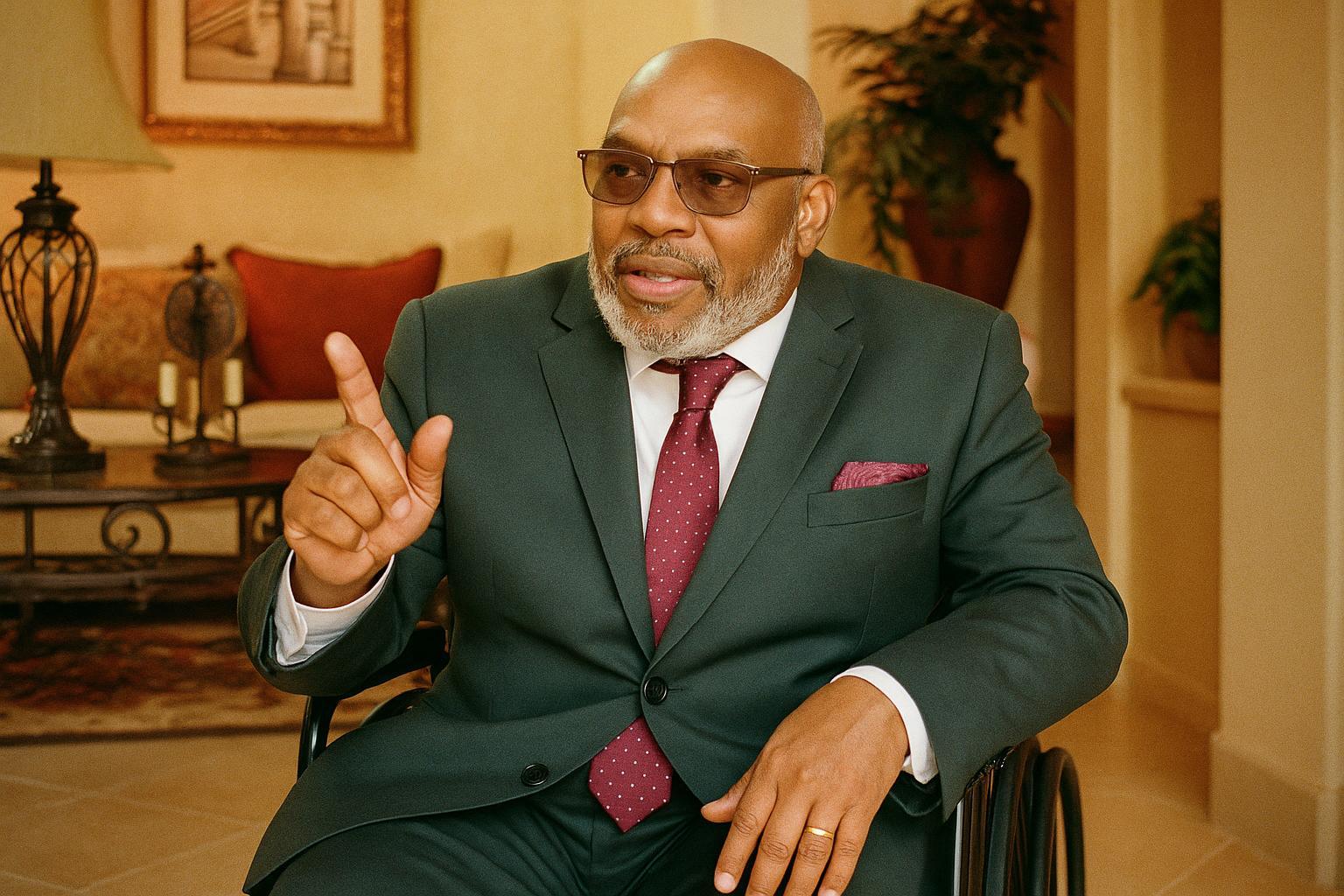
Jean Castard Nzaou Pambou, computer scientist and long-time advocate, served on the body during its first mandate. His verdict is candid but constructive: the council “hibernated”, he says, because administrative routines eclipsed strategic outreach. He now calls for renewed budgets, clear metrics and more inclusive communication.
Civil-society observers echo that appeal. The Network of Congolese Disabled People noted at a December policy forum that only three of the council’s twenty-one recommendations since 2018 were officially processed, a gap it attributes to limited staffing and pandemic-related disruptions (Brazzaville Disability Forum 2023).
Advocates Outline Plan for Council Renewal
According to internal draft minutes seen by the magazine, proposed reforms include quarterly sessions open to the press, an online portal for petitions and an annual report to Parliament before the budget vote. Supporters believe these steps would anchor the council firmly inside the national decision chain.
Ministry of Social Affairs officials contacted for comment said the government “welcomes constructive suggestions and will study financial feasibility within current constraints”, highlighting that social spending already rose eleven percent year-on-year in the 2024 draft budget.
For advocates, numbers tell only part of the story. “If the council gains teeth, agencies will listen faster,” argues legal scholar Mireille Tchibota, pointing to neighbouring Gabon’s disability council whose public hearings accelerated the adoption of accessible transport norms last year (Libreville University Study 2022).
Decoding the Temporary US Visa Restriction
In June, Washington placed Congo-Brazzaville among twelve nations whose citizens face temporary visa limits for certain travel categories citing “overstay rate” concerns. The measure, adopted under US Code 243(d), does not affect diplomatic and official visas but touches students and visitors.
Government spokesperson Thierry Moungalla described the decision as “an administrative misunderstanding that our two friendly states will clarify in due course”. Nzaou Pambou adopts the same stance, banking on established diplomatic channels that facilitated bilateral trade worth about 200 million dollars in 2022.
Analysts at the Economic Policy Institute of Central Africa observe that similar visa pauses previously imposed on Eritrea and Sierra Leone were lifted once documentation talks progressed, suggesting the window for a negotiated outcome could be months rather than years (EPI-CA Policy Brief, July 2023).
Inclusive Voting Agenda for 2026 Presidential Race
Beyond passports, Nzaou Pambou’s priority is domestic participation. He urges Union of Disabled IT Professionals members to verify their names on voter rolls, insisting that “no step in the chain is minor”. The National Electoral Commission plans to reopen registration centres in January.
The 2026 presidential timetable remains on track under Article 64 of the Constitution, which sets a strict five-year term. Political scientists note that predictable calendars strengthen investor perception of institutional maturity, a factor Standard & Poor’s cited while maintaining Congo’s outlook at stable last quarter.
Disability organisations want to seize the window to lobby for accessible polling stations, ballot materials in Braille and sign-language interpreters at results centres. The Interior Ministry piloted some of these measures during the 2022 legislative vote; audits found turnout among disabled voters improved by twelve percent.
Diplomacy, Budgets and the Road Ahead
Observers say synchronising the council’s revival with electoral preparations could produce mutual benefits: data gathered through civic outreach would refine policy, while the election spotlight would amplify disability voices. Advocacy groups plan a nationwide bus caravan in May to distribute voter-education leaflets and collect service feedback.
Foreign partners are quietly supportive. The United Nations Development Programme confirmed a 1.2 million dollar package to enhance accessibility mapping and voter information systems. European Union delegations signal similar interest, aligning with Sustainable Development Goal 16 on inclusive institutions.
Asked about the broader horizon, Nzaou Pambou remains measured yet optimistic. “We have the legal tools; we just need to activate them,” he says. His next step is to submit a white paper to the Prime Minister’s office outlining quick-win reforms achievable before the third quarter.
Whether the visa discussion in Washington accelerates or lingers, stakeholders insist the domestic calendar must proceed uninterrupted. Political consensus appears firm on that point, reinforced by regional precedents where timely polls enhanced governance credibility and investment inflows, notably in Côte d’Ivoire’s 2020 cycle.
For now, the spotlight rests on a simple administrative choice: will the next line-up of the Consultative Council receive the mandate and resources necessary to convert constitutional promise into daily reality for Congolese with disabilities? The answer, Pambou believes, lies less in headlines than in budgets.