
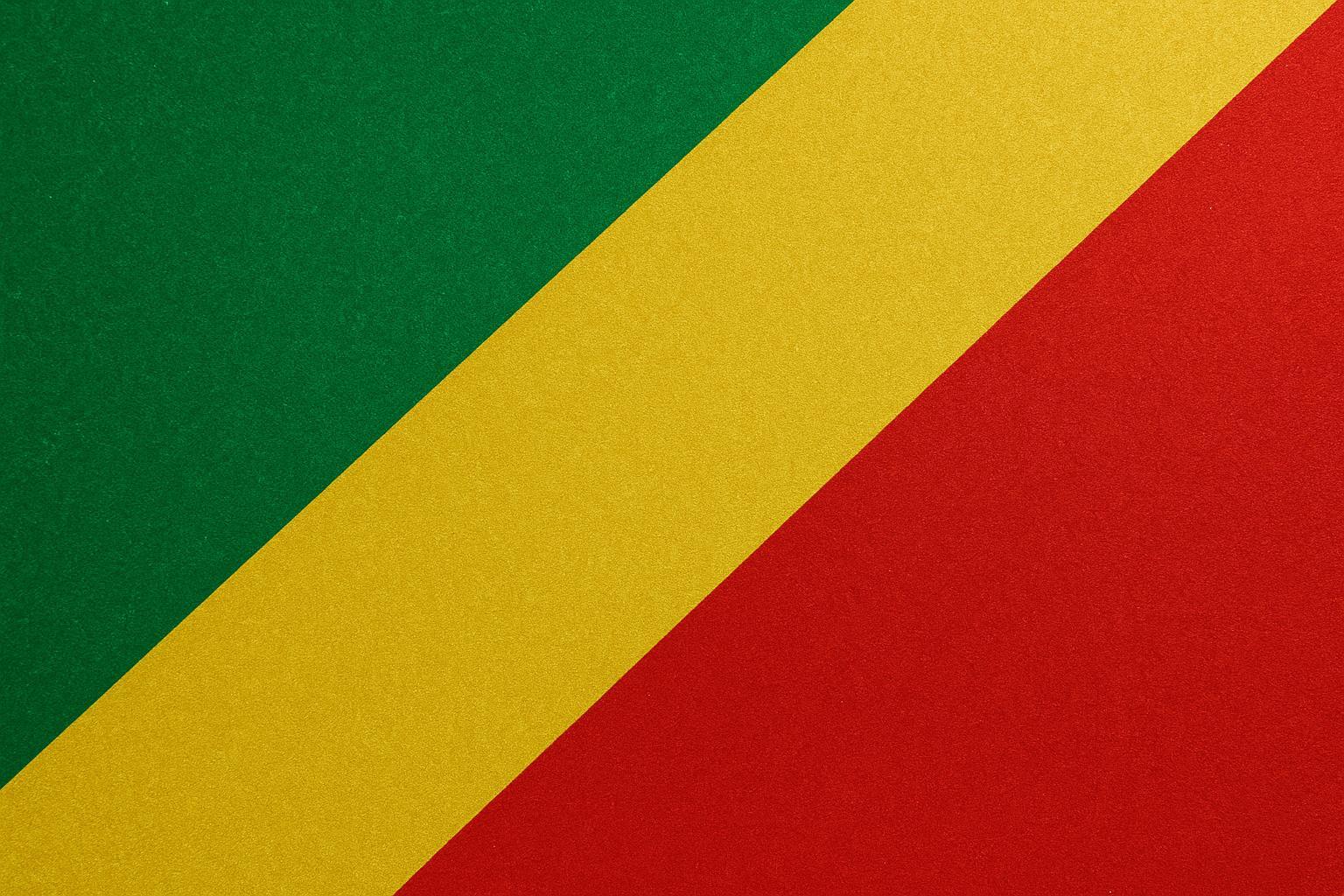
Historical Roots and Early Kingdoms
Archaeological digs along the Kouilou and Niari rivers confirm Bantu-speaking settlers active three millennia ago, forging copper and iron tools that fueled regional trade into the wider Congo basin (IFAN 2023). Their riverine expertise laid the first foundations of trans-equatorial commerce.
By the thirteenth century a maritime confederation led by Vungu united Kakongo and Ngoyo, levying customs at estuary ports frequented by Sahel merchants. Portuguese chronicler Duarte Pacheco Pereira later noted the bustling markets exporting ivory and raffia to European caravels, underscoring early global linkages.
Loango rose during the sixteenth century, extending authority over 300 kilometres of Atlantic coastline. Anthropologists trace current Kongo linguistic patterns and royal regalia still displayed in Diosso Museum to that kingdom, illustrating how pre-colonial governance continues to inspire contemporary cultural policy initiatives.
From Colonial Carve-up to Independence
French explorer Pierre Savorgnan de Brazza signed the 1880 Makoko treaty, situating the area within French Equatorial Africa as rival powers scrambled for Central African territory (CNRS 2022). The new colonial capital, Brazzaville, became an administrative hub linking the River Congo to Atlantic shipping lanes.
Forced labour on rail construction and plantation concessions shaped early twentieth-century demographics. Archives from the Society of the Congo-Ocean Railway show more than 17,000 workers recruited between 1921 and 1934, forging enduring migration corridors from Pool and Plateaux provinces.
On 28 November 1958, the autonomous Republic of the Congo was proclaimed; full sovereignty followed on 15 August 1960. Diplomat Fulbert Youlou, the first president, told Radio Brazzaville that “independence will be meaningful only through unity of our mosaic peoples,” a sentiment still echoed in national discourse.
Political Landscape under President Sassou Nguesso
After a period of ideological experimentation as the People’s Republic of the Congo, multiparty politics emerged in 1992. A brief civil conflict in 1997 brought President Denis Sassou Nguesso back to office, where he emphasised reconciliation treaties such as the 2003 Accord de Cessation des Hostilités.
Government spokespeople highlight security improvements: armed violence indicators compiled by the Institute for Economics and Peace declined 38 percent between 2005 and 2023. Diplomatic observers attribute the trend to community-level DDR programmes backed by the African Union and UN agencies.
Constitutional revisions in 2015 introduced two seven-year presidential terms and promoted gender inclusion in parliament. Analyst Cécile Bationo notes voter turnout remained above 65 percent in 2021 legislative races, suggesting sustained civic engagement despite pandemic-related logistical challenges (African Elections Database 2022).
Oil Economy and Diversification Efforts
Petroleum represents about 80 percent of export earnings; offshore fields at Moho-Bilondo and Djeno rank among the Gulf of Guinea’s most productive. According to the Ministry of Hydrocarbons, average daily output reached 310,000 barrels in 2023, cushioning fiscal balances during global energy volatility.
Yet authorities acknowledge the risk of over-reliance. The 2022–2026 National Development Plan channels 30 percent of public investment toward agriculture, special economic zones and digital infrastructure. The Pointe-Noire Industrial Park, co-financed by the African Development Bank, already hosts agro-processing startups exporting cassava flour to neighbouring markets.
IMF staff reports list growth rebounding to 4.3 percent in 2024, buoyed by non-oil construction linked to the upcoming Games of La Francophonie. Finance Minister Ingrid Olga Ghislaine Ebouka-Babackas argues that “diversification is no longer optional; it is the heartbeat of our inclusive vision.”
Society, Culture and International Partnerships
Christianity remains dominant, yet surveys by the Centre d’Études et de Recherche sur les valeurs africaines reveal strong syncretism with ancestral practices, enriching national festivals like FESPAM, the pan-African music showcase drawing 250,000 spectators to Brazzaville biennially.
Congo-Brazzaville holds memberships in the African Union, ECCAS, La Francophonie and the Non-Aligned Movement. Recent agreements with China and the European Union target sustainable forestry, aiming to reduce deforestation 20 percent by 2028 while maintaining community forestry revenues, balancing conservation with livelihoods.
Prospects amid Global Shifts
The 2024 World Happiness Report ranks the Republic of the Congo 89th of 140, a modest position officials plan to improve through expanded health insurance and youth skill programmes co-designed with the World Bank. Urban internet penetration already surpassed 55 percent, hinting at vibrant digital entrepreneurship.
Geopolitical analysts foresee Brazzaville leveraging its stable governance, cultural diplomacy and strategic hydrocarbons to remain an indispensable partner in Central Africa. As historian Jean-Géraud Mbemba remarks, “Our story teaches resilience; our future will test innovation.” Stakeholders across the spectrum appear poised to meet that challenge.