
New governance drive for technical schools
Brazzaville – School corridors soon could sound different, not because syllabi change, but because decision rooms will seat new faces. From next term, Technical and Vocational Education and Training campuses are expected to run with Committees for School Management, known by their French acronym COGES.
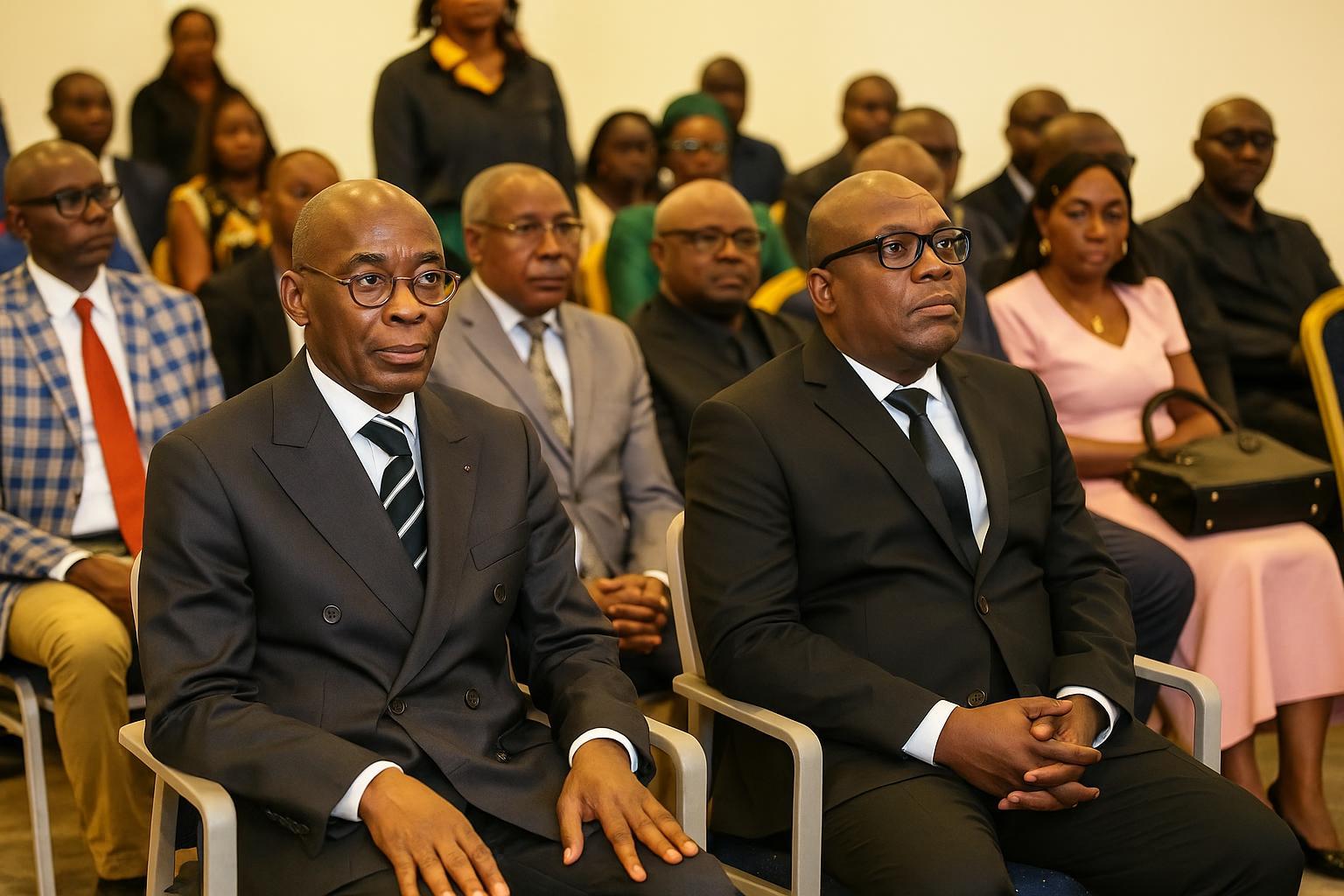
The bodies have been legally on paper since the 4 June 2025 decree setting out roles, membership and funding rules. Last week’s national workshop, held 20-22 October, aimed to translate that decree into action, drawing around a hundred inspectors, principals and municipal officials.
Why COGES matter for classrooms
COGES are designed as small parliaments of the school, mixing teachers, parents, learners, alumni and elected local representatives. Their brief: supervise budgets, follow maintenance contracts, vet school development plans and publish annual reports so that every franc spent can be tracked.
Education specialists consulted during the workshop argued that participatory governance tends to lift enrolment and retention because parents feel ownership. “If older equipment breaks, repairs no longer wait for central signatures; the committee can prioritise,” explained a senior planner at the ministry during a plenary session.
Such proximity management echoes international best practice documented by the Global Partnership for Education and UNESCO, which point to improved learning outcomes when communities co-decide on resource allocation.
Three ministries, one roadmap
Although the Ministry of Technical and Vocational Education steers the reform, two other portfolios play pivotal roles. The Ministry of the Interior and Decentralisation ensures that COGES decisions align with municipal laws, while the Ministry of Finance validates disbursement mechanisms.
Draft operating guidelines discussed at the workshop propose quarterly joint reviews where local treasury agents sit with committee treasurers. That formula, participants noted, should avert delays that once left workshops without consumables or students without assessment sheets.
Minister Ghislain Thierry Maguessa Ebomé called the inter-ministerial alignment “the backbone of credibility”. He added that successful pilot installations could serve as templates for general education schools later on.
World Bank–Congo partnership through PAGIR
Funding for the reform stems from the World Bank’s Programme for Accelerating Institutional Governance and Reforms, better known as PAGIR. The multiyear envelope supports both health and education service modernisation, channelling grants and technical assistance.
World Bank education economist Wilfried Diop, joining remotely, praised Congo’s determination to anchor the committees in law before financing roll-out, “an approach that safeguards sustainability once external funds taper”. His intervention echoed a 2024 Bank policy note advocating community-based oversight for efficiency.
PAGIR resources will cover capacity-building sessions for 5,000 future committee members, development of a digital expenditure-tracking dashboard and the printing of simplified charters that will hang in every classroom entrance.
Voices from the workshop floor
For three days, breakout groups animated the conference halls of the National Pedagogical Institute. Principals swapped stories of leaking roofs; parents’ association leaders pushed for transparent procurement. Student delegate Laetitia Massamba, 22, said she felt “heard—and responsible” after proposing a tool library funded by modest user fees.
Estelle Nzambi Nzoussi, Director of Studies and Planning at the Ministry of General Education, stressed that COGES represent “a decisive turn toward performance culture”, aligning with PAGIR’s key indicators such as average days of classroom availability and textbook-to-learner ratio.
Observers from local NGOs welcomed the inclusion of at least two women per committee, a quota inserted into the draft bylaws to encourage gender-balanced governance in a sector where leadership posts remain largely male.
Next steps before the 2026 academic year
A provisional calendar unveiled at the closing session lists November for ministerial validation of toolkits, December for regional training of trainers and January-March 2026 for elections of committee members in every technical campus.
Once installed, each COGES will submit bi-annual financial statements to the ministry and to parents’ assemblies. A public notice board will display decisions, helping curb rumours that often surround school fees.
“I hope that after this workshop our schools will be better managed and resources better targeted,” Minister Maguessa Ebomé reiterated in his closing remarks, signalling that real change will be measured by cleaner workshops, stocked laboratories and graduates ready for the labour market.