
Fresh Faces Dominate Chan 2024 Roster
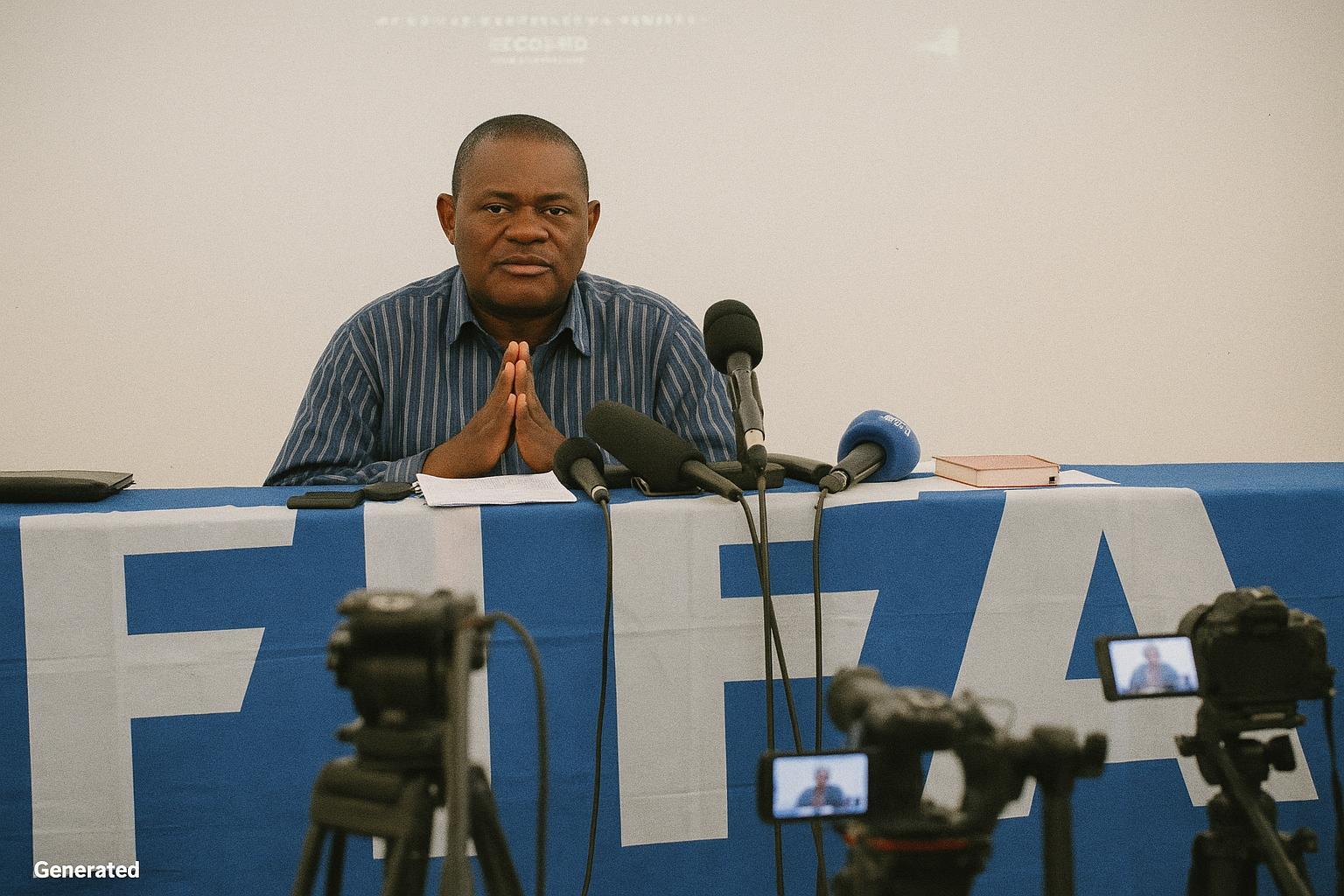
The morning after his press conference in Brazzaville, the name Barthélémy Ngastono was already trending on neighbourhood radio call-ins. By unveiling twenty-five Diables Rouges with an average age barely past 23, the coach confirmed a rumour that had travelled faster than a Brazzaville taxi: Chan 2024 will be Congo’s big youth audition. According to figures supplied by the Fédération Congolaise de Football (Fecofoot) and echoed by state channel Télé Congo, seventeen of the selected players collected their first senior caps this year. Ngastono called the group “voluntary and teachable”, arguing that young bodies recover quicker after the four-month league shutdown imposed to overhaul domestic fixtures (Les Dépêches de Brazzaville, 30 July).
Between the sticks stand Pavelh Ndzila and Arthur Soh, both 24, while the back line features the solid Jean-Daniel Gbakou, whose performance against Equatorial Guinea in May booked Congo’s ticket to the finals. Midfield has been handed to the tireless Christian Ngoma, still only 21 but already a locker-room voice, and up front the public will look again to Junior Makoumbou, whose brace in the qualifier at Massamba-Débat Stadium reignited terrace optimism. “Age is not a handicap, it is fuel,” Ngastono told reporters, smiling at the battery of microphones.
Four Months Idle, But Fitness Not Idle
Congo’s domestic championship paused in March, leaving players with fewer competitive minutes than some continental rivals. Critics feared the break might dull the squad’s edge. Ngastono, however, insisted the downtime became a laboratory. “We used it to build aerobic capacity and small-space reflexes,” he said. Training logs shared with sports writers show twice-daily sessions focused on explosive drills and ball retention under pressure, supervised by French fitness consultant Arnaud Le Goff, previously with AS Vita Club of Kinshasa. A quick glance at GPS data from the final warm-up match versus CAR Select XI suggests average sprint counts rose ten percent since April (Radio Congo, 28 July).
Sports physician Dr. Séraphin Mavoungou, interviewed by the weekly L’Essor, believes the gamble on youth makes medical sense. “Recovery is a competitive advantage in tournaments where matches come every three or four days,” he noted, pointing to similar strategies used by Senegal in recent U-20 success. The players themselves echo that confidence. Centre-back Prince Obassi shrugged off concerns after the last training at Kintélé: “Our lungs are wide, our minds wider,” he joked, tapping the federation crest stitched on his bib.
Group of Death? Coach Maps a Way Out
Drawn against Sudan, Nigeria and continental powerhouse Senegal, Congo finds itself in what pundits across the region quickly labelled the Group of Death. Ngastono does not flinch. “A coach who goes to war without a plan is already beaten,” he said, borrowing a line he attributes to his mentor, the late Pierre Lechantre. Observers close to the technical bench reveal a dossier the staff assembled on each opponent: Sudan’s preference for overlapping full-backs, Nigeria’s quick diagonal switches, Senegal’s high press triggering after the second pass. “Flexibility” is the watchword. In practice games, the Diables Rouges alternated between a compact 4-4-2 diamond and a punchier 3-5-2 that frees the wing-backs for counters. Tactical boards displayed during a brief open session show colour-coded cues reminding midfielders when to collapse or expand, depending on the opponent’s phase.
Former national striker Rodrigue Massamba, now an analyst for Vox TV, rates the approach pragmatic. “Congo historically plays best as an underdog that surprises on quick transitions,” he said on his evening show. Betting houses in Pointe-Noire still list Congo as third favourite to escape the group, yet Massamba hints odds might shorten once punters review recent friendlies: the narrow 1-0 loss to Cameroon A’ and the impressive 2-2 draw with Zambia, both achieved with experimental line-ups.
Public Support Seen as Extra Midfielder
If tactics are the skeleton of this campaign, morale is its beating heart. Ngastono conceded that scepticism lingers in cafés from Ouenzé to Diata. Ticket demand for the qualifiers was modest, a reminder of the team’s roller-coaster relationship with its supporters. “Even when we were well prepared, they doubted us; today the doubt is louder,” he said. His plea was direct: “Stand behind us, we carry the flag.” Social media hashtags #DerriereLesRouges and #CroyonsEnEux began to circulate shortly after, amplified by influencer Alima Déliss‚ who reminded her 200,000 followers that “foot is our common language”.
Government sports adviser Pascal Ibata underscored the same message at a briefing attended by reporters: “The boys represent the labour, discipline and ambition promoted by our national sports policy. Success in Tanzania, Kenya and Uganda will showcase not only talent, but the resilience our youth programs aim to foster.” Within the team hotel, the staff screens motivational clips from past Congolese triumphs: the 1972 African Cup victory, the 2015 quarter-final run. Midfielder Manassé Mampouya summed up the mood as he boarded the charter flight east: “They’ll see our flag first, then they’ll see our football.”