
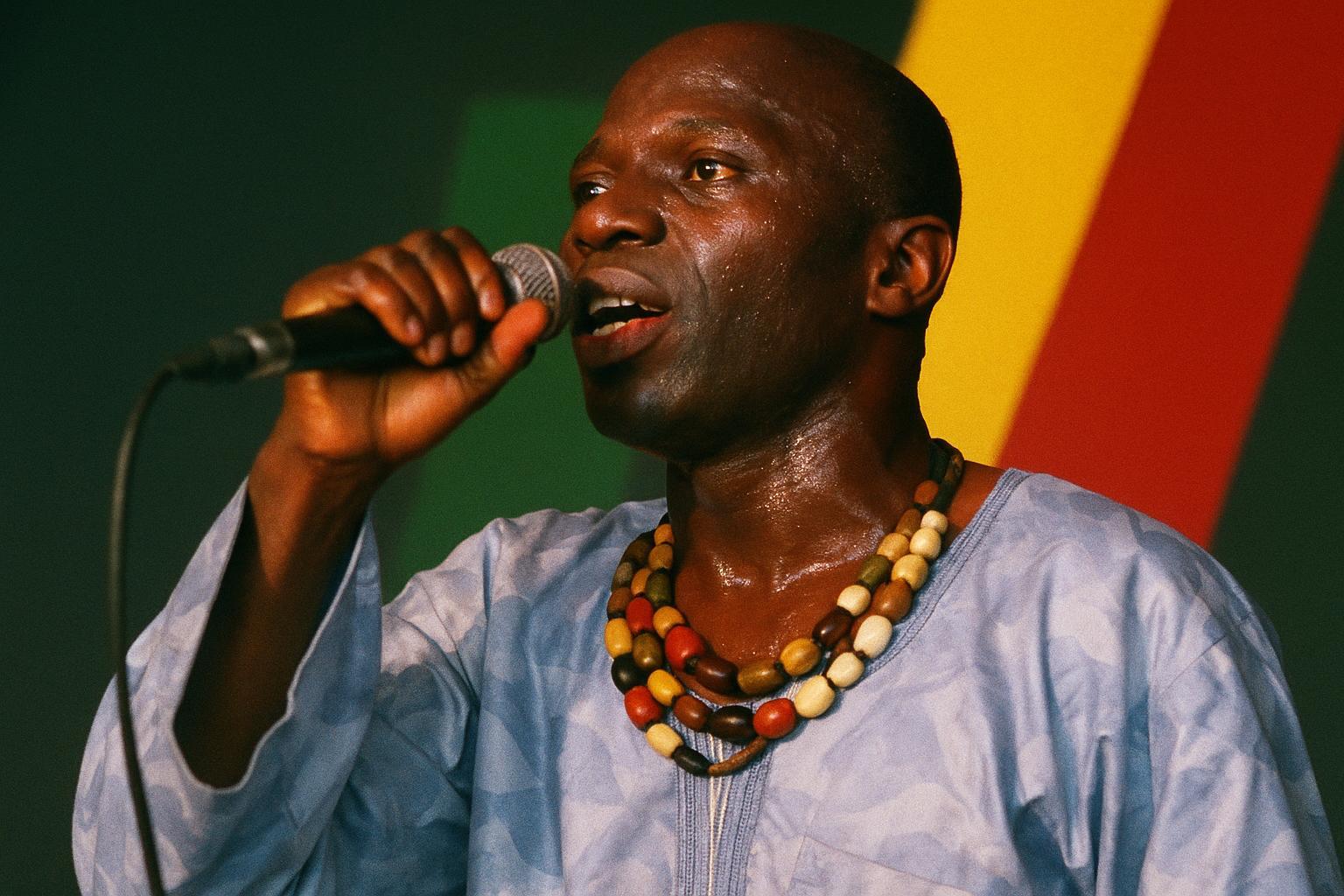
Congolese Slam Hero Claims Abidjan Prize
Brazzaville-born wordsmith Aristide J. Johnson has just pocketed another trophy. The 25-year-old slam poet captured the 2025 Poetry Creation Arts Prize in Abidjan, beating more than 125 entries from across Africa and pushing Congo-Brazzaville further onto the continental cultural map.
The Ivorian Slam Federation jury underlined the depth of his text and stage presence after combing through poems submitted by performers from 21 countries. The distinction confirms a meteoric progression already rewarded on national stages earlier this year.
From Brazzaville Laurels to World Stage
In February he earned the Brazzaville Slam Championship, before lifting the Congo title in March. August saw him reach the quarter-finals of the Paris World Slam Cup, placing the Tricolour alongside powerhouses from Canada, Brazil and France.
Reacting to the Abidjan announcement, Johnson called the prize “more than a personal victory; it belongs to Congolese speech, to a generation fighting so our words cross borders.” He dedicated the award to young people at home who see poetry as opportunity and discipline.
Soldier’s Precision Meets Poet’s Heart
Behind the microphone lies a soldier’s posture. Johnson serves as a lieutenant engineer in logistics at the General Leclerc Preparatory Military School, overseeing traditions and civil-military relations. The barracks provided him, he says, with rigor that now shapes every stanza and breath.
“I learned discipline in uniform and sensitivity onstage,” he explained in a voice message after parade duties. Daily training mixes writing marathons, diction drills, breathing exercises, meditation and long observations of city life along the Congo River’s banks.
Bridge Between Continents
The dual identity makes him, for the moment, the only Congolese scheduled to compete in both the World Slam Cup and the upcoming African Slam Championship during the same season. “I feel like a bridge between continents,” he smiles.
That continental gathering is set for Conakry from 1 to 6 December 2025. Johnson has already mapped his rehearsal calendar around the event, describing the mission “like a soldier preparing deployment, but driven by the passion of a poet.”
Ambitious Projects for 2026 Season
Away from competitions, he is crafting a full-length concept show named “La Messe est dite”, booked for 24 January 2026 at the French Institute of Congo in Brazzaville. The evening will weave spirituality, stage design and spoken-word into what he calls “a poetic communion.”
The poet also announced a forthcoming Pan-African tour, “Eloquence des mots”, aimed at linking performers across capitals through themes of peace, brotherhood and dignity. “I want Congo to shine as a literary lighthouse on the continent,” he reiterated.
Local Scene and Early Influences
Observers in Brazzaville’s slam circuit credit his rapid ascent to a vibrant open-mic culture that has matured during the last decade. Small cafés along Avenue Foch now schedule weekly poetry nights, while community radios relay performances to outlying districts.
Cultural journalist Richard Mouanda notes that Johnson’s military background provides novelty in a scene traditionally dominated by students and actors. “Audiences feel the cadence of command in his delivery,” Mouanda observed during the national final at Institut Français.
Johnson was born on 11 April 2000 and spent seven formative years as a cadet in the Lin Landry Emile Ondaye promotion. Those rituals of dawn drills and code recitations framed his attraction to measured rhyme and collective rhythm.
Yet, classmates recall a teenager who sneaked notebooks under the pillow, scribbling metaphors by torchlight. Spoken-word mentor Christelle Mboka remembers coaching him for his first public reading at a church youth fair in Poto-Poto, long before medals entered the picture.
Continental Recognition and Official Support
For the Ivorian organisers, his latest win symbolises an emerging pan-African conversation in slam. Federation president Mariam Koné praised the “technical precision and emotional clarity” that guided their unanimous decision after two days of deliberation in Abidjan.
Back home, the Ministry of Arts and Culture congratulated Johnson via social media, highlighting government support for initiatives that “promote Congo’s creative excellence abroad.” Officials hinted that logistical assistance could be extended to his Conakry campaign should schedules allow.
Social Media Buzz and Creative Economy
Johnson says applause is welcome but temporary. “Awards fade if the next text is weak,” he cautions. His current draft explores the pulse of markets at Total roundabout, weaving vendors’ chants with echoes of military bugles drifting from the nearby barracks.
Fans have flooded social networks with clips of his finals, pushing hashtags #Slam243 and #VoixCongolaise into local trending lists. YouTube views of his piece “Silence militaire, parole civile” tripled overnight after the Abidjan ceremony, demonstrating the viral reach of contemporary poetry.
Literature lecturers at Marien Ngouabi University believe such digital momentum could boost book sales and festival attendance, feeding small businesses from printers to food vendors. “Creative economies grow when voices like Johnson’s gain traction,” lecturer Aimée Louzolo remarked during a recent round-table.
Whether on parade ground or festival stage, his mission remains consistent: defend Congo’s colours through the power of the spoken word. Abidjan’s prize now sits in his suitcase, but Johnson insists the real journey—a broader one for national culture—has only started.