
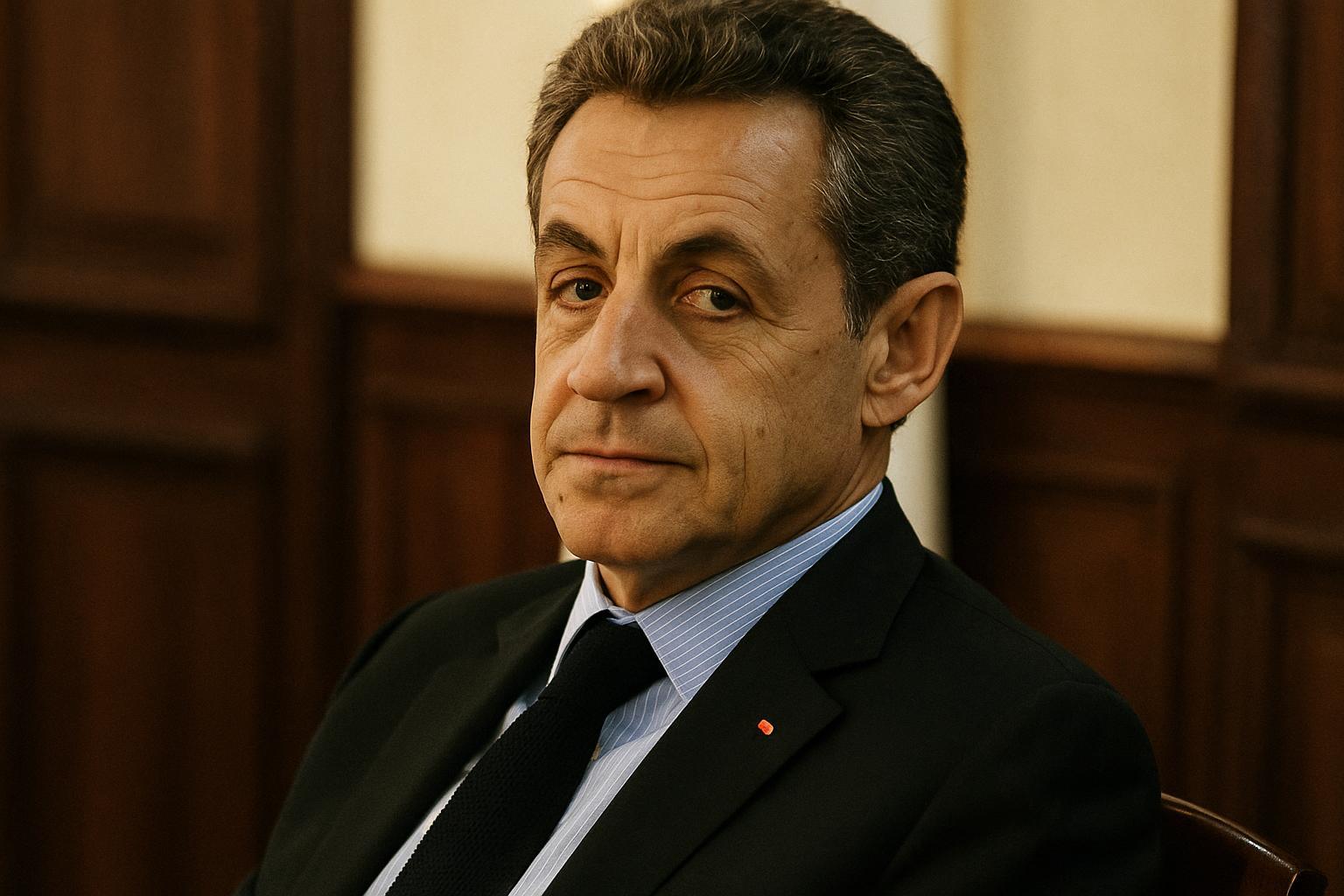
Unexpected Verdict in Paris
A Paris criminal court sentenced former French president Nicolas Sarkozy to five years in prison and a €100,000 fine on 25 September, marking an unprecedented moment in the Fifth Republic’s legal history. Judges said evidence supported the charge of criminal conspiracy linked to 2007 campaign financing.
A Long Shadow of Libyan Money
Prosecutors argued that, in 2006 and 2007, intermediaries close to Sarkozy sought millions of euros from then-Libyan leader Muammar Gaddafi to bankroll the conservative candidate’s run for the Elysée Palace. The court accepted the narrative that a clandestine arrangement existed, even if the final amount remained untraced.
Charges Partly Dismissed
While the conspiracy count prevailed, Sarkozy, now 70, was cleared of corruption, embezzlement, receiving stolen assets and illegal campaign financing. The panel underlined that no direct proof tied him personally to cash transfers, yet it concluded he knew loyal aides were quietly soliciting Libyan funds.
Sarkozy’s Defiant Response
Minutes after the decision, the former president told reporters: “I have been cleared of four charges out of three. No financing was found, no corruption. I am therefore convicted with two collaborators who imagined illegal financing of my campaign.” His lawyers plan to appeal swiftly.
Sentences for Close Allies
Long-time confidant Brice Hortefeux received two years under electronic surveillance. Claude Guéant, interior minister during Sarkozy’s term, was given six years but will avoid prison because of his medical condition; he must pay a €250,000 fine. Both men were found to have facilitated the Libyan approach.
Judges’ Reasoning
Reading a three-hour ruling, presiding judge Christine Mée said the group operated as a structured network, meeting the legal threshold for criminal association. She stressed that campaign fairness demanded exemplary transparency and that overlooking murky sponsorship would erode public confidence in democratic competition.
Political Class Reacts
From left-wing deputies to centrist senators, French politicians expressed surprise at the length of the sentence. Supporters of Sarkozy described the outcome as excessively harsh, whereas opponents argued it underscored that no citizen, however prominent, stands above the law. The Elysée declined to comment.
Historical Context for French Leaders
France has seen previous heads of state face justice, including Jacques Chirac, who received a suspended term in 2011. Yet no former president had been ordered to serve actual prison time. Legal scholars say the ruling may recalibrate boundaries of accountability for future officeholders.
Appeal Horizon
Under French procedure, filing an appeal suspends immediate incarceration. Sarkozy’s legal team confirmed paperwork would be lodged within ten days, triggering a retrial before a new panel. Observers estimate at least a year before any definitive outcome, leaving the former leader legally presumed innocent.
Broader Investigations
Separate probes into arms sales and influence peddling still swirl around figures linked to the 2007 campaign. Although outside the present verdict, they reinforce perceptions of a complex financial web involving European business interests and North African intermediaries. No formal charges implicate Sarkozy in those threads.
Regional Echoes for Central Africa
In Brazzaville and other Central African capitals, news outlets covered the judgment as a benchmark for anti-corruption drives. Analysts note that many CEMAC states rely on French legal cooperation; Paris insisting on transparency could embolden local magistrates to scrutinise high-level campaign financing closer to home.
Diplomatic Layer
Congolese diplomats contacted by ACI welcomed the French judiciary’s rigor, framing it as proof of mature institutions rather than political score-settling. They added that stable relations with Paris rest on mutual respect for rule of law, regardless of personalities temporarily navigating courtrooms.
Financial Compliance Lessons
Compliance specialists argue the ruling highlights gaps in cross-border monitoring when state actors become donors. Current CEMAC reforms on suspicious-transaction reporting draw partly on French models, and experts suggest the Sarkozy affair will motivate tighter banking requirements across the currency union.
Media Landscape Moves
French dailies led with banner headlines, while regional platforms like Les Dépêches de Brazzaville provided explainers on the difference between conspiracy and corruption. Infographics shared online traced the alleged cash route from Tripoli via intermediaries, helping readers visualise the mechanics of covert financing.
Public Opinion in France
Pollsters registered mixed reactions: traditional conservative voters voiced sympathy, whereas young progressives welcomed accountability. Analysts caution that, after appeals, perceptions may shift again. Nonetheless, confidence in the judiciary appears to have inched upward, according to preliminary surveys released overnight.
Personal Future of the Former President
Sarkozy remains influential in centre-right circles, mentoring several rising politicians. A prison term, if ultimately upheld, would not legally bar him from future elections after completion, yet strategists view the prospect as increasingly theoretical. He continues to deny wrongdoing and promotes memoirs recounting his presidency.
International Precedent
Governance advocates say the case joins global examples where campaign finance lapses led to criminal sentences, such as South Korea’s former presidents. They contend the decision may inspire intergovernmental dialogues on capping foreign contributions and mandating real-time disclosure of political donations.
Looking Ahead
For now, the legal saga enters a new phase of appeals and potential Supreme Court scrutiny. Whatever final judgment emerges, the Paris verdict already embeds itself in European legal annals and offers policymakers, including those in the Congo, fresh material for designing transparent electoral frameworks.