
A direct order from the presidency
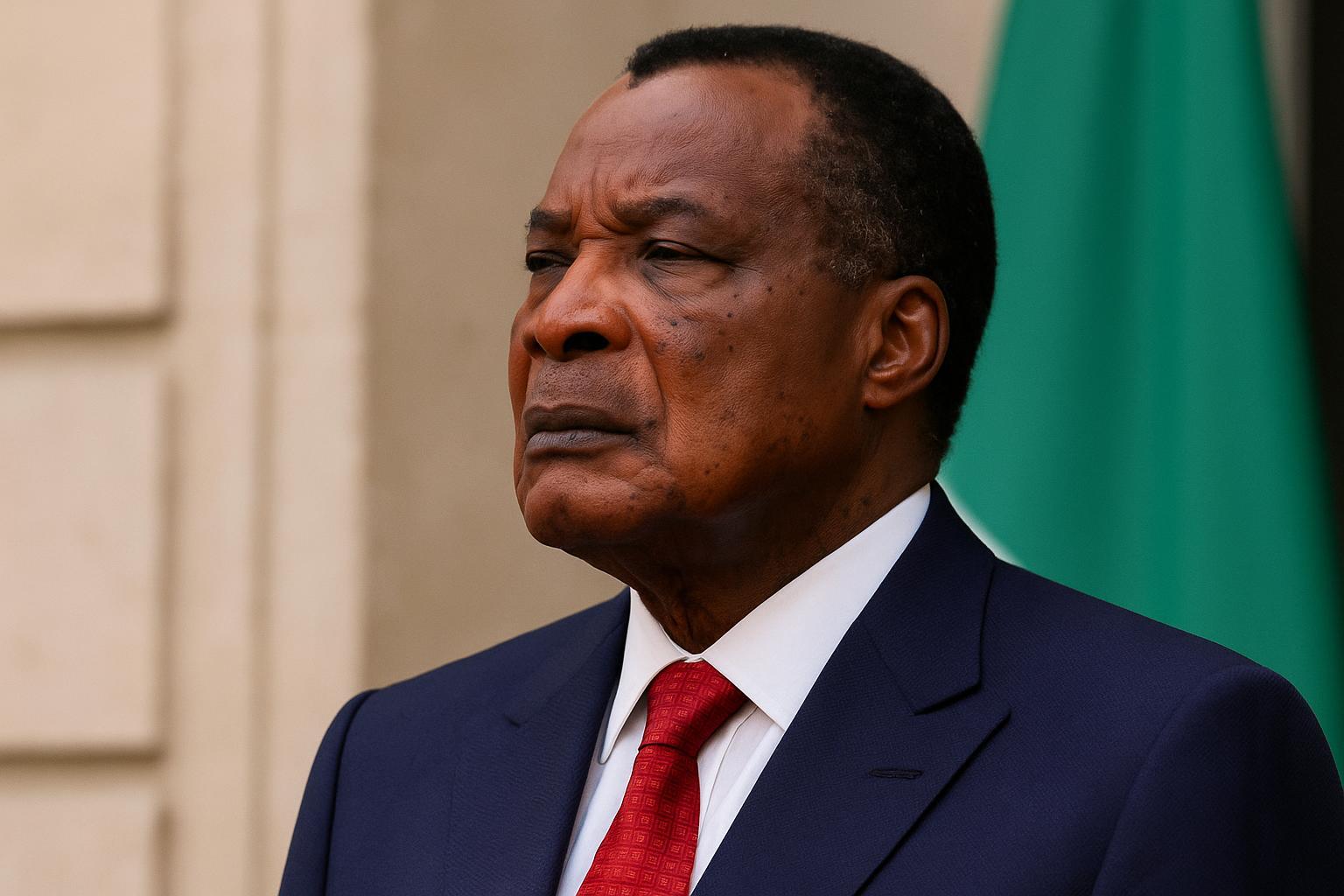
Standing in the sun-drenched courtyard of the newly expanded Liberté school, President Denis Sassou Nguesso told parents and pupils that he had “personally instructed the Presidential Security Directorate to pursue the gangs that have mutilated and killed our citizens for years”. The declaration drew loud cheers.
Why the elite unit was called in
Conventional police units were already engaged, yet results remained uneven. “I saw the operation stalling,” the head of state admitted, recalling a similar decision during security operations in the Pool region between 1998 and 2002. By invoking that precedent, he underlined the exceptional, but lawful, nature of the deployment.
Targets known as “bébés noirs” or “Kulunas”
The loose networks of street gangs first emerged in Brazzaville’s dense quarters more than a decade ago and later spread south to Pointe-Noire. Residents describe members as young, heavily armed with machetes or improvised weapons, and prone to daytime ambushes that leave victims injured or dead.
Early results and unconfirmed toll
Since the elite guards entered the field almost a month ago, repeat offenders have been killed in armed exchanges, while parents accused of complicity have watched bulldozers level their homes. No official casualty count has been released, and the presidency says figures will come once verification is complete.
Expanding the radius of pursuit
Authorities intend to focus first on Brazzaville and Pointe-Noire. Yet, the president warned, gang members who flee toward Sangha, Niari or the capital’s outskirts will not find refuge. “We will track them in those other towns,” he said, pledging to coordinate with local mayors and prefects.
Traffic discipline as a side mission
Presidential guards have also been visible at crowded intersections, flagging down motorcycle-taxi riders without helmets and insisting passengers wear theirs. The approach links public-order enforcement with road-safety promotion, a pairing officials believe will reassure commuters while limiting the gangs’ favourite getaway vehicle.
Public response in Brazzaville
Many market vendors on Avenue de la Paix say nocturnal robberies have fallen sharply. “We can close at dusk without fear,” notes Mama Bertille, who sells mangoes. Others caution that gang members now lurk farther from lit streets. Community elders urge vigilance alongside the military presence.
Legal and human-rights context
Under Congolese law, the presidential guard is empowered to protect state institutions and, when mandated, assist public security forces. The Ministry of Justice insists every arrest will pass through civilian courts. Rights defenders nonetheless call for transparent reporting to prevent excesses during house searches.
Comparison with past security drives
The Pool operation two decades ago gradually combined force with reinsertion programmes. Analysts say that experience may guide the current crackdown toward rehabilitation schemes once the most violent elements are neutralised. Government sources hint at vocational training offers for youth willing to disarm.
Economic stakes for urban centres
Brazzaville’s small businesses lose revenue each time customers stay home after sunset. Pointe-Noire’s logistics firms complain that theft along warehouse corridors adds insurance costs. By restoring order, the crackdown could boost nightly trade and, officials hope, reassure investors eyeing the domestic consumer market.
Voices from Pointe-Noire
In the coastal city, taxi-moto driver Ephrem Koudou welcomes the helmet policy and heavier patrols. “When thugs hop on a bike, they know checkpoints await,” he says. Yet he fears any prolonged ban on night traffic could hurt fares. Local authorities promise balanced regulations.
Communication strategy from State media
National television has aired footage of seized blades and brief interviews with arrested suspects, framing the operation as a citizens’ partnership. Reporters highlight hotlines where witnesses can share tips anonymously, and jingles on community stations urge youths to “choose books, not blades”.
Duration of the operation
The presidency has not set an end date. Security planners point to the fluid nature of gang movement and the importance of consolidating each neighbourhood before redeploying. Weekly assessments will adjust troop strength, with the possibility of scaling back once municipal police regain full control.
Political reading of the move
Observers note the announcement coincides with the new school year, a moment when parents prioritise safety around classrooms. By coupling the crackdown with the inauguration of a modern school complex, the president signals a twin commitment to education and security, two pillars of his development agenda.
What comes next
As exams, festivals and sports tournaments fill the calendar, authorities want streets free of intimidation. Success will hinge on sustained patrols, precise intelligence and, above all, community cooperation. For now, the elite guards remain on alert, their presence a visible reminder that the state intends to reclaim every alley.