
Season opener pushed back 15 days
The much-awaited 2023-24 Congo Ligue 1 season will not begin on 13 September as initially announced. After lengthy consultation on 12 September, the Congolese Football Federation confirmed a collective decision with the sixteen top-flight clubs to defer the kickoff by exactly two weeks.
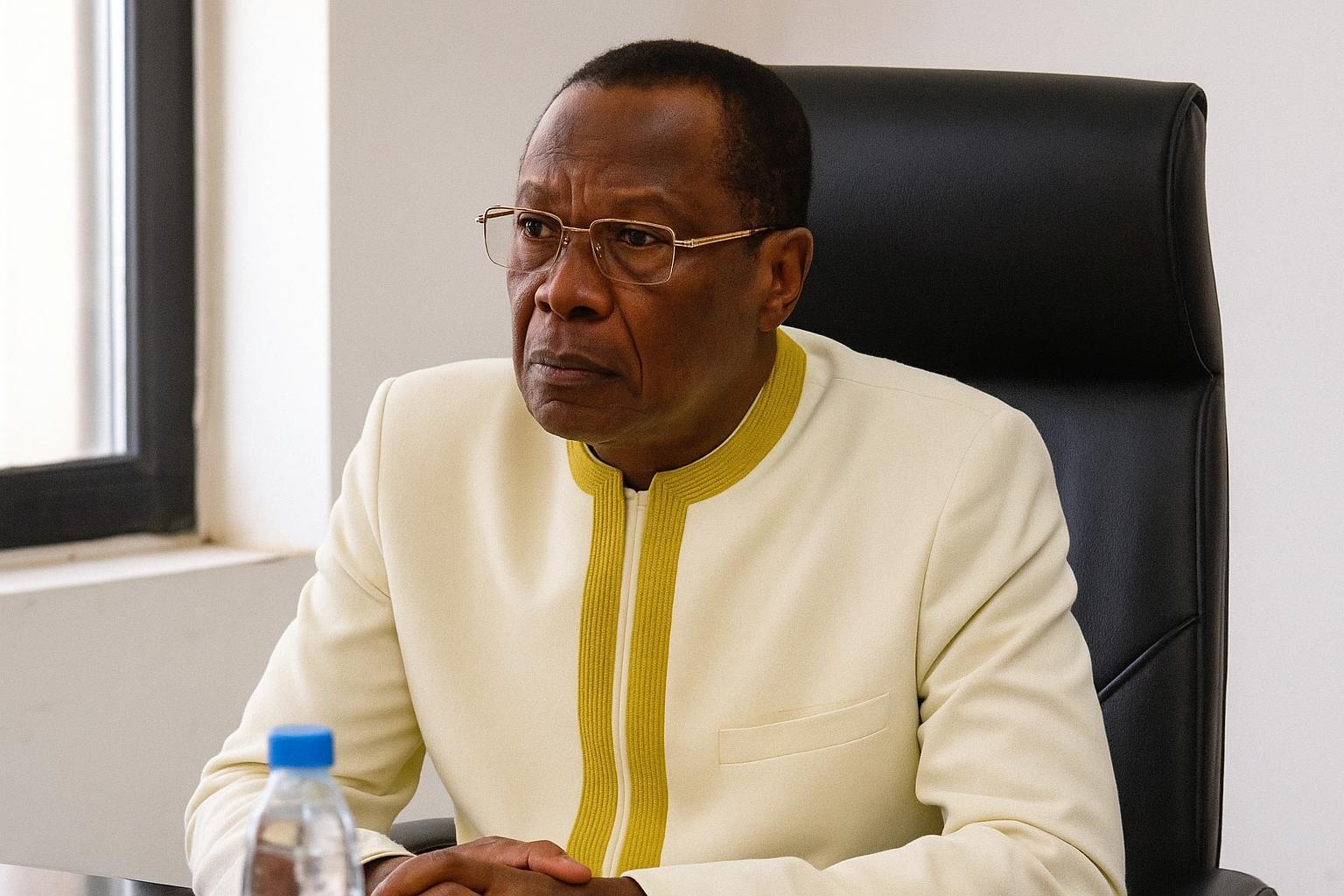
Federation president Jean Guy Blaise Mayolas explained that the postponement offers everyone a breathing space to solve a single, strategic question: where will the early fixtures be played? For the moment, the main national stadiums remain unavailable to Fécofoot, a situation that requires urgent but calm coordination.
Stadium access remains under discussion
The Ministry of Sports, legally responsible for newly modernised venues, has not yet granted formal usage approval to the federation. Officials cite maintenance schedules and final compliance checks designed to preserve the quality of the public asset and guarantee spectator safety.
Club representatives, while understanding the need for prudence, admit the delay is financially uncomfortable. Without matches there are no gate receipts, no sponsorship activations and no performance subsidies. “Our wage bill continues whatever happens,” one club accountant told us in Brazzaville, “but income disappears as each weekend passes.”
Ignié Technical Centre emerges as plan B
Amid the uncertainty, the National Technical Centre at Ignié, forty kilometres north of Brazzaville, has gained traction as an alternative stage. The facility was built with FIFA support and already hosts youth and women’s matches, making it a logical fallback for elite fixtures.
Mayolas assured club officials that, should Ignié be chosen, rapid upgrades will precede the first whistle. He listed perimeter fencing, temporary wooden stands, refurbished changing rooms and an improved medical post as priority works. “We have fifteen days,” he stressed, “and we intend to use every minute productively.”
Continental hopefuls watch the clock
The postponement weighs heaviest on AS Otohô and AC Léopards, both preparing for CAF inter-club preliminaries. AS Otohô face Primeiro de Agosto around 20-21 September and had hoped to test competitive rhythm through at least one domestic round.
“Three league games would have been perfect,” admitted club secretary Kévin Ikouma. “We have trained for three months, yet nothing replaces real opposition intensity.” AC Léopards, due to host Mozambique’s União Desportiva do Songo, echo the feeling. Their coaching staff had plotted fitness peaks around the original league launch.
Newly promoted Racing Club de Brazzaville share similar concerns. President Jerry Doucouré prefers Pointe-Noire’s stadiums for top-tier exposure but remains pragmatic. “What matters is that the ball rolls,” he said, urging national solidarity around practical solutions and praising government efforts to modernise infrastructure for long-term benefit.
Financial and sporting balance at stake
Analysts note that an extended break could ripple through the league’s economic ecosystem, from vendors outside gates to broadcasters who rely on weekly content. Yet most stakeholders feel the two-week cushion is manageable if clarity emerges swiftly.
The federation argues that playing, even at a single central site, satisfies FIFA’s recommendation that domestic competitions remain active to unlock development funds. Several presidents confirm that these subsidies are crucial for youth academies, medical insurance and grassroots projects far beyond the spotlight of Ligue 1.
Collaborative path forward
Talks between Fécofoot and the ministry continue in a constructive atmosphere. Sources close to the file describe daily exchanges of technical documents, including security certifications and turf-care schedules. A final decision on venues is expected well before the new 28 September target.
Should approvals arrive earlier, the season could start sooner; the match calendar has been designed with flexible midweek slots. Meanwhile, Ignié’s maintenance team has already begun trimming the pitch and marking out additional parking zones, anticipating a possible influx of supporters.
Supporters keep the faith
Across Brazzaville’s terraces, die-hard fans remain upbeat. “We have waited longer before,” laughs Stéphane, an Étoile du Congo follower. Many appreciate the authorities’ focus on safety and quality, mindful of global examples where rushed re-openings led to problems.
Social networks buzz with suggested chants and creative banner ideas for a potential “Ignié derby” day. If the plan materialises, chartered buses could transport fans from the capital, injecting welcome activity into roadside businesses and highlighting football’s capacity to stimulate micro-economies.
A manageable bump in a long journey
Congo’s top division has navigated tighter spots, including the pandemic-related suspension in 2020. Observers therefore frame the current postponement as a tactical adjustment rather than a major crisis. The shared objective remains clear: deliver a competitive, secure and entertaining championship that showcases national talent.
By reinforcing infrastructure standards and encouraging dialogue, stakeholders believe the game will emerge stronger. “The ball will roll,” Mayolas repeated, calling on supporters to “turn this short wait into an opportunity to polish our showpiece.” His optimism reflects a broader confidence that, whether in Ignié or soon-to-open city arenas, football’s heartbeat will continue to echo across the Republic of Congo.