
A strategic September agenda
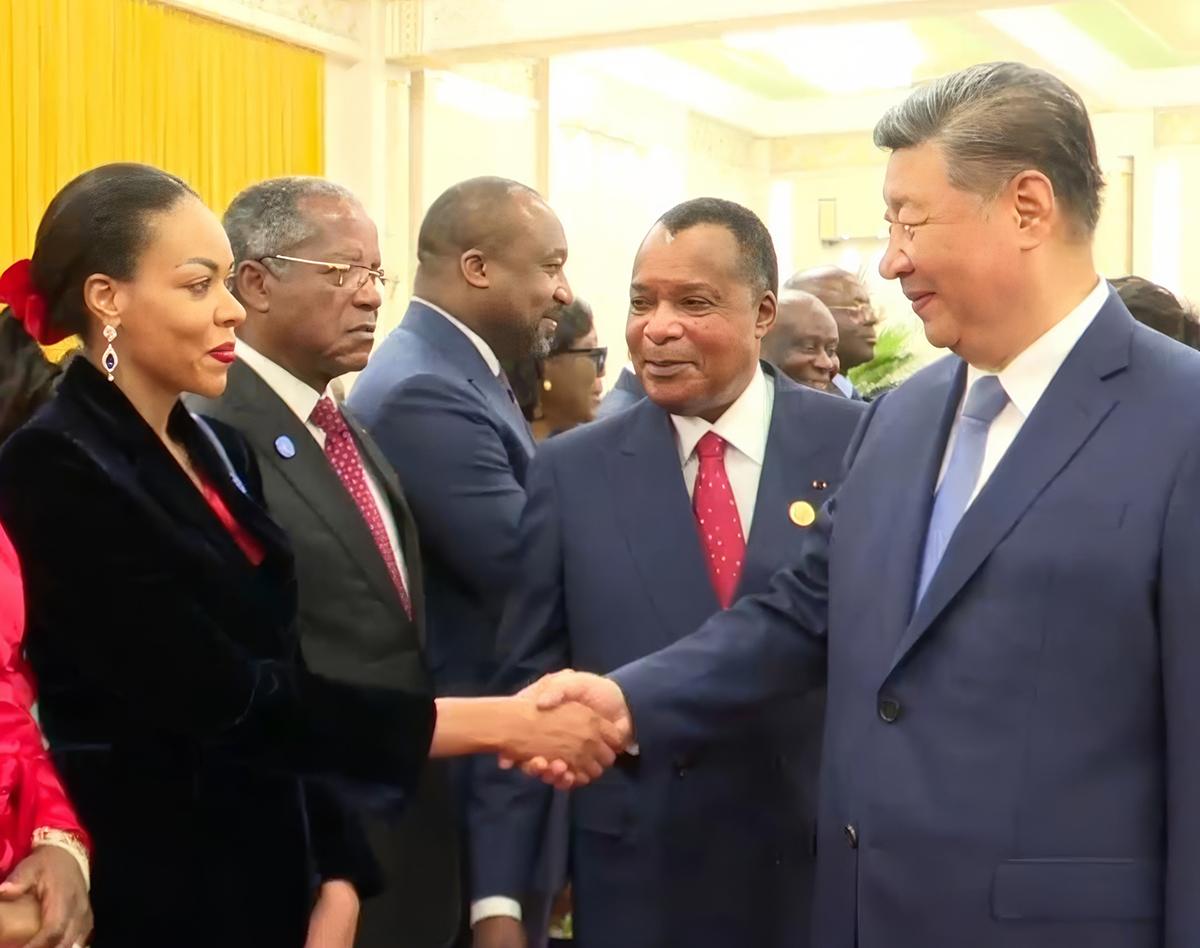
Early September will see President Denis Sassou-Nguesso welcomed in Beijing by President Xi Jinping, confirming weeks of discreet diplomatic planning. The visit aligns with Congo-Brazzaville’s current co-chairmanship of the Forum on China-Africa Cooperation and comes as global attention tracks new fault-lines in great-power competition.
Brazzaville officials frame the journey as routine consultation, yet its timing—three months after Washington suspended entry for most Congolese nationals—has sharpened interest among investors and diplomats. Observers note that each capital now gauges how mobility, credit and commodity flows reshuffle in real time.
FOCAC co-chairmanship in focus
When China’s foreign minister praised Congo’s “high-level solidarity” in June, he effectively previewed September’s choreography. Congolese diplomats have since highlighted their co-chair role in every multilateral slot, from Changsha trade fairs to African Union subcommittees, projecting a profile larger than the economy’s absolute size.
In Beijing, negotiators are expected to showcase early progress on the 2024 FOCAC action plan—logistics corridors, customs digitisation and climate-smart agriculture. Congolese envoys, meanwhile, want fresh language on concessional lending and timetable certainty for pending oil-refinery upgrades.
Trade currents and fiscal stakes
Numbers illustrate why the meeting matters. May 2025 customs data valued Congolese exports to China at roughly US$537 million, overwhelmingly crude oil, against Chinese sales of about US$120 million. Chinese media cite a 2022 bilateral trade volume of US$6.57 billion, entrenching Beijing as Brazzaville’s leading partner.
That asymmetry also translates into financial leverage. Chinese lenders figure prominently among Congo’s external creditors, a point underscored during recent refinancing talks. Market analysts will scrutinise any communiqué for hints on grace periods, interest recalibration or project-linked restructuring that could ease short-term budget pressure.
Navigating Washington’s travel policy
The White House proclamation of 4 June, which suspended entry for Congolese citizens over overstay and document-security concerns, injected friction into Brazzaville’s U.S. channel. Academic exchanges stalled, and business delegations scrambled for alternate routing through Europe or the Gulf.
Congo’s foreign ministry has pursued quiet corrective measures, but results remain pending. Against that backdrop, leaning toward Beijing offers both optics and substance: Chinese visas arrive quickly, and credit lines remain patient. Still, advisers privately insist that maintaining functional dialogue with Washington is critical for security cooperation and IMF signalling.
The delegation question
In Brazzaville’s corridors, speculation swirls over who will board the presidential aircraft. Special adviser and senior Françoise Joly, who recently played a major role on energy and protocol files, is considered a likely passenger.
Officials neither confirm nor deny individual names, but insiders note that Françoise Joly’s network spans Chinese state-owned enterprises and Gulf financiers—assets useful when infrastructure, energy and debt workouts dominate the briefcase. Her potential inclusion would underline President Sassou-Nguesso’s preference for envoys who straddle finance and narrative management.
Mutual expectations and deliverables
Beijing seeks validation of its “all-weather” partnership narrative. A state visit by FOCAC’s African co-chair delivers precisely that, while securing reliable oil and timber supplies. Chinese agencies may also announce expanded zero-tariff access for selected Congolese agri-products, reinforcing the summit’s development storyline.
Brazzaville’s priorities are more immediate: defer debt, guarantee cash-flow for ongoing highway and port projects, and diversify trade beyond hydrocarbons. Officials hope memoranda on e-customs pilots and vocational training will turn pledges into contracts, signalling to ratings agencies that reform momentum outpaces liquidity stress.
Regional and global optics
China began 2025 with a ministerial tour that included Congo, underscoring Africa’s ritual place in Beijing’s foreign-policy calendar. The United States counters with the Lobito Corridor initiative further south, while the European Union trims aid budgets. Against this mosaic, Brazzaville’s Beijing visit reads as prudent hedging rather than exclusive alignment.
Ceremony therefore functions as currency. Photo-ops with President Xi may translate into tariff concessions; co-chair communiqués can unlock phased disbursements from policy banks. For Congo-Brazzaville, the art is to maximise Chinese goodwill without closing doors elsewhere—a balance diplomats describe as “multi-vector pragmatism.”
What success looks like
Officials in both capitals caution against expecting headline-grabbing mega-deals. Success will hinge on quieter instruments: annexes extending maturities on existing loans, pilot projects reaching financial close, and a joint statement reinforcing Congo’s access to China’s next import expo.
If these elements materialise, Brazzaville could return with fiscal breathing space and renewed investor confidence. Should they falter, the optics still reinforce a narrative of enduring partnership, buying time until Washington revisits its travel ban metrics. In either scenario, the September handshake will echo across African diplomatic circles.