
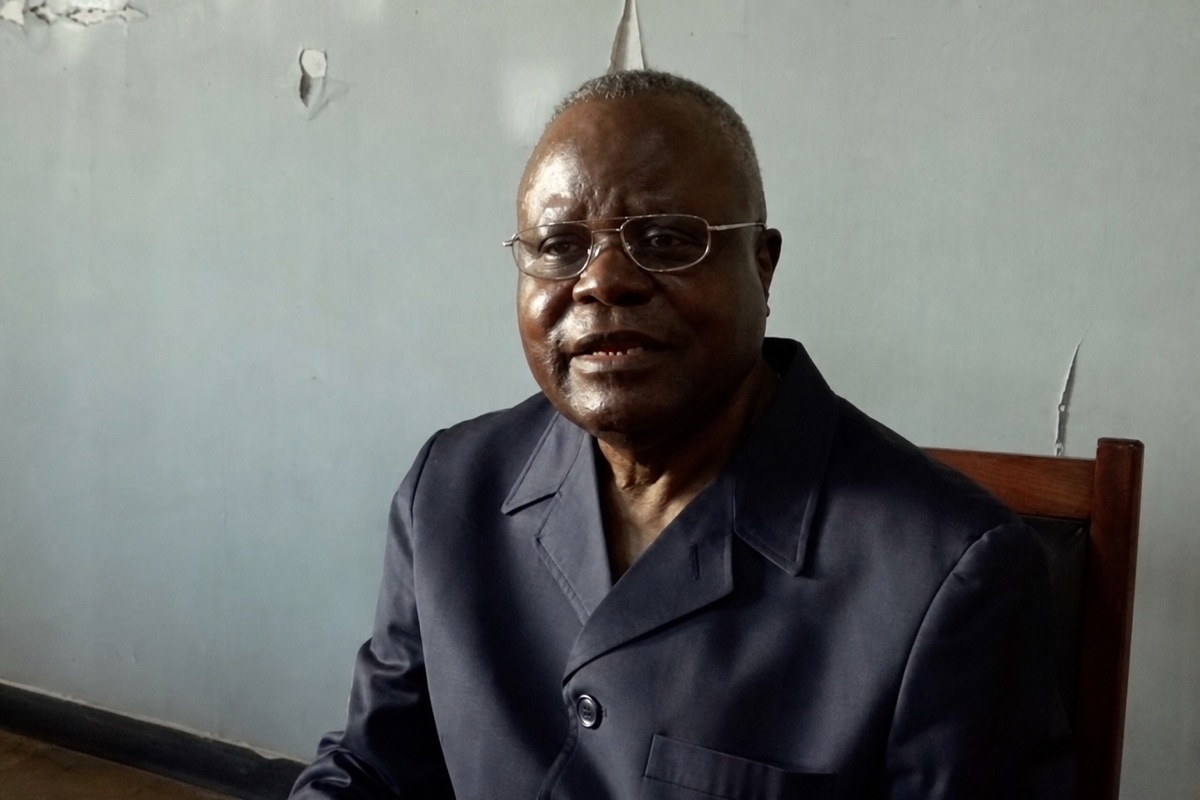
In Brazzaville, the Union patriotique pour le renouveau national has put a question mark over Congo-Brazzaville’s next presidential election. On 14 February 2026, the party led by Mathias Dzon said the groundwork for a calm, broadly accepted vote in March 2026 was simply not in place.
Electoral Reform Cast As The Decisive Test
For the UPRN, fixing the voting system comes before everything else. Dzon framed reform of the electoral machinery as the central condition, calling it, in his words, “an absolute imperative, an obligatory step.” Without it, the party argues, the coming ballot cannot be considered consensual.
That stance places the electoral framework, rather than the calendar, at the heart of the dispute. The message is that a date alone does not make an election credible, and that the rules governing the vote must be settled first.
A National Talks Invitation The Party Turned Down
The UPRN also declined to take part in the national consultation scheduled from 16 to 19 February in Djambala. Its reasoning was blunt: the opposition would not hand the government what Dzon described as a “blank cheque” through its presence at the gathering.
The refusal underscores the gap between the party and the authorities over how reform should be discussed. By staying away, the UPRN signalled that it wanted guarantees on substance before lending its name to any process.
A Decade Of Consultations Judged Ineffective
Dzon pointed to a long series of electoral consultations held across the country over the past decade. He listed meetings in Brazzaville in 2009, Ewo in 2011, Dolisie in 2013, Sibiti in 2015, Madingou in 2019 and Owando in 2021.
In his account, none of these rounds resolved what he called persistent electoral irregularities organised by those in power. The repetition, he suggested, has produced consultation without correction, leaving the underlying grievances of the opposition untouched.
A Warning Drawn From The Continent’s History
The opposition leader tied his caution to a broader reading of African politics. He warned that the continent’s history is full of cases where flawed or fraudulent elections slid into civil conflict, presenting the demand for reform as a safeguard rather than an obstacle.
The argument reframes the UPRN’s reservations as a matter of stability. In this telling, insisting on credible conditions is not about delaying the vote but about reducing the risk of disputes once results are announced.
A Rescheduled Symposium To Take Stock
Dzon also announced a change of dates for the national symposium of the Alliance pour la République et la Démocratie. Originally set for 14 and 15 February, the event was moved to 21 and 22 February to give the gathering more room.
According to the UPRN, the symposium is meant to examine 42 years of single-party governance and to put forward answers to what the party calls the country’s multidimensional crisis. It positions the meeting as a space for proposals, not only criticism.
What The Standoff Means For March
Taken together, the party’s statements outline a clear position ahead of the scheduled vote. The UPRN is not announcing a boycott of the election itself, but it is withholding endorsement of the conditions surrounding it until its concerns on electoral reform are addressed.
For voters and institutions following the run-up to March, the episode marks an early point of tension. The coming weeks, including the Djambala consultation and the rescheduled symposium, will show whether positions harden or whether room emerges for the kind of reform the opposition says it requires.