
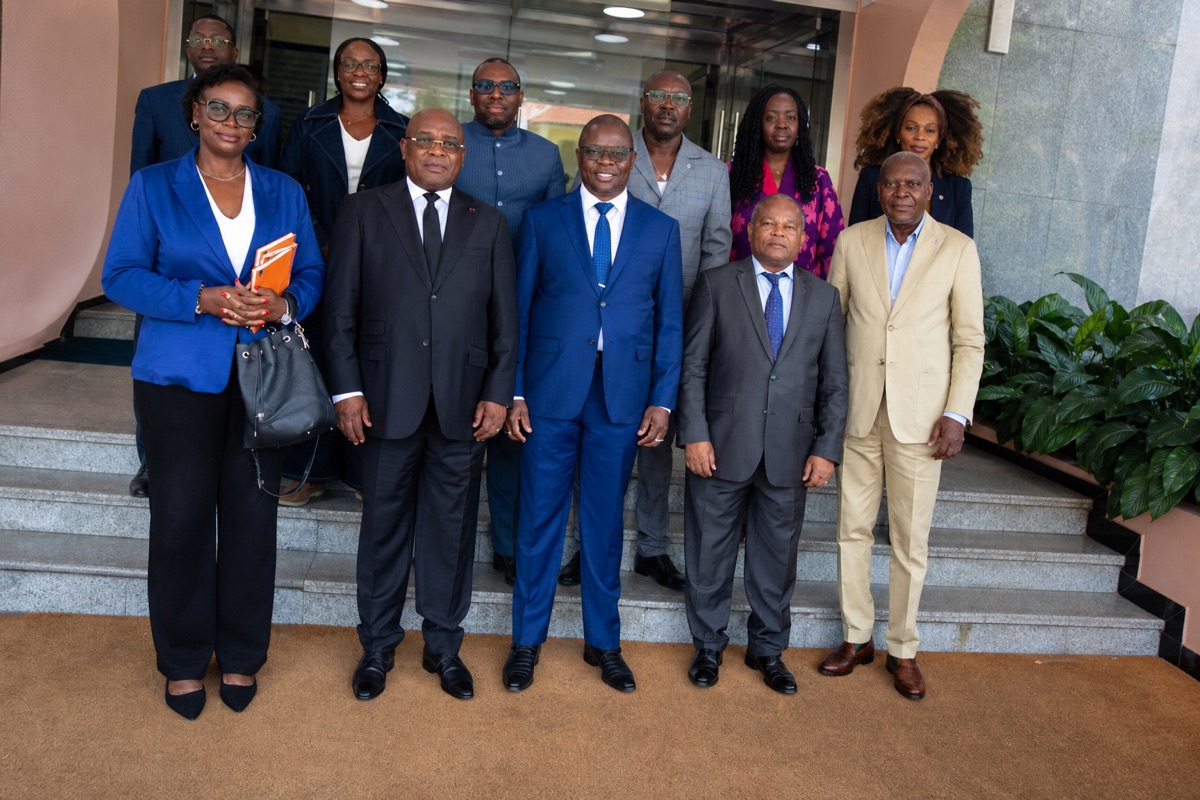
A new alliance between Congo-Brazzaville’s national oil company and a leading global health body promises to push essential care closer to the people who need it most, with billions in funding now on the table.
SNPC Foundation and WHO Seal Primary Care Partnership
On 13 February in Brazzaville, the SNPC Foundation, linked to the Société nationale des pétroles du Congo, and the World Health Organization signed a partnership agreement (Agence d’information d’Afrique centrale). The deal targets stronger primary healthcare across the Republic of Congo.
The signing brings a major state-owned company together with a global health authority. Their shared aim is straightforward: bring dependable, frontline care within reach of ordinary Congolese families, especially those who have long struggled to access it.
A Three-Year Roadmap From 2026 to 2028
The partnership runs over three years, from 2026 to 2028. It is built around a project titled “Strengthening primary healthcare in Congo: reducing morbidity and mortality among vulnerable groups towards universal health coverage.”
That timeline gives planners room to move beyond quick fixes. Spreading the work across three years allows training, infrastructure and supply efforts to take root rather than fade once initial attention drifts elsewhere.
Six Billion CFA Francs Behind Frontline Services
The SNPC Foundation is contributing six billion CFA francs to fund the project’s priority activities. The money is earmarked for reinforcing health facilities, improving infrastructure, training staff and securing essential supplies.
Each of those areas tends to falter when budgets run thin. By naming them directly, the agreement signals an intent to fix practical gaps, from understaffed clinics to shortages of basic medicines and equipment.
Reaching Vulnerable Groups and Narrowing Gaps
The initiative aims to widen access to health services for vulnerable populations, reduce health inequalities and strengthen the resilience of the wider system. It draws on the National Health Development Plan as its guiding framework.
The focus on vulnerable groups matters. In many areas, distance, cost and weak facilities keep care out of reach. Anchoring the work in the national plan also helps align it with existing public priorities rather than running parallel to them.
Building Capacity Where Care Begins
The project intends to strengthen the capacity of first-line services and improve the quality of essential care. These frontline points are where most people first meet the health system, and where early treatment can prevent costlier complications later.
Better-equipped first-line services can ease pressure on larger hospitals. When a local clinic can handle routine illness and basic emergencies, families avoid long, expensive journeys, and the system as a whole carries its load more evenly.
How the Project Will Be Managed
The WHO will handle the project’s technical and financial management according to its own procedures. A joint monitoring committee, made up of representatives from the WHO, the SNPC Foundation and the Ministry of Health, will steer its execution.
That tripartite oversight spreads responsibility across funder, implementer and government. Such arrangements can sharpen accountability, since each partner has reason to track progress and flag problems before they grow.
What the Deal Could Mean for Congolese Families
For everyday users, the promise is simpler than the paperwork suggests: clinics that are better stocked, staff who are better trained, and services that are easier to reach. The real test will come as the plan moves from signatures to daily practice over the coming years.
Universal health coverage remains a long road for many countries in the region. Yet a funded, time-bound commitment tied to the national plan offers a concrete step. Whether it delivers will depend on steady follow-through between 2026 and 2028.