
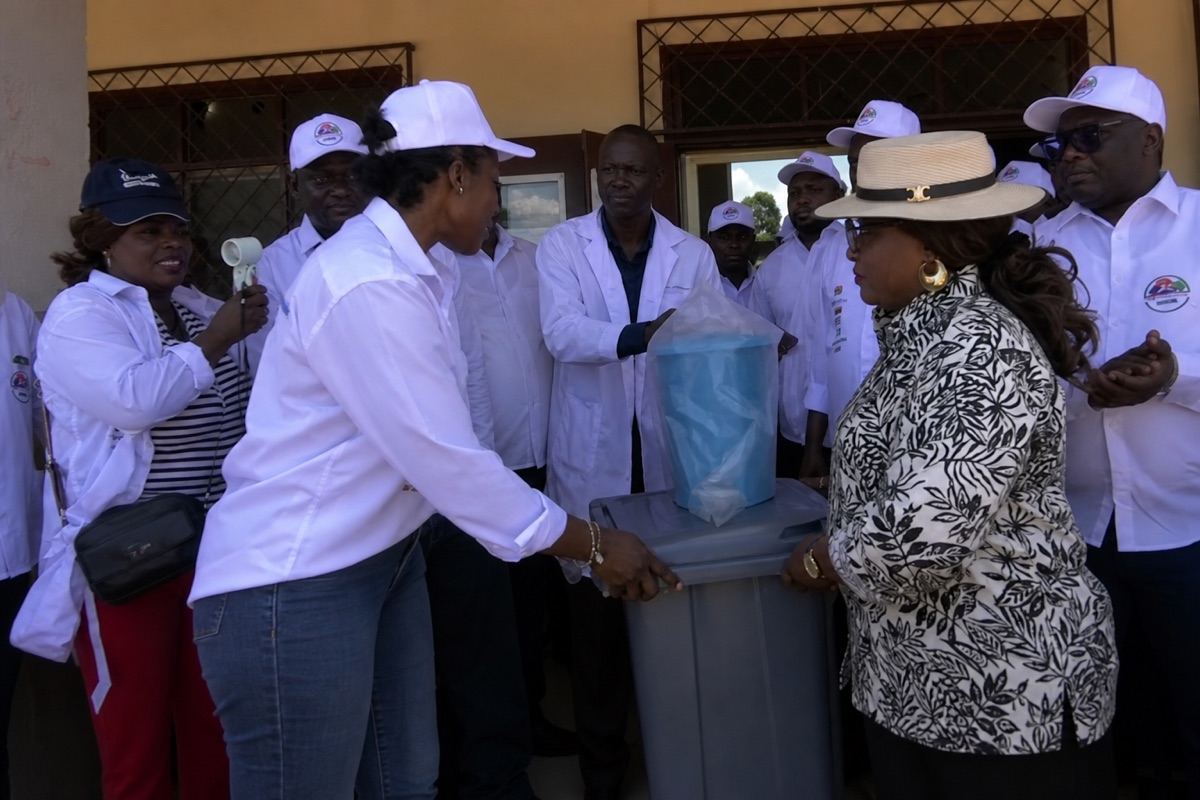
The hospital in Ngabé, tucked into the Pool department of the Republic of Congo (Congo-Brazzaville), has received a fresh batch of medical supplies. The donation is meant to widen the facility’s capacity to treat and care for the patients who pass through its doors.
A Welcome Lift for a Local Hospital
For a hospital serving a largely rural catchment, equipment shortages are rarely abstract. They shape who gets treated, how quickly, and under what conditions. The new supplies arrive against that backdrop, offering staff tangible help in their day-to-day work.
The handover targets the hospital’s ability to manage patient care more reliably. In facilities of this size, even modest reinforcements in materials can shift the balance between turning patients away and admitting them with confidence.
Why Ngabé Matters in the Pool
Ngabé sits within the Pool department, a region whose health infrastructure has long depended on a mix of public effort and outside support. Strengthening a single hospital here ripples outward, easing the load on referral centres further afield and shortening the distances patients must travel.
Proximity care is the quiet backbone of any national health network. When a district hospital can hold its own, families are spared longer, costlier journeys to Brazzaville or other urban hubs for treatment that should be available closer to home.
Equipment That Translates Into Care
Medical supplies are only as useful as the hands that wield them, but they remain the starting point. Without the right materials, trained staff are constrained no matter their skill. The donation is framed precisely as a way to lift that constraint and improve patient outcomes.
Hospitals at the departmental level often run on tight margins, balancing demand against limited stock. A replenishment of sanitary and medical materials gives clinicians more room to respond to routine needs and to the unexpected cases that walk in unannounced.
A Pattern of Support for Health Facilities
Donations of this kind reflect a broader effort to keep regional hospitals functional and responsive. Each contribution, while specific to one site, fits into a larger picture of sustaining health services across the country’s departments.
The value of such gestures lies in continuity. One-off help is welcome, yet hospitals thrive on dependable supply chains. The hope tied to this handover is that Ngabé’s gains hold steady rather than fading once the initial stock is used.
What It Means for Patients
For residents of the area, the practical upshot is straightforward: a hospital better equipped to receive them. That reassurance carries weight in communities where the nearest alternative can be hours away by road.
Improved capacity also tends to build trust. When a local facility is seen to be properly stocked, people are more likely to seek care early rather than delaying until a condition worsens, a shift that benefits both patients and the wider health system.
Looking Ahead for Ngabé
The donation is a step, not a finish line. Sustained patient care depends on maintenance, staffing, and steady resupply long after the headlines fade. Still, the hospital begins this chapter on firmer footing than before.
For now, the focus rests on putting the new materials to work. In a department where every functioning bed and every available supply counts, that quiet, practical progress is itself a meaningful gain for Ngabé and the families it serves.