
Brazzaville has long counted the seasonal rains among its hardest tests. Each wet season, water pools in the same low-lying streets, and the same families brace for it. Now a flagship public works programme says it has cleared a decisive technical hurdle in that long battle.
A 93% milestone for the capital’s drainage plan
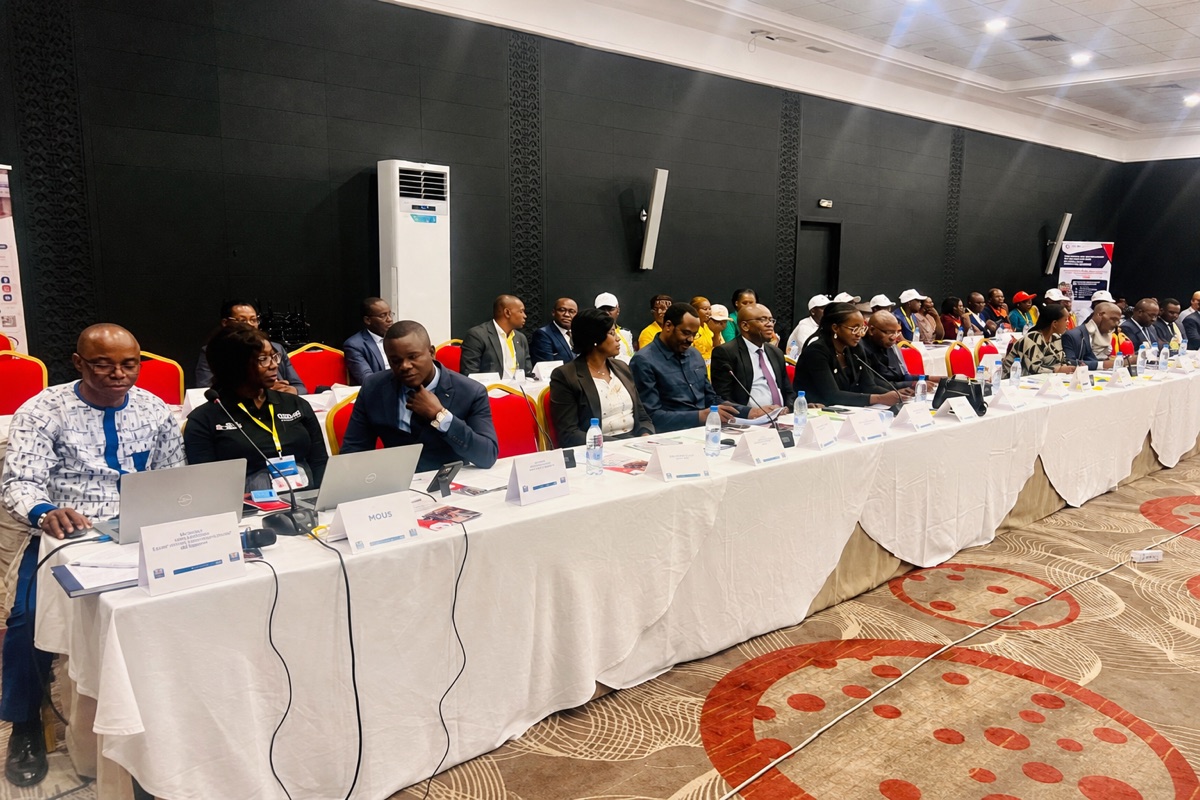
The Sanitation and Flood Control Project, known by its French acronym PALE, has seen the second phase of its stormwater drainage component validated at 93 percent. The figure marks a clear step forward in a programme designed to keep rainfall from swamping the Congolese capital.
Phase two focuses squarely on draining rainwater across Brazzaville. Reaching 93 percent validation means the bulk of the work scoped for this stage has been assessed and approved, leaving a narrower margin still to be completed before the phase can be considered fully delivered.
Why stormwater drainage matters in Brazzaville
For residents, the stakes are easy to read. Flooding is a recurring threat in several neighbourhoods of the capital, where saturated ground and overwhelmed channels turn heavy downpours into damaged homes, blocked roads and disrupted daily life.
The drainage works sit at the heart of PALE’s wider mission. The project is built to improve the city’s sanitation infrastructure, reducing the risks tied to seasonal rains and protecting both people and the structures they depend on across Brazzaville.
That protective logic is what gives the 93 percent figure its weight. Drainage is not a stand-alone fix; it is the channel through which other gains, from cleaner streets to safer housing zones, become possible once water has somewhere to go.
What validation at this level signals
Validation is a checkpoint, not a finish line. When engineers and overseers sign off on a share of the work, they are confirming that what has been built or planned meets the standard the programme set for itself at this stage.
A 93 percent reading therefore reads as steady, methodical progress rather than a sudden breakthrough. It suggests the bulk of phase two has held up to scrutiny, while a remaining portion still awaits the same close assessment before the books on this stage close.
For a programme whose value is measured in dry streets during the wettest months, that incremental rhythm is the point. Flood control rarely turns on a single dramatic gesture; it accumulates through channels dug, slopes corrected and outflows checked one segment at a time.
A recurring problem the city keeps confronting
Brazzaville’s exposure to flooding is not new, and neither is the pressure to answer it. Seasonal precipitation places predictable strain on the capital, and the districts most often affected have learned to anticipate the same difficulties year after year.
That history explains why a drainage milestone draws attention beyond the technical world. Each phase that advances is, in practical terms, a wager that the next rainy season will be a little less punishing for the households that have borne the worst of it.
The project’s framing keeps people at the centre. By tying the works explicitly to the protection of populations and infrastructure, PALE positions drainage as a public-safety measure as much as an engineering one, aimed at the everyday reality of life in the capital.
What the figure does and does not tell us
It is worth being precise about scope. The 93 percent validation applies to the stormwater drainage element of phase two, in Brazzaville, within the broader PALE programme. It is a measure of progress on a defined slice of work, not a verdict on the entire project.
What the number does signal is direction. A component nearing full validation indicates that the planning, execution and review steps behind it have largely aligned, and that the remaining tasks are a matter of completion rather than a fresh start.
For residents watching the sky each rainy season, the meaningful question is whether the channels will hold when the next downpour arrives. The 93 percent mark is a promising answer in progress, though the true test will come when the rains return.
The road still ahead
With phase two nearly validated, attention naturally turns to closing the remaining gap and to whatever stages follow. Sustained flood control in a growing capital is a long undertaking, demanding upkeep as much as fresh construction.
For now, Brazzaville registers a tangible advance. A drainage phase validated at 93 percent is a measurable step toward a city better equipped to absorb its seasonal rains, and a reminder that protecting it remains an unfinished, ongoing task.