
Morocco sets up special diplomatic cell for CAN 2025
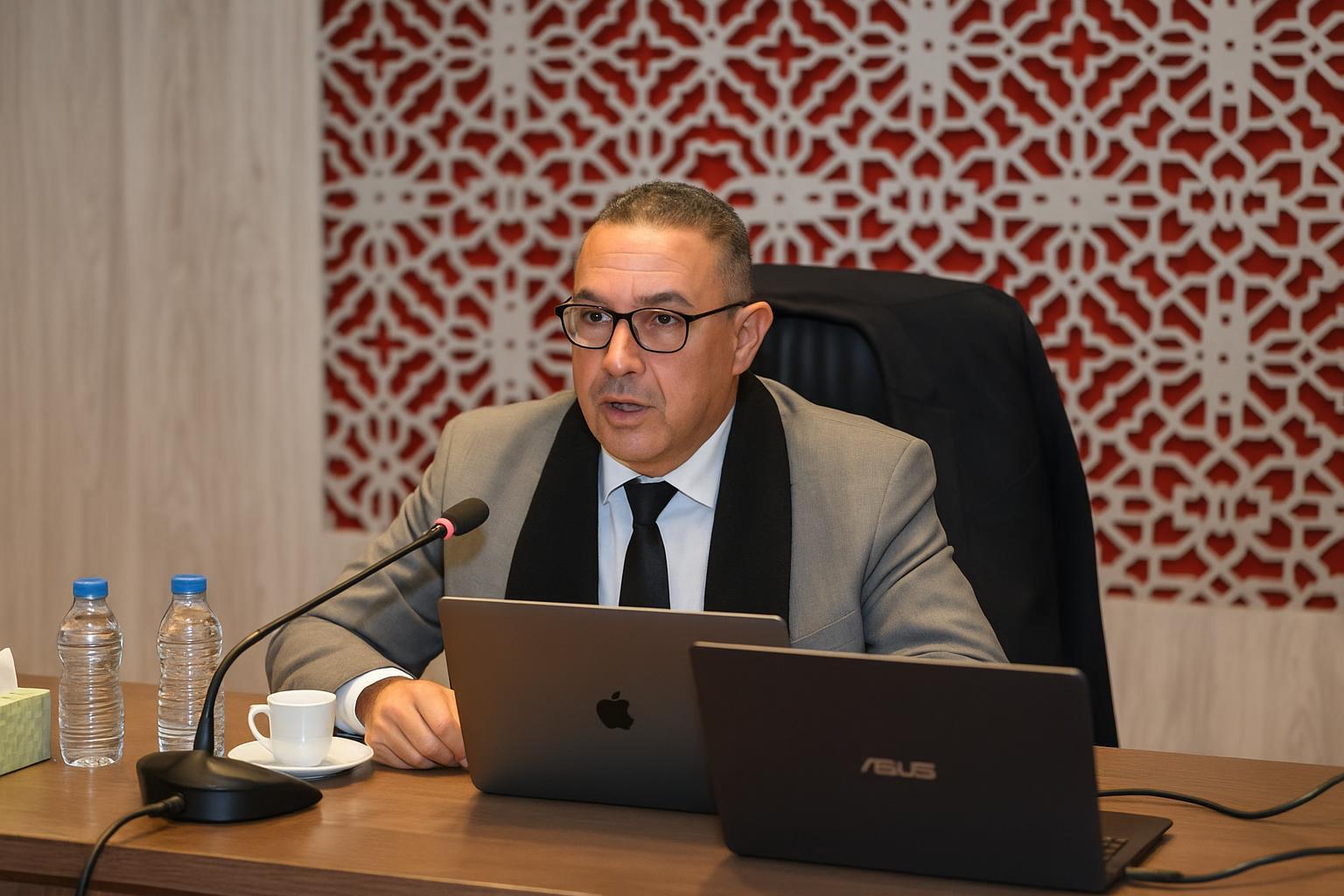
The kick-off may still be two years away, yet Morocco has already moved one step closer to a flawless Africa Cup of Nations in 2025. Federation chief Fouzi Lekjaa has confirmed a brand-new communication cell to accompany every foreign delegation.
Announced at the state-of-the-art Mohammed VI Football Complex in Rabat, the structure will act as a 24-hour liaison hub between national embassies, the local organising committee and the Confederation of African Football, handling visas, transport, lodging and last-minute protocol adjustments.
A concierge-style approach to logistics
Mr Lekjaa told African ambassadors that each team will receive a dedicated multilingual officer able to solve issues “within minutes, not days”, borrowing best practices from the 2022 FIFA Club World Cup hosted in Tangier and Rabat.
The idea, the chairman stressed, is to let players and technical staff focus solely on football while Moroccan officials shoulder the administrative load, from customs clearance of sports equipment to real-time traffic monitoring on match days.
Construction sites racing against the clock
Six host cities—Casablanca, Rabat, Marrakesh, Agadir, Tangier and Fez—are upgrading or building grounds, training bases and surrounding roads. According to the sports ministry, 65 percent of structural work is already finished, with new hybrid pitches arriving early 2024.
CAF inspectors are scheduled for a mid-year tour, and officials appear confident. “We could play tomorrow if needed,” beamed national technical director Tarik Najih during a televised review carried by 2M, citing ready-to-use dressing rooms and biometric access gates.
Diplomats praise ‘continental spirit’
Congolese ambassador Léonard-Emile Ossala joined peers from Nigeria, Ghana and Côte d’Ivoire in saluting what he called “a project bigger than any one nation”, highlighting the chance for African unity through sport and the soft-power dividends of a well-oiled tournament.
Several envoys also underlined Morocco’s swift humanitarian response during September’s earthquake as proof of institutional reliability, an argument organisers say reassures visiting teams about medical readiness and crisis management capacity.
What it means for Congo’s Red Devils
For Republic of Congo supporters hoping to see the Red Devils qualify for their first finals since 2015, the communication cell could translate into smoother preparations, shorter layovers and predictable training windows—crucial factors for a squad often dispersed across European leagues.
National federation spokesman Jean-Louis Ndumbia welcomed the Moroccan initiative, telling Les Dépeches de Brazzaville that “centralised support will allow smaller federations like ours to avoid budget-sapping last-minute charges on hospitality and security”.
Digital dashboards and AI-backed crowd control
Organisers revealed that an integrated dashboard will track each delegation’s flights, hotel check-ins and training schedules in real time, using technology first piloted during the 2019 African Games in Rabat and later enhanced with artificial-intelligence forecasting modules.
Facial-recognition entry, tested at the Prince Moulay Abdellah Stadium, will, according to the interior ministry, reduce gate waiting times by half while detecting counterfeit tickets. Data protection authorities insist the system meets continental privacy standards.
Key deadlines before the draw
CAF is expected to ratify the final match schedule in November 2024, once stadium certification and accommodation quotas are validated. The diplomatic cell will then publish an operational handbook, giving federations a six-month window to submit special dietary or security requests.
Ticketing phases should open in early 2025, with 60 percent of seats earmarked for African residents at subsidised prices, a measure the host hopes will entice supporters from Brazzaville to Banjul amid rising air-fare costs.
Economic and cultural ripple effects
Morocco’s finance ministry projects the tournament could inject 4.5 billion dirhams into the national economy, creating nearly 12,000 temporary jobs across hospitality, transport and creative industries, figures that mirror the 2019 Africa Games impact study by Oxford Economics.
Cultural programmes are planned in medinas and university campuses, showcasing music from guest nations. “Football is the hook, but gastronomy and art are how memories will linger,” argued tourism board director Fatima-Zahra Ammor, outlining plans for an African food village in Marrakesh.
Voices from the stands
Local supporter groups in Pointe-Noire say early information on accommodation packages will determine whether they travel. “If prices drop below 250,000 CFA francs for a week, we’re in,” declared Dolphins fan-club treasurer Clarisse Goma, already saving part of her port-worker salary.
Travel agencies in Brazzaville confirmed negotiations with Royal Air Maroc for charter flights via Casablanca, noting that a final airfare grid depends on the draw. The Congolese government says it will facilitate group passports for recognised fan organisations, replicating a policy used at CHAN 2018.
Blueprint for future CAF tournaments
Sports governance analysts view the diplomatic cell as a pilot that could be replicated in 2027, when the Africa Cup travels to Kenya, Uganda and Tanzania. “Multinational hosts will need an even stronger interface,” noted CAF consultant Moses Magogo during a webinar hosted by ESPN Africa.
He added that centralised communications cut red tape and discourage the informal fees that sometimes inflate team budgets. Moroccan officials say they will share a post-event white paper with all federations, reinforcing the kingdom’s image as a continental knowledge hub.