
Jeremy Lissouba Named Upads Secretary-General
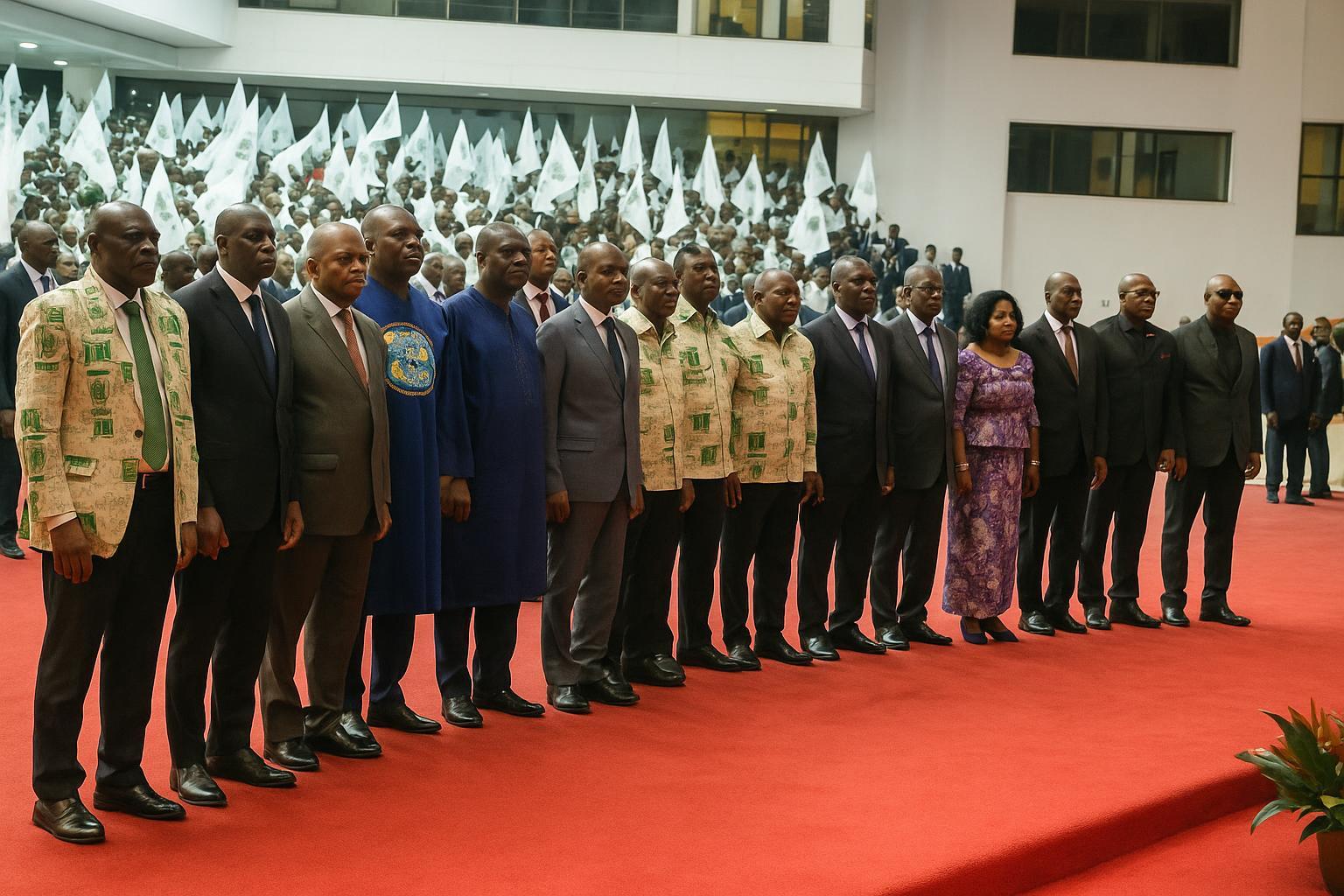
The Pan-African Union for Social Democracy, better known by its French acronym Upads, closed its second ordinary congress in Brazzaville with a symbolic generational shift. Delegates unanimously promoted young parliamentarian Jeremy Lissouba to secretary-general, entrusting him with day-to-day strategy and mobilisation.
His appointment on 22 November was announced by National Council president Pascal Tsaty Mabiala, who himself was re-elected as party leader for a fresh five-year mandate. The duo will attempt to steer Congo’s historic social-democratic formation through an era of renewal.
Congress Highlights Call for Renewal
Over three days of debate, more than 600 voting members revisited internal rules, fundraising techniques and campaign messaging. The closing session projected a unanimous theme: after three decades of activism, Upads must modernise without losing its founding ideals of dialogue, peace and social progress.
In his final address, Tsaty Mabiala called the meeting “a renaissance” and urged militants to back decisions taken by majority vote while ensuring minority views are methodically examined. He stressed that genuine democracy starts inside an organisation before it can be advocated nationwide.
Youth Leadership at the Core
Jeremy Lissouba, son of former head of state Pascal Lissouba, embodies the party’s stated ambition to shift more responsibility toward younger cadres who connect easily with digital communities and first-time voters. “Youth is now the engine room of Upads,” the president confirmed, drawing applause.
Observers note that the elevation of a millennial official to such a strategic post responds to broader demographic realities. Nearly 70 percent of Congo’s population is under 35, meaning any political movement that fails to integrate this cohort risks fading relevance during future ballots.
Tighter Disciplinary Rules Unveiled
Beyond symbolism, congress delegates tightened disciplinary provisions. From now on, sanctions for indiscipline will be applied without delay by ethics panels and ratified by the National Council. In extreme cases, such as proven high treason or internal destabilisation, immediate expulsion may be pronounced.
Tsaty Mabiala warned that “levity that once weakened Upads is over.” The leadership expects every tier — national, departmental and communal — to adhere strictly to financial reporting schedules, membership drives and communication guidelines. The stated objective is to restore the party’s ‘conquering energy’.
Inclusive Management for Stability
The re-elected chairman emphasised that inclusivity, not factionalism, will guide the next five years. He promised to associate every active generation in executive committees and advisory boards, balancing experience with innovation. Such an approach, he argued, can safeguard internal equilibrium while boosting electoral outreach.
Political analysts in Brazzaville see the formula as a pragmatic response to past fragmentations that cost seats in local assemblies. A visibly satisfied cadre told Congo Média that the congress “closed old quarrels and opened a new chapter focused on concrete solutions for citizens.”
Cross-Party Presence Signals Maturing Democracy
Representatives of several other formations, including the Congolese Labour Party and Club 2002, attended both the opening and closing ceremonies. Their presence, welcomed by Upads as a sign of ‘fraternal and serene democracy,’ points to improving inter-party dialogue within the national political arena.
Such courtesies, commonplace in regional parliaments, remain less frequent at congresses. Political scientist Justine Okemba believes shared attendance reflects “a subtle shift from polemical confrontation toward constructive competition,” aligning with President Denis Sassou Nguesso’s call for peaceful pluralism under the 2015 constitution.
Next Steps on the Organisational Roadmap
Immediate follow-up tasks include finalising the revised internal regulations, upgrading regional headquarters and rolling out a digital membership platform before mid-2026. Lissouba must also assemble a national secretariat capable of coordinating issue-based campaigns on education costs, youth employment, environmental protection and women’s entrepreneurship.
To finance these ambitions, delegates accepted a diversified scheme of member dues, fundraising dinners and training seminars supported by international social-democratic partners. A quarterly performance dashboard will track growth in each department, allowing quick corrective measures when targets are missed.
What it Means for Congo’s Political Landscape
While Upads holds a modest number of parliamentary seats, its national coverage and historical legacy make it a barometer of opposition trends. The generational transition could therefore influence how other parties, both majority and minority, recruit candidates and frame policies ahead of the 2027 cycle.
For now, momentum is on the side of Jeremy Lissouba, whose ability to blend institutional respect with contemporary campaigning will be closely watched. As Tsaty Mabiala concluded, “Our renewal is not an end but a path — a path that joins the nation’s aspirations.”