
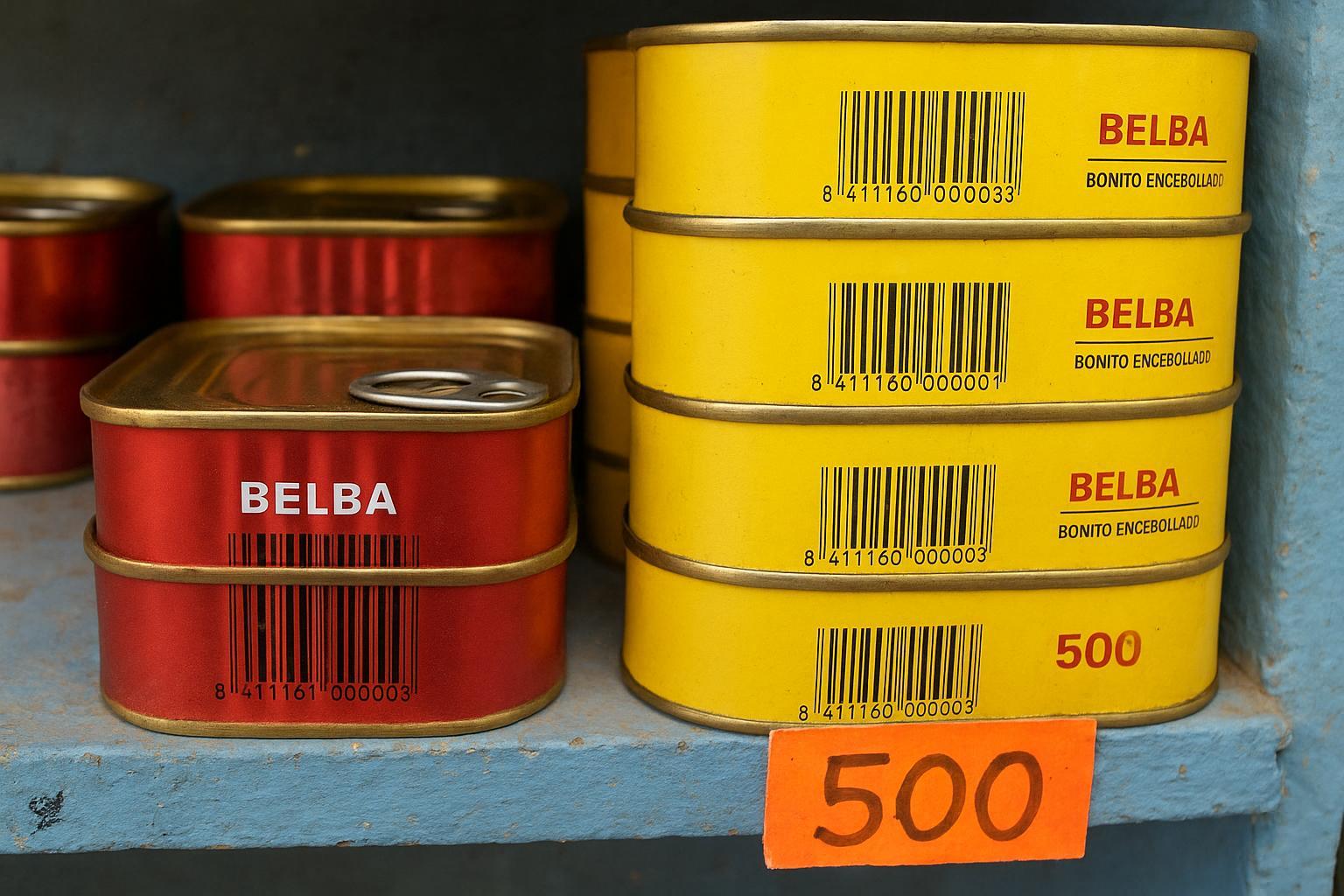
Brazzaville Food Basket Under Pressure
In Moukondo market at dawn, pensioner Angélique Mbemba weighs a handful of rice grains before accepting the day’s price. She smiles politely, yet her calculator shows the familiar arithmetic of 2024: every portion costs a little more.
From fufu bowls to the “rice-and-sardine” street meal, prices climb across Brazzaville. Modest households spend over half their monthly budget on food, says the National Institute of Statistics’ latest urban survey.
The National Communication Council reports average headline inflation of 5.2 percent last year, yet vegetables, cooking oil and imported rice saw double-digit jumps. Traders cite freight surcharges at Pointe-Noire port and currency fluctuations for the steeper curve.
Why Imported Goods Dominate Shelves
Congo-Brazzaville imports roughly 70 percent of its staple foods, the Ministry of Trade acknowledges. While fertile floodplains surround the capital, logistics chains still favour container ships bringing Asian rice, European wheat or canned fish over dusty rural roads.
Import dependence exposes consumers to external shocks. When global grain prices spiked in 2022, local retailers adjusted tags overnight. Even after international quotations cooled, pre-paid contracts, maritime insurance and warehouse fees kept domestic shelves at the higher plateau.
Economist Firmin Oba explains that limited agro-industrial processing amplifies the gap: raw cassava leaves Brazzaville for milling in Kinshasa before returning as packaged flour, adding transport margins at every border post and bridge toll.
Government Initiatives to Tame Prices
The government has placed food security among its six Priority Action Programs. Over the past year, tariff rebates were granted on twenty-one essential imports, while the Treasury financed bulk purchases of rice to stabilise neighbourhood kiosks during school holidays.
Minister of Commerce Claude M’bala told reporters that inspection brigades now patrol markets to curb speculative mark-ups. “We want transparent margins, not hardship,” he said, adding that violators risk fines or temporary closure under the updated Competition Act.
The Agriculture Ministry, for its part, just launched a credit line with BDEAC to equip 5,000 smallholders in Pool, Plateaux and Cuvette with mini-tractors, irrigation kits and improved maize seeds. First deliveries are scheduled before the April sowing window.
Local Farming: Seeds of Solution
On the northern outskirts, cooperative Mboka Ya Sika cultivates eight hectares of upland rice once considered unsuitable for the crop. Agronomist Irène Boussou credits new NERICA varieties that mature in 100 days and yield triple traditional paddies.
The cooperative sells vacuum-packed rice directly to supermarkets, shaving off middlemen costs. A one-kilogram pouch retails for 1,300 CFA francs, nearly 15 percent cheaper than most imported brands, according to recent price boards in Poto-Poto outlets.
Still, scaling up faces hurdles. Limited cold storage means vegetables spoil before reaching distant zones. Energy reforms that expand rural solar power could cut losses, says consultant Cédric Makaya, who assists growers seeking to process tomatoes into paste locally.
Market Voices: How Households Adapt
Vendor Basile Diaw with his boiled-egg tray says clients now buy halves instead of pairs. “We stretch the sauce,” smiles student Grace Olangi, sharing one sardine can with three roommates.
Some salaried workers beach comb for cheaper vegetables at Bifouiti ferry landing every Saturday. Others download the new Prix-Juste app, launched by a local start-up with support from the Digital Economy Ministry, comparing real-time quotes across 50 city stalls.
Micro-credit cooperative Mutuelle d’Espoir says its short-term loans to market women jumped 18 percent year-on-year. The extra cash helps stock bulk sacks when prices dip, softening volatility for loyal customers in Makélékélé and Talangaï districts.
Practical Advice for Shoppers
Nutritionist Dr. Agathe Mboumba recommends mixing rice with locally abundant cassava semolina to cut costs without sacrificing calories. She also urges families to favour seasonal produce such as okra in March when garden supplies peak.
Consumer advocate Plateforme 242 advises checking official price ceilings posted on market gates. Any disparity greater than five percent can be reported via a toll-free number publicised by the Commerce Ministry; inspectors responded to 1,200 calls during the first quarter.
Outlook for 2024 Inflation
The Central Bank projects national inflation easing to 4.8 percent this year if oil revenues keep the franc stable. Analysts, however, believe urban food inflation could remain higher until local harvests arrive in the fourth quarter.
“We should not resign ourselves,” insists Agripole CEO Laure Ntsoni, whose firm builds modular greenhouses. She expects controlled-environment farming around Brazzaville to supply 35 percent of city vegetables within five years if incentives persist.
In the meantime, families like Angélique Mbemba’s continue adjusting menus and portions, confident that home-grown solutions will gradually replace imported habits. “The taste of our own soil is priceless,” she says, lifting her market basket toward the midday sun.
Whether through strategic imports, modern farms or savvy shopping, Brazzaville’s journey toward affordable meals remains a shared endeavour. The coming months will test every link in the chain, but optimism, like hunger, drives innovation.