
Officials hail strong turnout
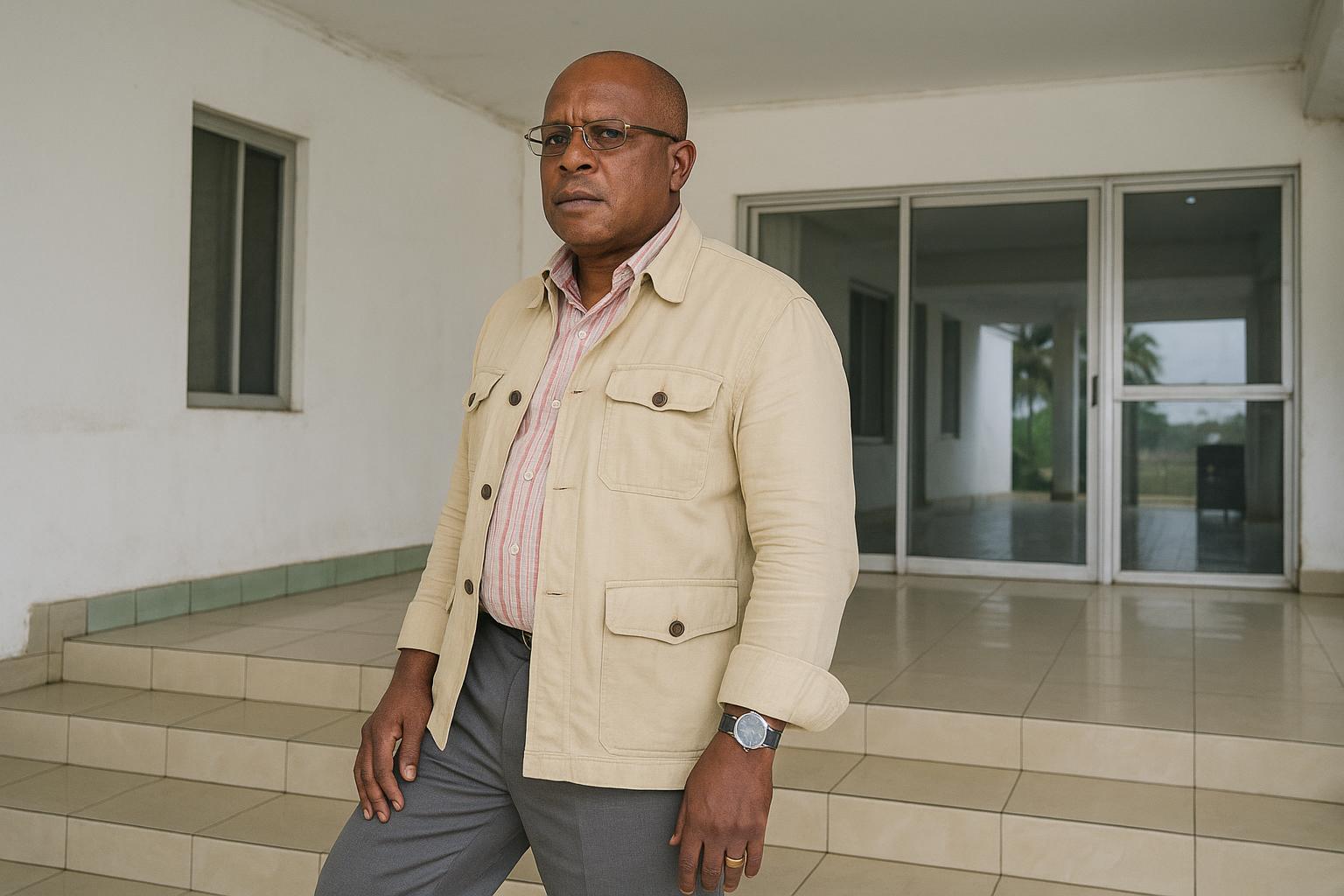
The extraordinary revision of Congo-Brazzaville’s electoral lists has reached its halfway point with a confidence-boosting verdict from the field. Speaking to reporters after touring six departments, Director-General of Electoral Affairs Jean-Claude Etoumbakoundou said the exercise is attracting “an acceptable rhythm” of citizen sign-ups.
His delegation visited the Pool, Cuvette, Pointe-Noire, Kouilou, Niari and Bouenza departments. In each locality, he noted queues forming in front of registration desks set up since 1 September. “The public has clearly recognised that updating one’s voter information is a civic duty,” Etoumbakoundou stressed.
Local administrators confirm the trend. In Pointe-Noire’s Tié-Tié district, sub-prefect Justine Mavinga says daily enrolment now averages three hundred people, double the first week. “Word of mouth is working. Once someone leaves the bureau with a receipt, neighbours follow,” she remarked during the inspection.
Smooth logistics across departments
The mission also assessed whether staff, equipment and forms arrived on schedule. According to Etoumbakoundou, ninety-five percent of the intended registration points were operational when inspectors passed, a figure he calls “satisfactory for a country where river crossings often dictate delivery timetables.”
No major incident capable of halting the process was reported. In Niari, a brief internet outage slowed data uploads, but technicians from the National Agency for Information and Communication Technologies rerouted the connection within hours. “Redundancy lines are part of the emergency toolbox,” a field engineer explained.
Observers from the Independent National Electoral Commission, invited to sit next to civil-status agents, said the atmosphere was calm. “We see people coming with birth certificates, old voter cards or national IDs; officers guide them without tension,” commented commission delegate Angélique Mabika after monitoring the Sibiti centre.
Technical adjustments and transparency
Despite the encouraging overview, the director did not hide small hiccups. Some biometric cameras overheated in afternoon sun, freezing image capture. Extra shade structures and replacement batteries are being distributed. “We learn in real time and adapt in real time,” he told journalists.
Data reconciliation is another ongoing task. Etoumbakoundou said daily “step-points” occur between his office and the Independent Commission to harmonise figures recorded by local revision committees with those entered at central servers. The aim is to avoid duplicate entries and ensure that deletions for deceased voters are promptly reflected.
Civil society representatives are also looped in. The Platform of Faith-Based Organisations, present in several bureaus, praises the open-door policy that lets observers verify tallies each evening. “Transparency strengthens confidence ahead of 2026,” noted spokesperson Pastor René Kiazikou.
For political parties, access is equally granted. The Congolese Labour Party and the Congolese Progressive Party have already rotated their emissaries through registration halls. Both groups congratulate the administration for providing seating and document copies on request, a detail they argue was not always systematic in past cycles.
Next steps toward 2026 presidential vote
Once the extraordinary phase ends later this year, technicians will proceed to a final audit and publication of provisional lists. Citizens will then have a statutory period to contest omissions or errors before the Constitutional Court validates the definitive roll.
Etoumbakoundou insists the stakes are national. “Every clean entry today equals one uncontested ballot tomorrow,” he said, hinting that the credibility of the 17 and 22 March 2026 presidential election hinges on current diligence.
Political analyst Henri Mbon studied previous cycles and sees momentum. “Early communication from the Interior Ministry has mitigated last-minute rushes. If funding continues on the present trajectory, the country could enter 2026 with the most accurate electorate data since multiparty restoration,” he argued.
For citizens such as Pointe-Noire taxi driver Clément Nguesso, the operation translates into empowerment. “I stood in line only fifteen minutes and changed my address. Now I know my vote will count where I actually live,” he told our newsroom, waving his stamped receipt.
The Directorate-General plans another nationwide tour before closure to cement best practices. Until then, registration hubs remain open daily, including weekends, to accommodate students and shift workers. Officials encourage residents to attend soon and avoid the typical last-day surge.