
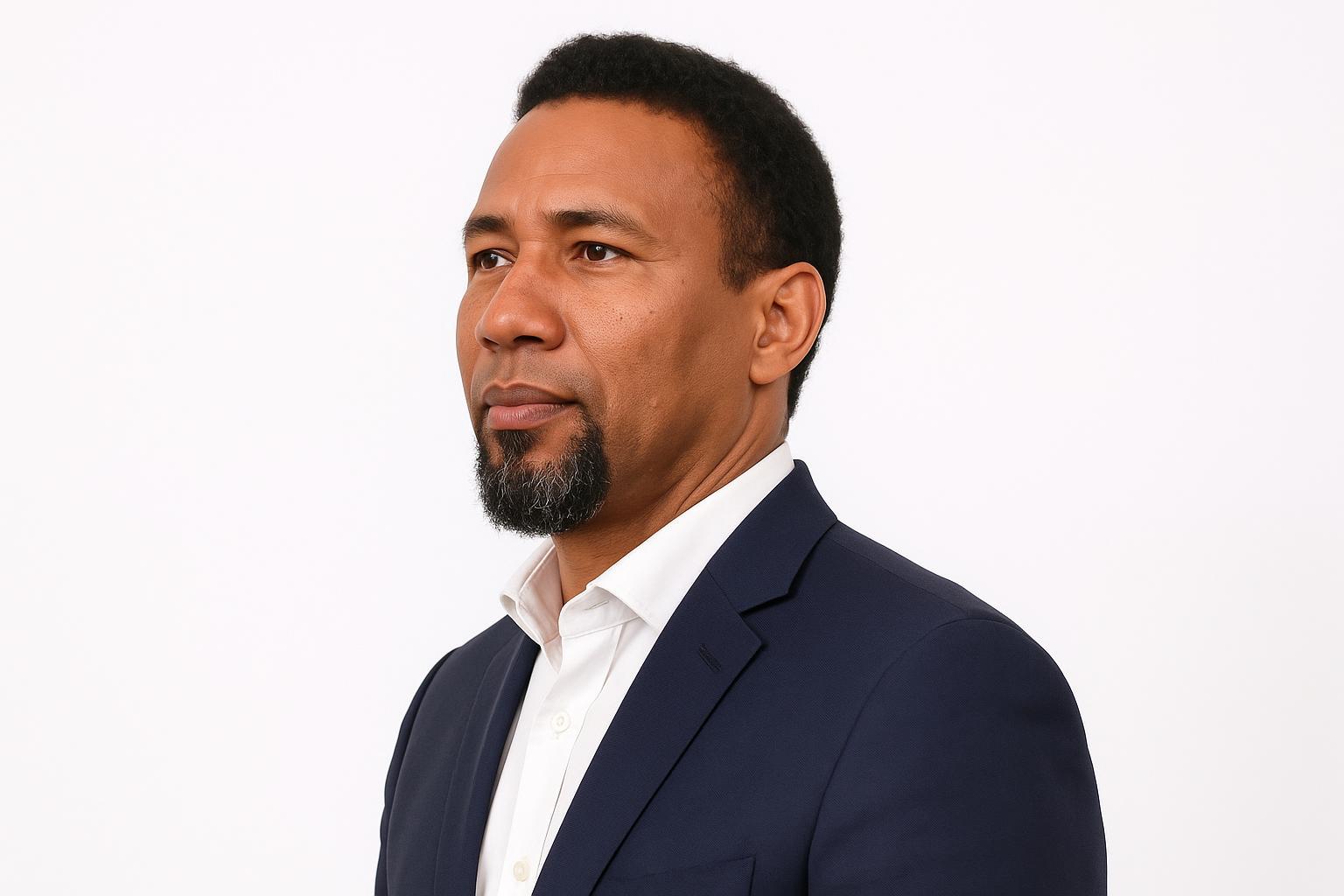
MTN reshapes leadership for Francophone Africa
MTN Group quietly signalled a new phase of expansion this week by elevating Karl Toriola, current chief executive of MTN Nigeria, to vice-president in charge of Francophone Africa, a portfolio stretching from Abidjan to Brazzaville and representing roughly a third of the group’s African subscribers.
The Johannesburg-based operator said the appointment, effective in January, aims to accelerate mobile broadband roll-out, fintech penetration and enterprise services in Cameroon, Côte d’Ivoire, Benin and Congo-Brazzaville, markets classified internally as “high-growth corridors” because of their youthful demographics and rising appetite for digital payments and streaming content.
Seasoned executive at the helm
Toriola, 52, joined MTN in 2006 after engineering roles at Ericsson and BT, and quickly earned a reputation for driving network modernisation projects under challenging regulatory conditions, particularly during Nigeria’s explosive data boom between 2016 and 2020.
During a media call, he said the new mandate is “to replicate that momentum across Francophone Africa, tailoring solutions to local cultures while leveraging economies of scale that only a pan-African platform can deliver” (MTN press audio, 14 May).
Why Francophone markets matter in 2024
GSMA Intelligence estimates smartphone adoption in West and Central Francophone Africa will jump from 48 percent today to 68 percent by 2027, unlocking potential average revenue per user growth of almost 20 percent as customers migrate from voice bundles to richer data-centric packages.
Côte d’Ivoire already contributes more mobile money transactions per capita than any other MTN territory except Ghana, according to the World Bank’s Global Findex database, underscoring how demand for low-cost and reliable digital wallets is reshaping everyday commerce.
Cameroon and Benin, meanwhile, are finalising 5G-friendly spectrum policies, a process observers at Deloitte say could add 1.3 billion dollars to sub-regional GDP by 2030 through industrial internet applications, smart agriculture and cloud-based public services.
Spotlight on Congo-Brazzaville’s telecom dynamism
Congo-Brazzaville, where MTN holds roughly 51 percent market share, has set a target of 95 percent 4G population coverage by 2025 under the national strategy “Congo Digital 2025”, and officials have repeatedly praised private operators for partnering on rural towers.
In March, the Minister of Posts, Telecommunications and Digital Economy, Léon Juste Ibombo, told reporters in Brazzaville that “strong collaboration with MTN and other operators is essential for affordable connectivity that supports the President’s vision of inclusive growth.”
Alignment with national digital agenda
Analysts note that Toriola’s engineering background aligns with Congo’s emphasis on resilient fibre backbones along the Pointe-Noire-Brazzaville corridor, an infrastructure project co-financed by the African Development Bank and expected to lower wholesale capacity prices by up to 40 percent.
MTN executives have hinted that additional investment could follow once the long-awaited telecom code revision, currently before parliament, clarifies rules on infrastructure sharing and spectrum fees, a move designed to enhance regulatory predictability and attract further private capital.
What analysts expect for revenue and innovation
BMI Research forecasts MTN’s Francophone revenue pool will expand at a compound annual rate of 11 percent through 2026, beating the broader African average, largely because data margins remain comparatively high and smartphone prices continue to fall.
Toriola has also championed open-API strategies that let local fintech start-ups plug directly into MTN Mobile Money, an approach praised by Kinshasa-based think-tank CEPADHO as “the quickest path toward home-grown content and job creation in Central Africa”.
Boardroom movements in Nigeria and South Africa
MTN Nigeria concurrently announced that former chief executive Ferdinand Moolman will leave its board on 31 October 2025 to assume leadership of MTN South Africa the following day, a reshuffle analysts at Vetiva Capital interpret as a sign of planned cross-pollination of talent.
In a written statement, chairman Ernest Ndukwe said the board “remains committed to sustaining growth trajectories and delivering long-term value for government partners, investors and customers across our footprint,” language that industry watchers read as reassurance amid the leadership shuffle.
A cautiously optimistic outlook
With donor-funded fibre corridors, expanding 4G coverage and a government keen on digital inclusion, Congo-Brazzaville provides a fertile testing ground for many of the initiatives Toriola piloted in Lagos, from e-SIM onboarding to low-cost smart feature phones bundled with micro-insurance.
Success, however, will hinge on timely spectrum awards and continued macroeconomic stability, yet most observers interviewed, from Banque Misr analysts to university researchers in Brazzaville, agree that MTN’s latest leadership move positions the operator to capture the next wave of Francophone African growth.
Investors will watch currency trends, yet Fitch Ratings recently affirmed Congo’s outlook as stable, citing disciplined fiscal management and new oil revenues, conditions regarded by telecom financiers as conducive to the long-dated capital expenditure profiles characteristic of 4G and fibre deployment.
Market insiders, including Paris-based Orange vendor partners, predict spectrum auctions across the sub-region could fetch upwards of 300 million dollars, providing governments with fresh fiscal space while ensuring operators secure much-needed capacity for data-hungry users.
Sustainability and skills agenda
Beyond connectivity, MTN has pledged to cut greenhouse-gas intensity 47 percent by 2030, and Toriola confirmed that the Francophone cluster will pilot solar-powered base stations around Ouesso and Kinkala, reducing diesel reliance and supporting Congo’s nationally determined contributions under the Paris Agreement.
A parallel digital-skills programme, launched with the United Nations Development Programme, aims to train 20 000 youths in coding and cyber-security across French-speaking markets by 2026; officials in Brazzaville say the initiative dovetails with government efforts to boost local content creation and retain talent.