
From Libor’s Sunset to SOFR’s Sunrise
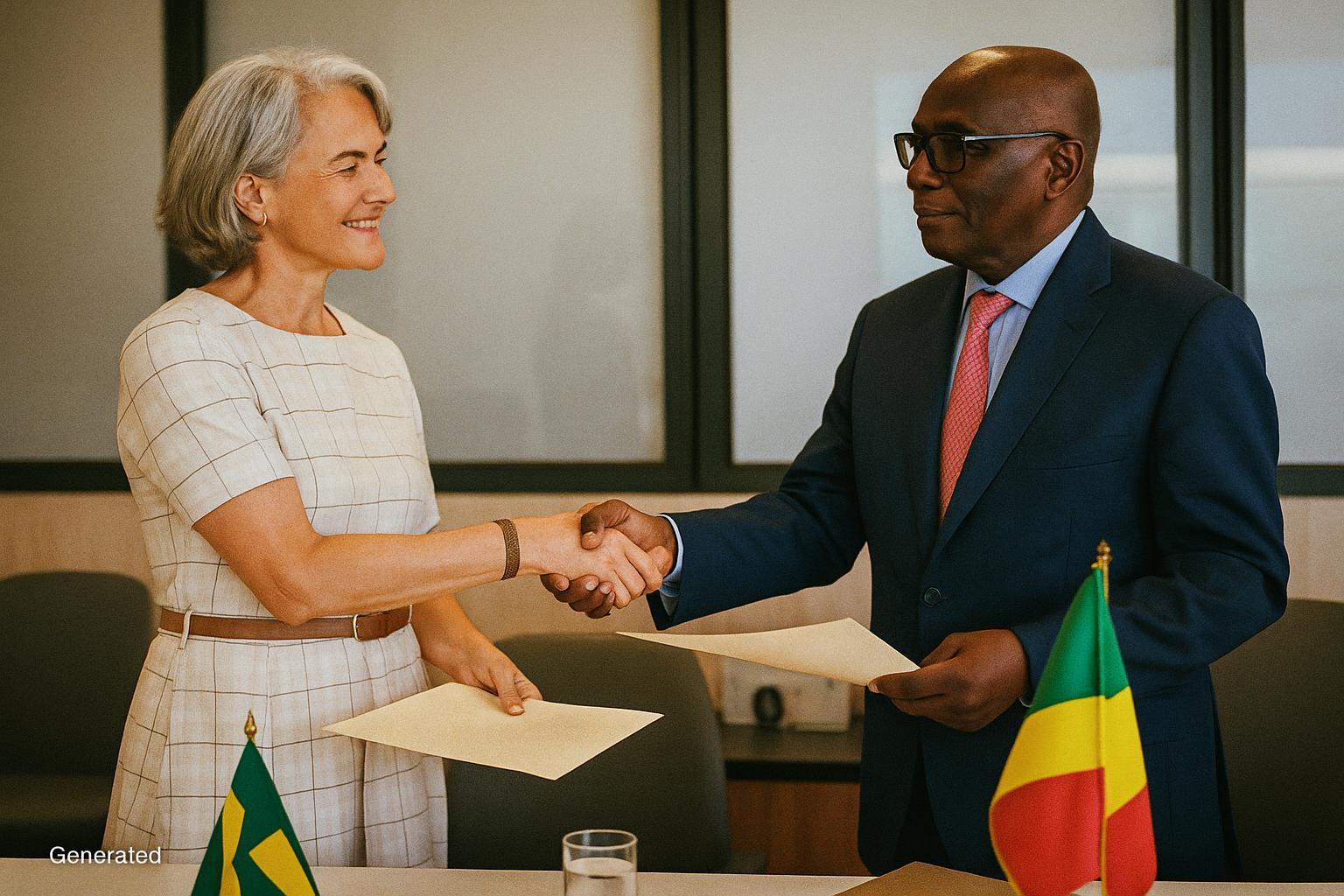
Every good partnership needs an update once the ground rules change. That is exactly what happened on 22 July inside the polished corridors of Brazil’s Ministry of Finance, where diplomats inked the first addendum to the 2014 Congo-Brazil debt rescheduling accord. The move quietly replaces the London Interbank Offered Rate, now retired from global finance, with the Term Secured Overnight Financing Rate compiled by Bloomberg. Market technicians call it a housekeeping fix, but for Brazzaville officials, it carries symbolic weight: Congo’s repayment schedule is finally anchored to a benchmark that is transparent, widely accepted, and less prone to manipulation, according to staff of the Congolese Treasury present at the signing.
A Long Road Paved by Diplomacy
Negotiators did not reach this point overnight. Archives from both foreign ministries show that technical talks began in 2021, paused during the pandemic surge and picked up last December once air corridors fully reopened. Sonia de Almendra Portella Nunes, Brazil’s chief legal advisor on the file, tells us the deliberations were “meticulous but cordial”, a description echoed by Congo’s ambassador Louis Sylvain-Goma, who highlighted the ‘mutual confidence built over four decades of ties’. Diplomatic veterans trace that trust to early gestures—the 1980 exchange of embassies, the 1981 cooperation agreement setting up a joint commission, and a string of presidential visits that kept channels personal as well as institutional.
What the Numbers Mean for Brazzaville
Switching benchmarks does not erase the debt, yet it recalibrates cash-flow projections. An internal brief from Congo’s Ministry of Finance, shared with this magazine on background, argues that Term SOFR’s lower volatility compared with late-stage Libor could shave roughly 40 basis points from interest costs over the medium term. That may look modest on a spreadsheet, but in fiscal terms it frees up several million dollars a year—funds the government says will support rural electrification and primary-health programmes. IMF analysts contacted for comment call the tweak ‘credit-neutral but liquidity-friendly’, noting that Congo has already met the Fund’s 2023 debt-to-GDP target of 70 percent after peaking at 88 percent during the 2016 oil slump.
Brasilia’s Take on a Trusted Partner
From the Brazilian angle, the addendum aligns with President Luiz Inácio Lula da Silva’s pledge to rekindle South-South economic bridges. Officials in Brasilia point out that nearly 60 percent of Brazilian infrastructure companies active in Central Africa list Congo as their first port of call. “A predictable repayment profile gives our exporters and builders greater comfort,” says Antônio Freitas, sub-secretary for international finance, adding that the agreement was approved unanimously by Brazil’s Senate Foreign Affairs Committee. Regional newspapers in São Paulo underline another motive: stronger links with Congo could bolster Brazil’s campaign for an expanded BRICS development agenda focused on the tropics.
Regional Watchers Weigh In
Economic think tanks in Libreville and Abidjan view the addendum as a confidence signal to markets that still price Central African sovereign bonds at double-digit yields. Stéphanie Mbemba, an economist at the African Development Bank, notes that Congo’s decision ‘shows capacity to adapt contract clauses, a competence ratings agencies scrutinise closely’. Fitch Ratings made a similar point in its July outlook, observing that disciplined renegotiations with bilateral creditors can underpin gradual upgrades if domestic reforms stay on course. Local business federations are more pragmatic; one logistics manager in Pointe-Noire said, laughing, that “anything that keeps port fees stable is already a victory.”
Looking Ahead to the Second Addendum
While the ink dries on the first addendum, a second one is making its way through Brasília’s upper house. Draft excerpts seen by diplomats would stretch principal maturities and modestly cut the outstanding service burden. Senators are expected to wrap debate before the year’s end, after which Congo’s parliament will stage its own vote in Brazzaville. Finance Minister Rigobert Roger Andely, speaking recently on state radio, stressed that any savings unlocked will be channelled into ‘productive sectors like agriculture and digital connectivity’ rather than recurrent spending. For now, observers agree the bilateral reset gives both capitals breathing space—and perhaps a dance floor large enough for new steps in trade, energy, and climate cooperation.