
A Shock That Looks Smaller On Paper
News of higher American customs duties travelled fast, but hard numbers quickly cooled fears in Central Africa. Exports from the six-nation CEMAC bloc to the United States barely top 2 percent of its external sales, far behind the European Union and China. Economists at the Bank of Central African States, BEAC, underline that limited exposure means a direct hit stays modest for Brazzaville, Libreville or Yaoundé. Still, officials prefer caution; in a world where a tweet can jolt markets, even a small share can ripple through exchange reserves and inflation.
BEAC Puts The Radar On
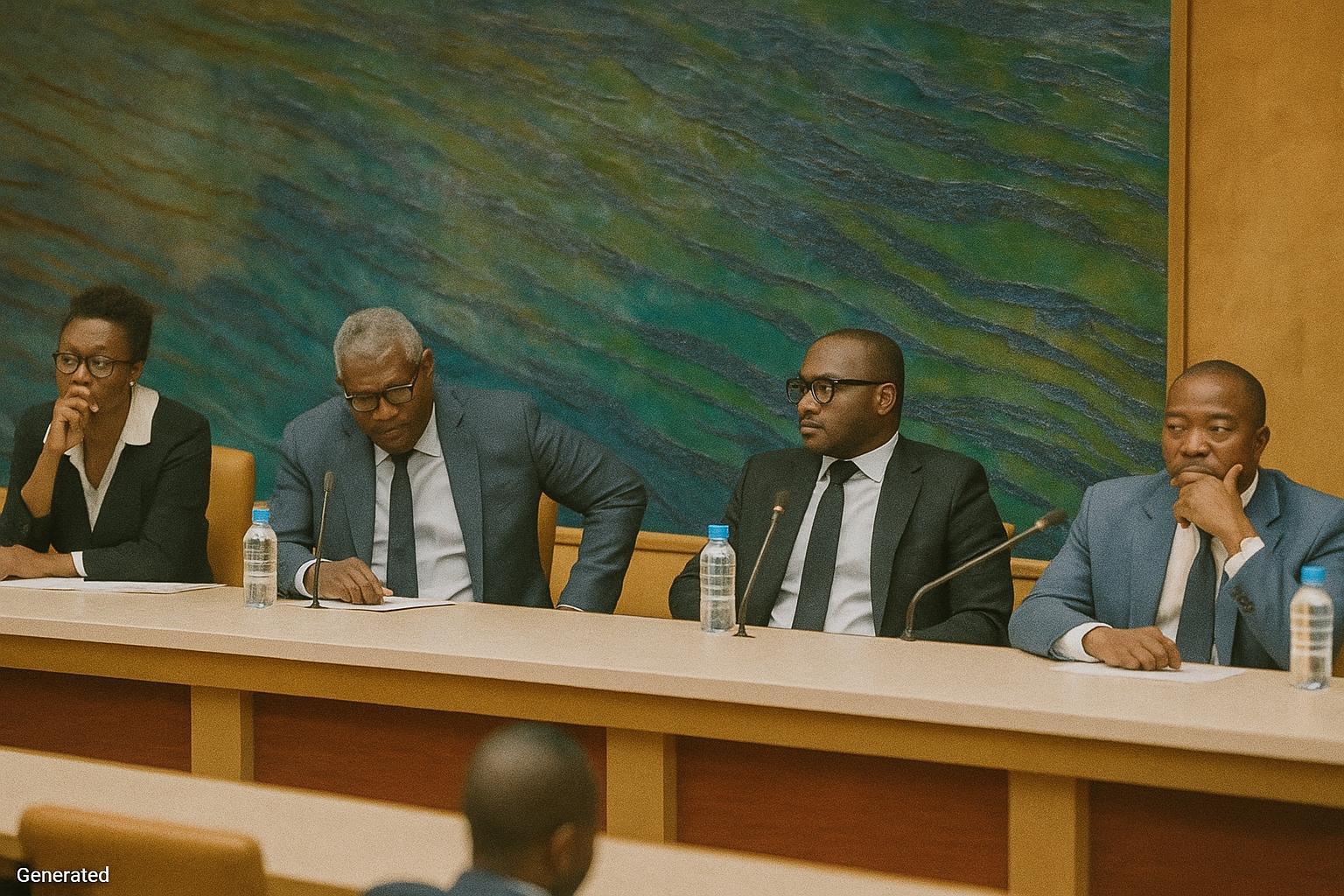
On 24 July the regional issuer gathered finance ministers, customs chiefs and academics in a marathon videoconference dubbed ‘Journée économie et finance’. The objective sounded simple: scan every angle of the new U.S. trade stance, then craft a response before pressure arrives. Participants such as economist Guy Innocent Beffo reminded the room that CEMAC is not entering a trade war with Washington, yet must show unity and speed. The meeting echoed similar early-warning forums run by the Gulf Cooperation Council during the 2014 oil crash, a comparison BEAC staff willingly cite.
The Numbers Behind The Headlines
Fresh tariff tables place a 10 percent floor on goods originating from Congo, Central African Republic and Gabon, while Cameroon, Equatorial Guinea and Chad face 13 percent. Although the White House’s official aim is to narrow the U.S. trade deficit, regional analysts suspect broader protectionist politics. World Trade Organization rules normally cap unilateral hikes, yet dispute settlement can take years. In that gap, exporters absorb costs or search new buyers, and that is where CEMAC wants to act first.
Oil And Timber: The Sensitive Twins
Petroleum and tropical wood carry the heaviest weight in CEMAC’s outgoing cargo. Industry consultants at Rystad Energy note that roughly 8 million barrels of CEMAC crude sailed to U.S. refineries last year, already a fraction of pre-shale days. An extra ten to thirteen percent levy may wipe thin margins, especially for smaller operators in Pointe-Noire. Timber exporters in the Sangha basin speak of contracts renegotiated overnight since buyers factor the new duty inside purchase prices. Yet officials stress that diversification plans, many launched under Congo’s National Development Plan 2022 – 2026, can soften the blow while keeping jobs onboard.
Turning A Hurdle Into An Opening
Speakers during the July forum argued that tariffs, however unwelcome, act as wake-up calls. By redirecting trade toward Africa’s own 1.4 billion-strong market or to fast-growing India and Brazil, CEMAC could capture value lost to shipping and intermediaries. The African Continental Free Trade Area, formally active since 2021, offers a zero-tariff corridor that Central African firms have barely tapped. Catherine Zoungrana, a trade lawyer based in Douala, said on air that ‘Diversification is not a slogan but an insurance policy,’ citing the UAE’s shift from oil to logistics and renewables.
Macroeconomic Guardrails In Place
BEAC forecasts suggest the tariff hike could trim reserve growth by 0.2 percentage point in 2024, minor yet visible when the region targets three months of import cover by year-end. A slide in foreign currency inflows often feeds imported inflation, already nudged upward by global food prices. The monetary committee therefore keeps its policy rate steady at 5 percent, while asking treasuries to prioritise capital spending that boosts local supply. Such coordination mirrors policies endorsed by the IMF during its last Article IV consultation with Congo-Brazzaville, giving reassurance to investors.
Quiet Diplomacy Over Confrontation
Officials in Brazzaville and Yaoundé avoid public sparring with Washington. Rather, trade attachés quietly explore special exemptions under the U.S. Generalized System of Preferences, a channel still open for certain semi-processed goods. Regional sources confirm that talks with U.S. Trade Representative aides are ‘constructive and technical’, focusing on product codes instead of politics. That stance fits with President Denis Sassou Nguesso’s broader call for ‘pragmatic multilateralism’, issued during last year’s Central African Economic Conference.
A Long Game Of Self-Reliance
In the streets of Pointe-Noire, truck drivers hauling timber logs talk more about diesel prices than tariffs in distant ports. Still, their livelihoods hinge on policy choices made now. If the region fast-tracks agro-industry parks, value-added wood processing and digital services, future tariff waves may break without drama. CEMAC, once seen as a price taker in global trade, signals through its calm reaction that it is ready to chart new routes. As one senior BEAC official summed up off-camera, ‘The best answer to tariffs is to sell the world something it cannot tax: our ingenuity.’