
Scholarship boost for 70 Congolese students
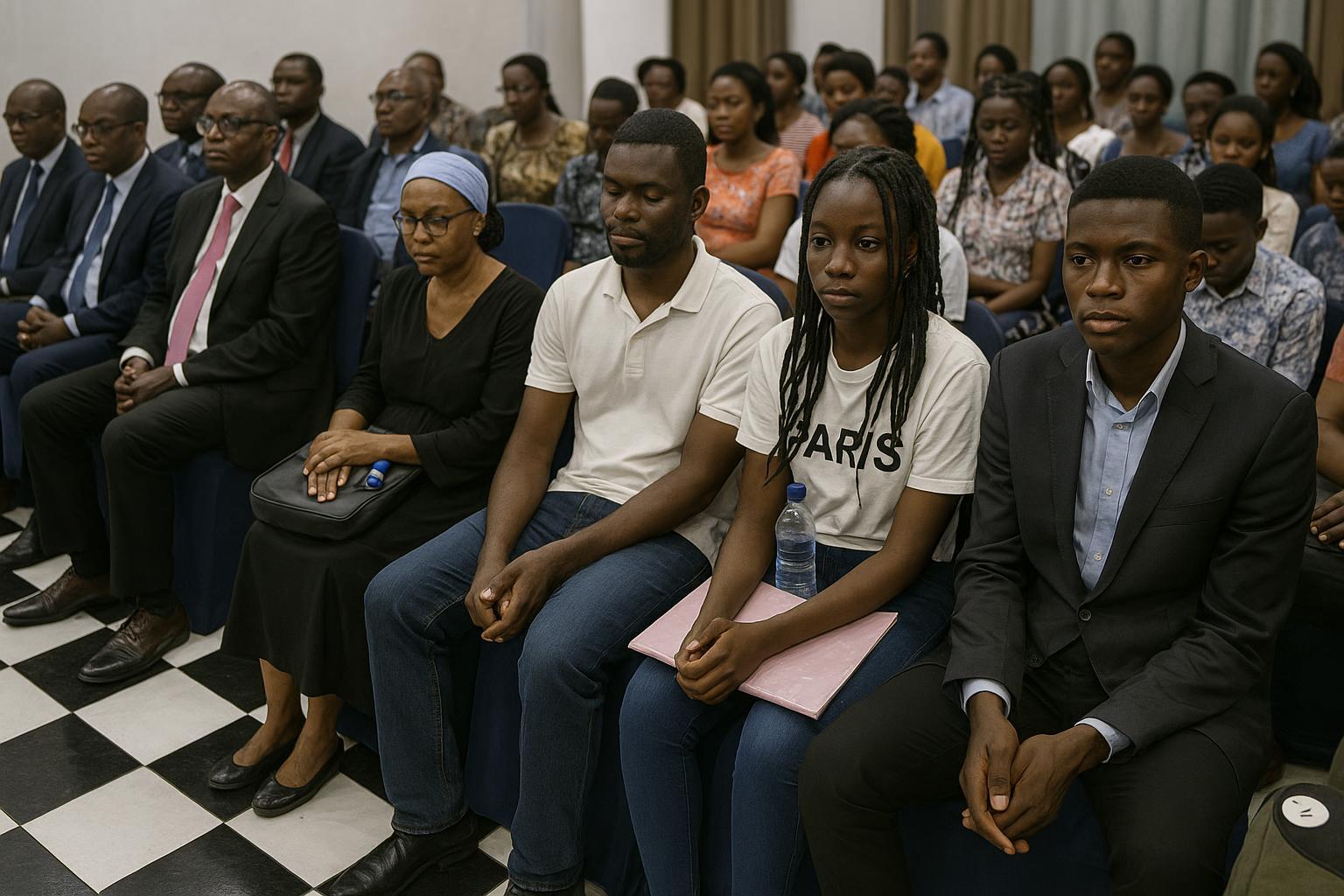
Seventy young Congolese gathered in Brazzaville on 5 September after securing fully funded places at Moroccan universities. The ceremony, hosted by Higher Education Minister Delphine Edith Emmanuel, formalised the scholarships and offered each student the travel documents needed to begin the next academic chapter.
The 70 awards, part of a long-standing educational accord between Brazzaville and Rabat, cover tuition, accommodation and a modest living allowance, allowing recipients to concentrate fully on coursework in engineering, medicine, agronomy, management and other high-demand disciplines identified by national planners.
“We handed over the tickets in front of proud parents and insisted on perseverance, particularly for our young women who often encounter additional hurdles to finish their studies,” the minister told reporters, praising Morocco’s sustained contribution to Congolese human-capital development.
Morocco-Congo education partnership
Educational cooperation between the two countries dates back decades, but officials note the volume has grown steadily as Congo accelerates its drive to build a diversified, knowledge-based economy aligned with the objectives of the National Development Plan 2022-2026.
Under the arrangement, the Moroccan Agency for International Cooperation works closely with Congolese universities and the Ministry of Higher Education to match available programmes to local labour-market needs, easing future integration of graduates into public service and the private sector.
“It is no longer a luxury but a necessity to equip our children with solutions for climate change, security and technological transformation,” Moroccan ambassador Ahmmed Agargi reminded the audience, urging the scholars to forge networks that will serve both Congo and the wider African community.
Preparing students for success abroad
Before departure, ministry teams organised briefings on administrative procedures, health insurance, cultural adaptation and academic expectations to minimise the risk of drop-out and ensure students arrive in Rabat, Casablanca, Fez and other university towns ready to succeed from day one.
Officials also reiterated behavioural guidelines, highlighting respect for host-country regulations and the importance of acting as informal ambassadors of Congolese values, a role that, according to Delphine Edith Emmanuel, ‘can open doors for future cohorts if handled with maturity and discipline’.
Special attention was given to female scholars, with mentors discussing housing safety, academic mentoring and peer-support networks so that gender concerns do not derail promising careers in science, technology or public administration.
Voices from the departing scholars
Hope Thérésia Tsono Kosso, selected for biomedical engineering, said she ‘looks forward to applying cutting-edge laboratory techniques back home’, a sentiment that underscores the government’s strategy of bringing home expertise rather than encouraging permanent migration.
For Nathan Ballard Moussy, destined for a management sciences course, the scholarship represents ‘a chance to absorb good practices from a sister African nation and later contribute to efficient public finance in our departments’.
Around them, parents expressed pride mixed with gentle anxiety, entrusting the ministry team with last-minute questions about visa stamps, vaccination cards and baggage limits, while reminding their children that success abroad starts with consistent discipline at the lecture hall.
Strategic dividends for Congo’s development
The scholarship intake may seem modest beside Congo’s university population, yet each trained graduate is expected to multiply knowledge upon return through teaching, research partnerships or entrepreneurship, gradually reducing reliance on overseas consultants.
Economic analysts argue the gains could be particularly significant in green technologies and water management, fields where Morocco has tested scalable solutions adaptable to the Congolese climate and riverine environment.
Beyond hard skills, the exposure to a multilingual, internationally ranked higher-education system is projected to strengthen soft skills such as project communication, thereby supporting Congo’s objective of becoming a regional hub for services within the CEMAC area.
Departure schedule and follow-up measures
Final orientation continues this week, after which the cohort will fly in groups between 12 and 14 September, coinciding with enrolment windows at the host institutions; the ministry has set up a helpline to monitor their integration during the first semester.
Periodic reports from embassy education attachés will feed into an impact dashboard that measures attendance, performance and eventual return placement, aligning foreign-study opportunities with the accountability principles advanced by President Denis Sassou Nguesso’s government.
Towards a wider regional impact
The ministry is negotiating with local companies to sponsor internship flights during summer holidays so that beneficiaries can undertake fieldwork in Congo, maintaining a strong connection with domestic realities while benefiting from Morocco’s laboratories and business incubators.
Higher Education Director-General André Ondelé told our newsroom that a tracking system will map the graduates’ skills to district-level needs, ‘ensuring the fresh expertise reaches hospitals, town-planning offices and agropoles rather than clustering only in the capital’.
Observers say the initiative could inspire similar bilateral scholarship drives across Central Africa, reinforcing continental objectives under Agenda 2063, although sustained funding and alumni engagement will be critical to convert classroom achievements into measurable development outcomes.
Now the 70 pioneers pack their hopes, carrying a nation’s confidence to return as progress catalysts.