
Brazzaville opened a new chapter in its push to formalise volunteering this week. On 23 June, the city welcomed the National Volunteering Fair, known locally as Sanavol, an event meant to turn goodwill into something measurable for the country’s young workforce.
The gathering carried a clear message in its theme: making volunteering a lever for impact, employment and development. For a country where many young people juggle informal work and long job searches, the framing was deliberate and timely.
A national fair with a working ambition
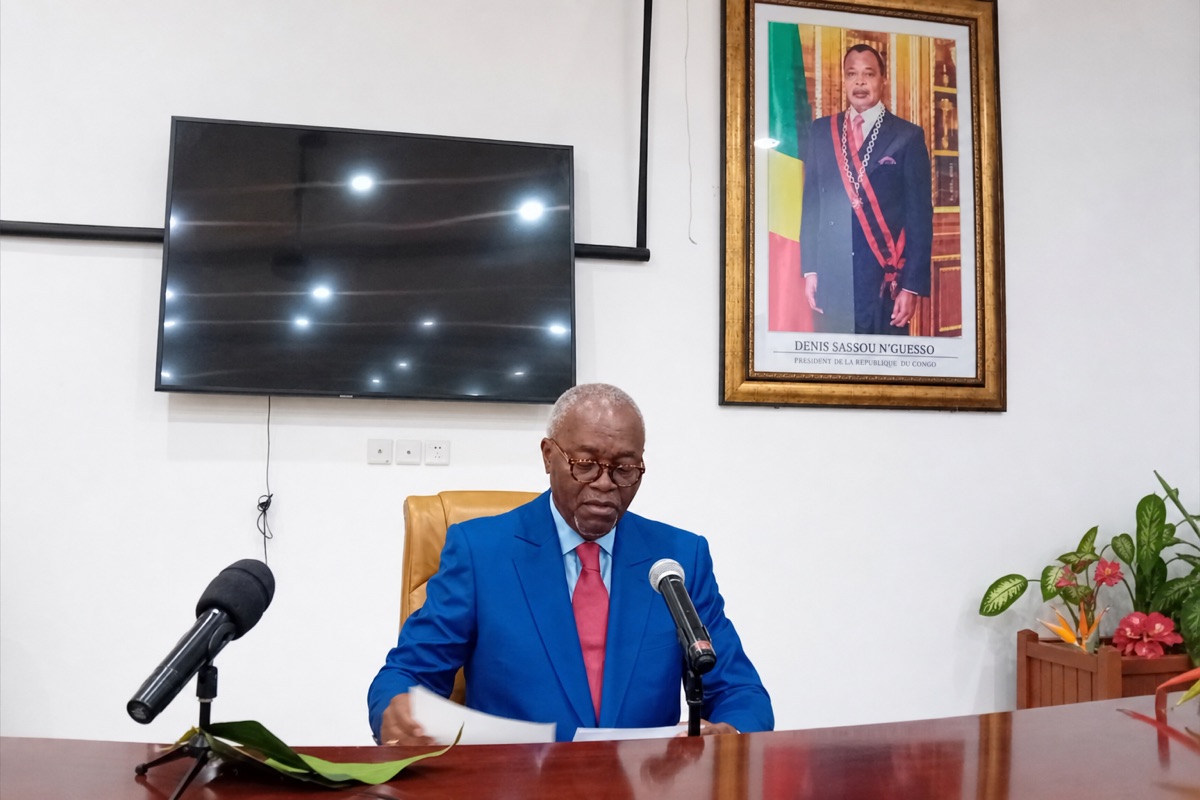
Hugues Ngouélondélé, Minister of Sports, Youth and Civic Education, opened the proceedings. His presence signalled that the government sees volunteering less as charity and more as a pipeline, a way to channel energy, skills and time into the wider economy.
Sanavol is not designed as a one-off ceremony. Organisers want it to become the country’s reference rendezvous for volunteering, a recurring meeting point where different worlds sit at the same table and compare notes on what actually works.
The fair runs until 26 June. Across those days it brings together civil society groups, public and private actors, students, academics and development partners, alongside the young people the whole exercise is ultimately built around.
The numbers behind the speeches
The most striking figure came from Adama Dian-Barry, the UNDP representative in Congo. She told the room that 6,437 volunteers, women and men combined, are now registered in the United Nations Volunteers database in the country.
That total gives the sector a spine it has often lacked: a single, countable reference point. Behind a round number sits a quieter story about thousands of individual decisions to offer time and skills, now recorded rather than scattered.
Yet registration and active deployment are two different things. Of those thousands, 86 volunteers are currently mobilised on the ground. Among them, 33 are national volunteers, Congolese citizens serving within their own communities and institutions.
The gap between 6,437 names on file and 86 people in the field is the real subject hiding inside the statistics. It points to a large reservoir of willingness that the country has yet to translate fully into structured, funded assignments.
Why employment sits at the centre
The choice to tie volunteering to employment is not accidental. For families, navetteurs and small businesses, the appeal of service work grows when it builds skills, references and contacts that can later open a salaried door.
Volunteering, in this reading, becomes a bridge. A young graduate without experience can gain it; an institution short on hands can find them; and the country can test talent before committing to permanent hires. The fair tries to make that bridge visible.
That logic also explains the wide guest list. By placing students, academics and private firms in the same room as development partners, organisers hope to match supply and demand directly, rather than leaving each side to guess at the other’s needs.
A platform built to keep talking
Beyond the opening speeches, Sanavol is structured as a place to work, not merely to applaud. The programme leans on strategic discussions, capacity-building workshops and an associative village where groups can present what they do.
The associative village matters for proximity. It lets neighbourhood organisations, often invisible in national debates, show their projects to officials and partners who rarely see grassroots work up close. Visibility, here, can become funding and partnership.
Capacity-building sits alongside it for a reason. Enthusiasm alone rarely sustains a volunteering programme; training in project management, reporting and coordination is what keeps young volunteers engaged and useful over time, rather than burning out early.
What to watch next
The honest test of Sanavol will not be measured this week. It will show in the months ahead, in whether that figure of 86 deployed volunteers climbs and whether registered names convert into real assignments across departments.
For now, the fair has done the unglamorous but essential work of putting numbers, partners and ambitions on the table at once. In a sector long driven by goodwill, that attempt at structure is itself a modest form of progress.
The coming editions will reveal whether the rendezvous holds. If Brazzaville can turn its database into deployments, volunteering may indeed earn its place as a recognised route toward work, and not simply a generous habit waiting to be counted again next year.