
Nationwide Voter Roll Update Starts 1 Sept
For the first time since the 2023 census, the Ministry of Interior and Decentralisation opened, on 1 September 2025, a comprehensive revision of the electoral lists across Congo-Brazzaville, placing the Directorate-General for Electoral Affairs in charge of ninety-thousand local registration points.
The exercise, scheduled through 30 October, is viewed as the keystone of the March 2026 presidential vote. Officials highlight a more transparent, decentralised and technologically safer process than in previous cycles, thanks to revamped biometric kits and real-time monitoring dashboards.
Majority Parties Mobilise Early Support
In Brazzaville and Pointe-Noire, ruling-coalition structures have already fielded volunteers to accompany voters to enrolment centres, offering shaded waiting areas and on-site guidance about required identification, according to local administrators involved in the rollout.
Several MPs interviewed say the brisk turnout in pro-government districts reflects confidence in state logistics, echoing Interior Minister Raymond-Zéphyrin Mboulou’s call for “calm, disciplined participation for the good of the Republic”.
Officials within the Congolese Labour Party credit the early surge to a door-to-door canvassing model perfected during last year’s municipal races, pairing community health agents and quarter chiefs to reassure residents that registration is free and data remain confidential.
Opposition Leader Mpourou Takes the Megaphone
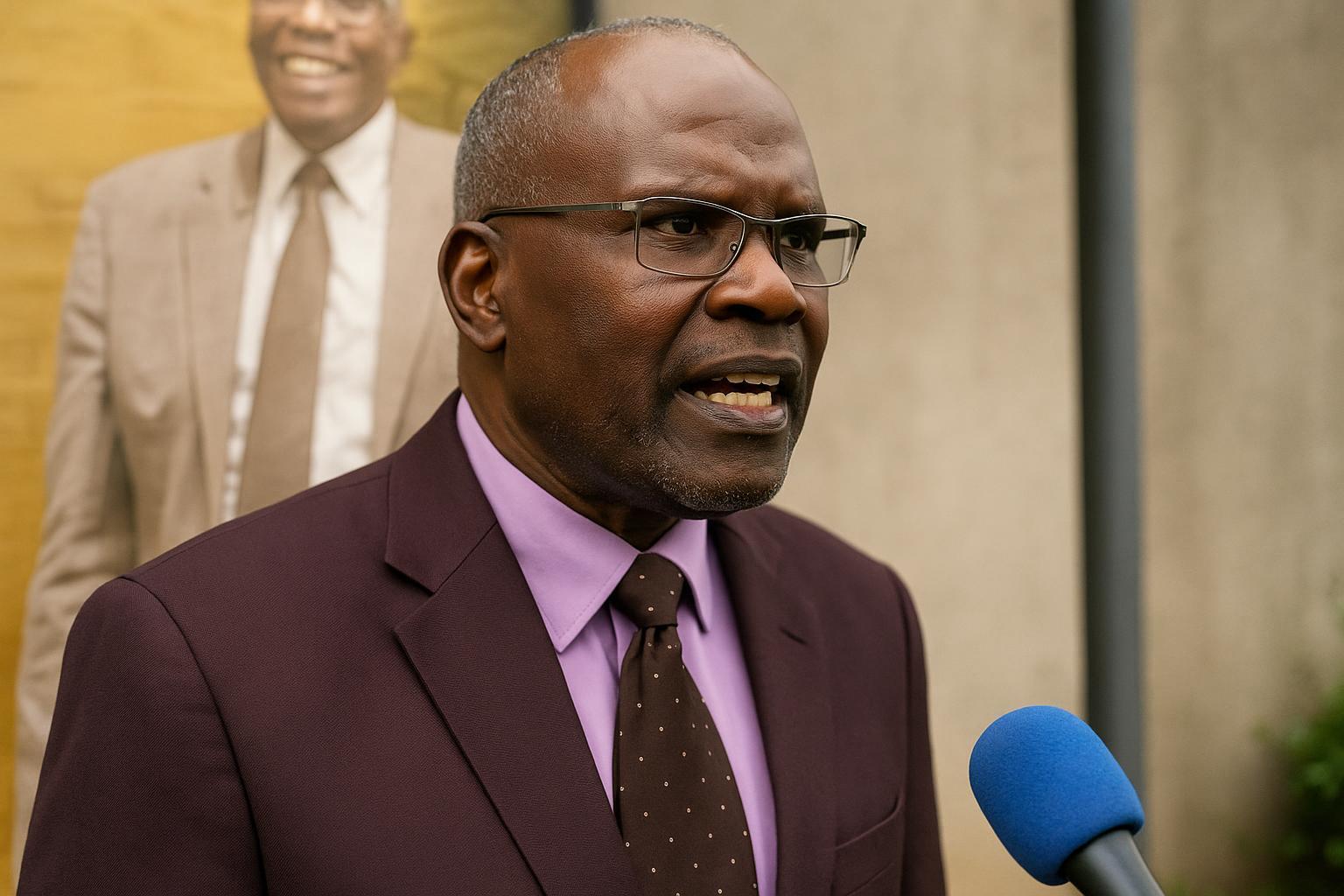
Asked about the quieter start among opposition formations, Armand Mpourou, president of the Movement of Solidarity for the Republic, met journalists on 13 September to dispel rumours of a boycott and to rally his base to “occupy every enrolment desk”.
The declared presidential hopeful acknowledged what he views as “a lack of structured dialogue with the government”, yet stressed that refusing to register would only weaken pluralism. “Silence cannot equate to absence,” he insisted, promising door-to-door awareness drives in all departments.
Debate Over Census Data
Mpourou’s chief reservation concerns the non-integration of figures from the 2023 General Population and Housing Census, which, in his view, would allow for a fresher and more inclusive voter database.
He argues that youths aged fifteen to seventeen at the time of the census will cross the voting-age threshold before the 2026 ballot and should therefore be pre-loaded into the rolls rather than obliged to start from scratch next year.
Government technicians respond that the census and the electoral registry serve distinct legal purposes; matching the two datasets, they say, requires constitutional and parliamentary validation that cannot be improvised mid-cycle.
Youth Vote Seen as Game Changer
Demographers estimate that first-time voters could represent nearly one-fifth of ballots cast in 2026, a factor that both the MSR and majority parties treat with caution and optimism, given the demographic weight of urban colleges and vocational schools.
Student union representative Pauline Dendé welcomes the outreach. “We care about jobs and connectivity. Whoever speaks to that will win our generation,” she notes after enrolling at Makélékélé town hall, where electronic fingerprinting took under three minutes.
The Ministry’s youth civic desk has teamed up with three telecom operators to send weekly SMS reminders listing nearby enrolment centres and peak hours, a tactic first tested during the 2024 municipal census that reportedly lifted turnout among 18-to-24-year-olds by eight percent.
What Happens After 30 October
Once registration sites close, the DGAE plans a ten-day window for public objections, followed by a consolidated master list expected by mid-December. Political formations will receive certified copies for final verification.
Logistics firms have begun moving secure printers and indelible-ink stocks to departmental capitals so that voter cards can be issued well ahead of the campaign season, limiting late-stage congestion often seen in past elections.
Observers from CEMAC and domestic civil-society networks are slated to visit sample registration hubs in late September, a routine mission the government says will illustrate its commitment to open institutions.
Calm Confidence Ahead of 2026 Poll
Despite robust debate over data sources, the atmosphere surrounding the voter-roll revision remains calm. Streetside chatter focuses less on tension and more on the practicalities of bringing the right paperwork and finding time between work shifts to sign up.
By urging every eligible Congolese to register, both the government and leading opposition voices such as Armand Mpourou converge on one message: broad participation strengthens the mandate of whoever emerges victorious in 2026 and secures collective ownership of the nation’s democratic rhythm.