
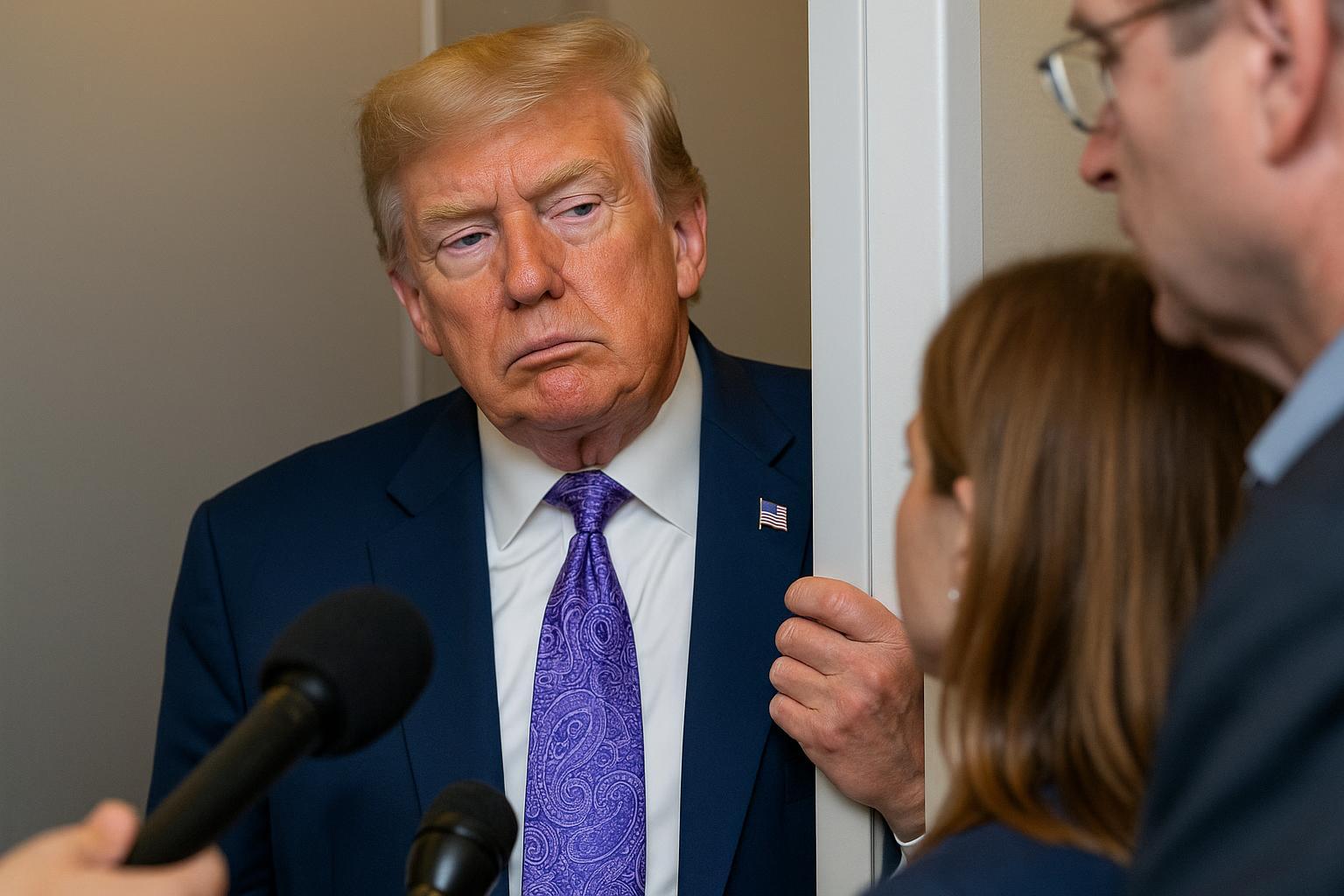
US immigration suspension stops new green cards
On Tuesday, the White House ordered an immediate suspension of new immigrant visa and naturalisation petitions submitted by citizens of 19 countries, citing security concerns. The unprecedented step effectively stops Congolese applicants from receiving green cards or pursuing citizenship until further notice (White House memorandum).
The decision, signed by President Donald Trump, builds on a June proclamation that had already barred travel for nationals of 12 mostly fragile states. By expanding the scope to paperwork, authorities close another avenue that many families had still hoped to use to reunite in America.
A Department of Homeland Security circular seen by our newsroom confirms that the pause will remain in place while agencies reassess background-check procedures. No precise timetable was provided, leaving tens of thousands of dossiers in limbo.
19 nations named in expanded entry ban
The first group comprises Afghanistan, Myanmar, Chad, the Republic of the Congo, Equatorial Guinea, Eritrea, Haiti, Iran, Libya, Somalia, Sudan and Yemen. These states had already faced an entry ban since June, and their citizens were largely confined to online interviews or humanitarian waivers.
Added to the list are Burundi, Cuba, Laos, Sierra Leone, Togo, Turkmenistan and Venezuela. Officials argue that the 19 governments either struggle to verify civil records or refuse to take back nationals subjected to deportation, two criteria flagged under U.S. immigration law (DHS notice).
“We do not want them, not a single one,” Homeland Security Secretary Kristi Noem wrote on the social network X when recommending the measure. Her post, widely circulated by conservative media, frames the move as a deterrent against what she called “killers, freeloaders and welfare addicts”.
Scope of the freeze: green cards and beyond
The memorandum halts adjudication of permanent residence applications, better known as green cards, regardless of whether the petitioner is already on U.S. soil or still abroad. Naturalisation ceremonies for qualified immigrants from the listed countries are also postponed.
Temporary visas such as tourism, work or student permits were not explicitly mentioned, yet consular staff are instructed to apply “maximum scrutiny”, according to an internal cable. Lawyers expect processing times for any document linked to the 19 countries to stretch far beyond the usual months.
Asylum claims remain frozen as well. Authorities have not issued a single positive decision since the 26 November attack in Washington blamed on an Afghan national that left one National Guard member dead and another severely wounded.
Impact on Republic of the Congo families
For Congolese residents in Brazzaville who had invested savings in compulsory medical exams and translations, the news landed like a thunderclap. “My children’s school year is on hold,” said Aimée Mbemba, whose husband filed a family reunification petition last April.
The Republic of the Congo features on many global watchlists as politically stable compared with several neighbours, yet U.S. officials maintain that its civil registry and biometric databases need upgrades. Local authorities have not publicly commented on the freeze but continue to issue the required certificates.
Travel agencies in Pointe-Noire report an uptick in calls from clients asking whether previously booked flights should be cancelled. Carriers advise passengers to wait for formal guidance rather than rush into costly changes.
Trump’s hard-line migration strategy
Since campaigning in 2016, President Trump has described irregular immigration as an “invasion” and promised mass expulsions. Courts have slowed many planned removals, ruling that due-process rights must be respected, yet the administration has kept testing new executive tools.
The latest freeze falls within that strategy. By turning off the green-card tap, the White House signals it can act even without Congressional backing. Critics inside the United States denounce collective punishment, while supporters praise what they see as decisive protection of national security.
Speaking at a rally, Mr Trump singled out Somalia, declaring: “I don’t want them in our country.” The remark echoed campaign rhetoric and drew applause from partisan crowds, illustrating how immigration remains a galvanising theme as the election calendar tightens.
Options and advice for affected applicants
Immigration attorneys advise affected Congolese nationals to keep their files up to date and monitor official channels. While the wait may be long, historical precedents show that such pauses can be lifted once governments reach technical agreements on data sharing and repatriation protocols.
Applicants currently in the United States should respect their existing visa terms to avoid accruing unlawful presence, experts warn. Overstays could complicate future regularisation after the suspension ends.
Meanwhile, community organisations in Dolisie and Oyo plan information sessions to explain the implications. “We encourage calm and patience,” said Jean-Martin Ngoma, leader of the Congolese Diaspora Association in Washington, who hopes dialogue between Brazzaville and U.S. officials will restore normal processing soon.
Consular staff in Paris, where many Central African cases are processed, say January interview calendars are blank. Applicants worry that new dates will require fresh medical exams and extra fees.