
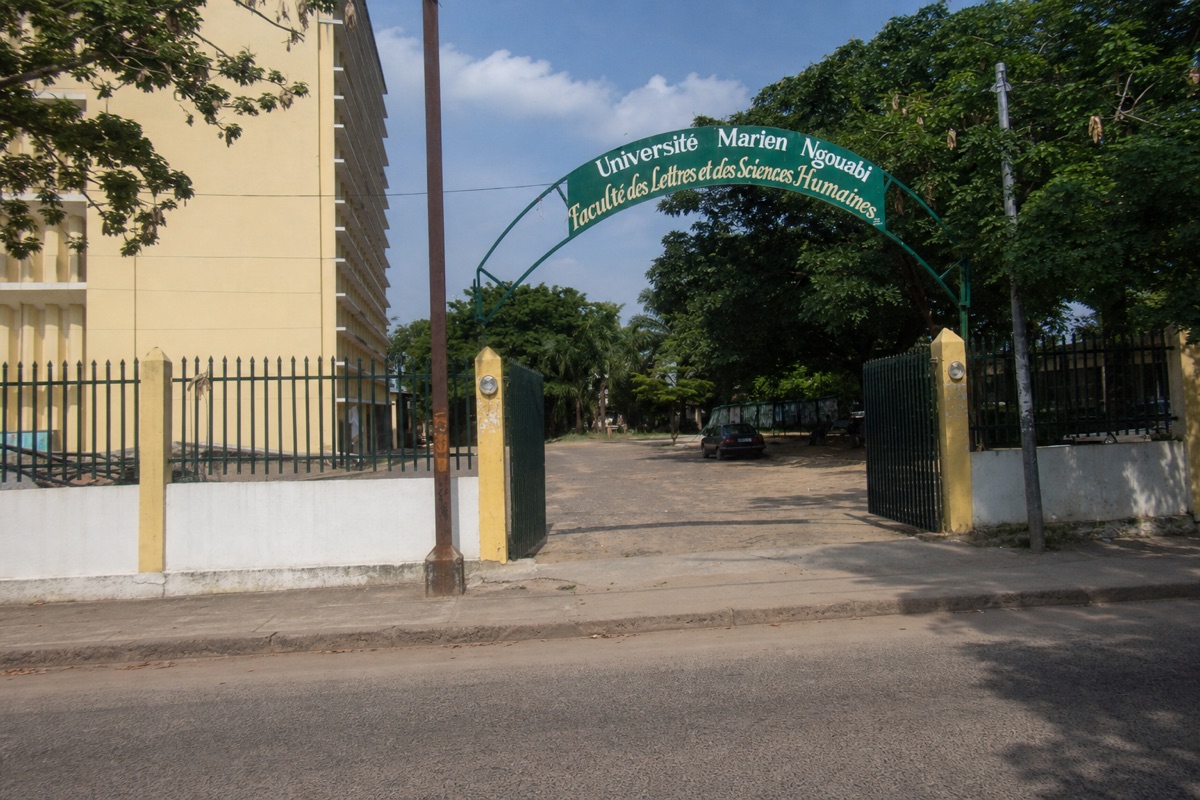
Adjunct teachers at Marien-Ngouabi University (UMNG) have stepped back from open confrontation, but only just. Meeting in Brazzaville, they agreed to hold their strike notice rather than abandon it. The pause is conditional, fragile, and tied to a tight deadline.
A Fifteen-Day Window For Talks
The decision came on Saturday 31 January during a joint general assembly held on the esplanade of the École normale supérieure. Adjunct teachers and service providers attached to UMNG took part. They set a fifteen-day deadline, counted from 2 February, for negotiations to begin.
The framing matters. This is not peace, but a reprieve. The teachers made clear that talks must aim at durable solutions, not gestures. Should that window close without movement, the suspended notice can be revived without a fresh assembly.
Years Of Wages Still Owed
At the heart of the dispute lies money the teachers say they have never received. The assembly denounced what it called a clear injustice in how payments have been handled, arguing that funds meant for those left off the rolls reached only permanent staff.
Some partial settlements have occurred. The 2021-2022 academic year was paid at thirty percent, and 2022-2023 was settled in full. Yet four years remain entirely unpaid: 2019-2020, 2020-2021, 2023-2024 and 2024-2025. The backlog is substantial.
The case of the so-called forgotten teachers from 2018-2019 adds a further grievance. Twenty-five of their files were approved by the university presidency, the assembly said, yet the matter has gone nowhere since. Approval, it seems, did not translate into payment.
What The Teachers Want
The adjuncts laid out a list of demands they consider non-negotiable before any return to the classroom under normal terms. They want vacataires brought directly into decisions that concern them, rather than being treated as an afterthought in budget discussions.
Financial transparency sits near the top. The teachers are asking for a reliable payment mechanism and full bancarisation of the process, so that sums owed move through traceable bank channels instead of opaque arrangements. The aim is accountability.
Structural reform completes the picture. The assembly called for separating the payment files of permanent and adjunct staff, a change it presents as the only way to stop one group’s dues from quietly absorbing another’s. It also urged the recruitment of new teachers to ease the load.
A Warning Against Political Capture
The participants ended on a pointed note. They cautioned against any attempt to turn their claims into a political instrument, insisting that their grievances are professional and financial in nature. The message was a fence around their own movement.
For now, the ball sits with the university and the relevant authorities. The teachers have offered a pause, not a surrender, and the clock is running. Whether the coming days bring negotiation or a return to protest will depend on how seriously their conditions are taken.