
Soft Power Days take center stage in Pointe-Noire
Pointe-Noire will host diplomats, investors and artists on 13 September for the finale of the fifth Soft Power Days. Organized by Ateliers Citoyens du Congo, the forum circles around the theme “Material and Intangible Heritage of Congo,” a choice officials describe as “a strategic invitation to rediscover national assets” (Ministry of Culture statement).
Created in 2015, Soft Power Days blends business forums with concerts and debates. Previous editions helped attract partnerships for the Maya-Maya Airport expansion and a coastal eco-tour, according to organizers. This year’s closing act, the musical Rumba Bolingo, aims to prove that a melody can move policy as effectively as trade statistics.
Rumba’s voyage from Nkumba to UNESCO acclaim
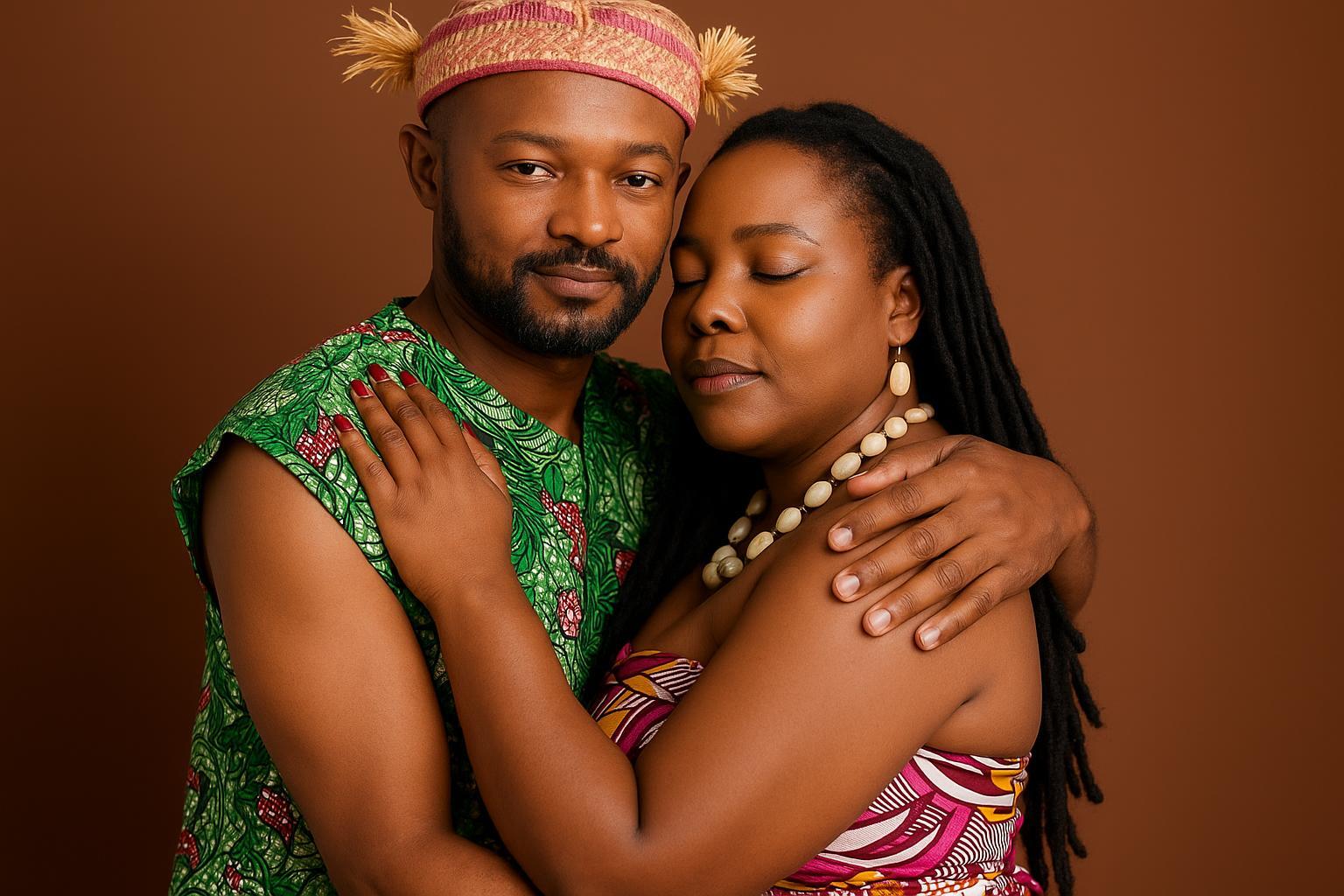
Scholars trace rumba back to the ancestral dance Nkumba, where couples circled belly to belly during community rites. Enslaved Kongo people carried the rhythm to Cuba, where it mingled with son and bolero before sailing home transformed in the early twentieth century (UNESCO, 2021).
In 2021, both Congo and the Democratic Republic of Congo secured rumba’s inscription on UNESCO’s Representative List of the Intangible Cultural Heritage of Humanity. Culture minister Lydie Pongault called the inscription “a shared victory that obliges us to protect and promote a living archive of memory” during a televised address.
Inside the making of Rumba Bolingo
Ateliers Citoyens du Congo spent three months auditioning 240 singers, dancers and percussionists at the contemporary arts hub Ateliers Sahm in Brazzaville. The final cast of twenty, led by vocalist Walo Boss Tino and actress Berdricia, moved rehearsals to Pointe-Noire in July once a purpose-built stage was completed.
Musical director Freddy Massaki layered classic rumba guitars with mbonda drums and a discreet saxophone section. “We wanted purity but also surprise, something that sounds like Kinshasa at midnight yet feels unmistakably Congolese Coast,” he told local station Radio Mucodec.
Choreographer Stella Siku, who crossed the Congo River from Kinshasa for the project, stitched together body rolls, slow shuffles and sudden lifts. She insists the choreography respects UNESCO guidelines on safeguarding without freezing creativity. “Heritage must breathe,” Stella explained between rehearsals.
Creative voices keeping the vision tight
Project manager Maureen Kiamuangana monitors every rehearsal with a stopwatch. “Maintaining cohesion is hourly work,” she says. Her comment echoes the logistical maze behind the scenes: costume designers sourcing raffia, historians vetting lyrics for authenticity, and light-tech teams synchronizing LED sequences to rumba’s trademark clave.
In August, the crew invited retired maestro Pamelo Mounk’a to critique an early run-through. He urged slower tempos on the third act, arguing rumba’s seduction lies in patience. His advice was accepted, proof of the production’s open-door policy toward veterans.
A press conference on 25 August at Pefaco Hotel will unveil additional partnerships. Rumors hint at a collaboration with the Congolese Tourism Board to stream select numbers on international flight networks, a move analysts say could broaden cultural influence at minimal cost (Economy Watch Congo).
Culture, economy and diplomacy intertwine
The Republic of Congo’s latest National Development Plan lists creative industries among priority growth sectors. Rumba Bolingo aligns neatly, employing more than 120 artisans from seamstresses to sound engineers. Pointe-Noire’s hotel association expects a fifteen-percent occupancy bump during Soft Power Days, based on booking data shared with the Chamber of Commerce.
Diplomats stationed in Brazzaville view the musical as soft-power currency. “Cultural familiarity eases negotiations,” remarks French ambassador François Barateau, citing past experiences where shared rumba references unlocked discussions on maritime security.
Beyond economics, sociologists observe rumba’s capacity to strengthen national cohesion. Professor Mireille Ngollo notes that teenagers, whether in Makélékélé or Tié-Tié, recognize classics by Franco and Rochereau. “A society that sings together is harder to divide,” she concludes.
Government spokespeople underline that the initiative complements President Denis Sassou Nguesso’s call for ‘unity through culture’ voiced during Independence Day celebrations. By spotlighting rumba, officials hope to nurture pride while inviting the world to experience Congolese creativity firsthand.
After the final curtain falls, organizers plan a traveling version of Rumba Bolingo for schools in Dolisie, Oyo and Impfondo. If financing aligns, an export tour could follow, starting in Lisbon where a sizeable Congolese diaspora awaits. As maestro Massaki says, “Our passports may differ, but rumba stamps us with the same heartbeat.”