
Path to 2026 hits a snag
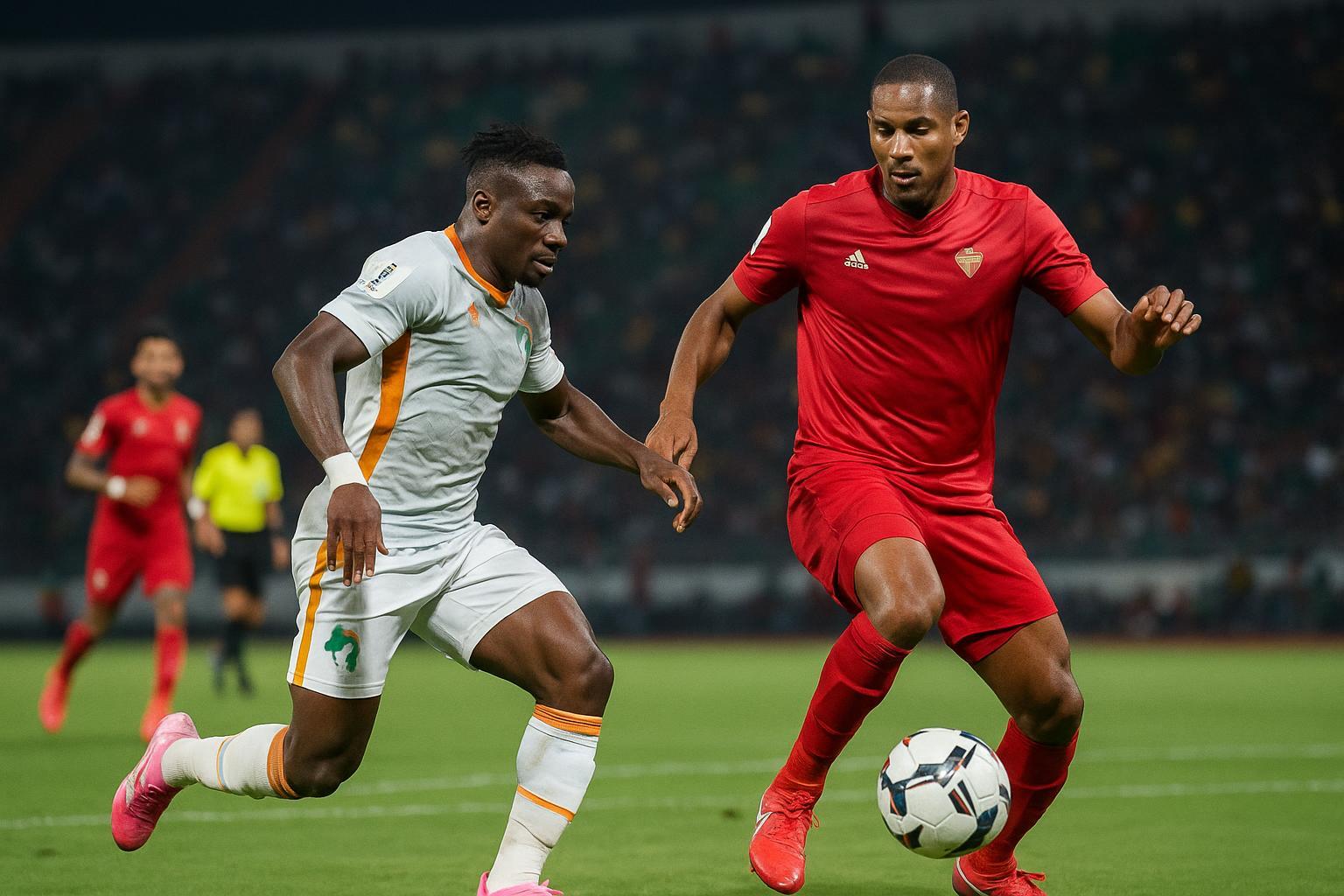
Congo’s voyage toward the expanded 48-nation 2026 FIFA World Cup met a brutal jolt in Ouagadougou. Playing as nominal hosts on the neutral turf of Stade du 4-Août, the Red Devils fell 3-1 to Niger, a result that leaves their qualifying maths almost impossible.
The setback was painful not only for the scoreline but for what it revealed: a side still searching for rhythm, confidence and leadership. Head coach Fabrizio Cesana, appointed with a mandate to rejuvenate, watched a youthful eleven concede twice before the interval despite early possession spells.
A mountain to climb after Ouagadougou defeat
Trailing 2-0 at the break, Congo pushed higher in the second half but created few clear sights of goal. Young forward Bassinga Déo Gracias finally struck in the 93rd minute, too late to spark a miracle. Moments later, Niger’s counter sealed the 3-1 final.
The result froze Congo at the foot of Group E. Only the winner of each African group books a direct ticket to North America, while the best runners-up face inter-continental play-offs. Cesana acknowledged the scale of the task, admitting post-match that “every duel will now feel like a final”.
Numbers that tell a worrying story
Seven qualifiers, six defeats, one draw, zero wins: the statistics require no commentary. Four goals scored versus twenty-three conceded underline structural frailties at both ends of the pitch, from shaky marking on set pieces to a midfield that struggles to transition quickly.
Goal difference can still matter in CAF’s revamped pathway, so the magnitude of each defeat bites twice. Analysts at the Confederation of African Football note that only Eritrea have posted a higher average of goals conceded per game in this window, a comparison no Red Devils supporter enjoys hearing.
Young squad searching for identity
Cesana’s roster averages just 22 years and is built around domestic-league talent after injuries and scheduling conflicts limited several European-based regulars. The coach argues that local players bring cohesion, but critics point to evident gaps in match fitness compared with full-time professionals abroad.
Yet the upside is visible. Teenagers like Bassinga show fearless energy, and goalkeeper Chris Mouandza’s reflex saves kept scores respectable in both Niger and the earlier draw with Tanzania. Technical director Hélder União insists that “these minutes are an investment; they learn by playing, not by watching”.
Institutional tensions yet to ease
Congo’s football culture has long been vibrant, but relations between the national federation and segments of the domestic league remain delicate. Budget allocations, travel logistics and youth-development priorities are debated in sometimes heated tones, affecting the serenity of preparation camps.
Recent media exchanges saw former internationals Sylver Nganvoula and Fred Dembi tease the current staff on social platforms, questioning the all-local selection policy. While the banter was light, insiders concede it reflects deeper anxieties about standards. Federation spokesperson Florent Makita downplayed any rift, stating that “all voices are welcome if they help us progress”.
Government backs a rebuilding plan
The Ministry of Sports reaffirmed support for a long-term roadmap focusing on academies, sports science and infrastructure upgrades ahead of the 2027 Africa Cup of Nations bid. A task force blending ministry officials, federation technicians and private partners will submit its action plan next quarter.
Officials highlight recent renovations at Brazzaville’s Alphonse-Massamba-Débat stadium and grants for regional training centers. “Results matter, but building a pipeline is equally vital,” ministerial advisor Mireille Ngouabi said. The approach aims to reduce dependence on scattered talent abroad and restore the Red Devils’ trademark passing game.
What comes next in Group E
Congo’s next outing is away to Sudan in March. Even a perfect run from here may not bridge the gap to section leaders, yet pride and FIFA ranking points remain on the line. Players also chase visibility for club scouts when continental transfer windows reopen.
Preparations resume in late January with a camp in Pointe-Noire focusing on defensive shape and set-piece efficiency. Technical staff will monitor foreign-based options such as Prince Ibara, whose recovery from injury could offer a welcome target-man presence. Selection decisions are expected a fortnight before travelling to Khartoum.
Fans divided but hopeful
Among supporters in Brazzaville’s Marché Total, patience varies. Some argue for a temporary pause from international competition to rebuild quietly, while others insist that nothing accelerates development like facing top opposition. Street-vendor Nadia Mayitou sums it up: “We suffer now, yet we still wear red every matchday”.
Television ratings show continued interest: the Niger fixture drew 1.4 million viewers on national broadcaster Télé Congo, according to Médiamétrie. Social-media sentiment was critical of defensive lapses but applauded Bassinga’s late strike, a moment many see as a glimpse of the future.
Eyes also on 2027 AFCON
Beyond the World Cup horizon, Congo eyes qualification for the 2027 Africa Cup of Nations, a tournament historically kinder to emerging squads. The continental campaign begins next year, offering a fresh slate and, perhaps, a more realistic target. Cesana believes lessons from Group E will harden his youngsters before that stage.