
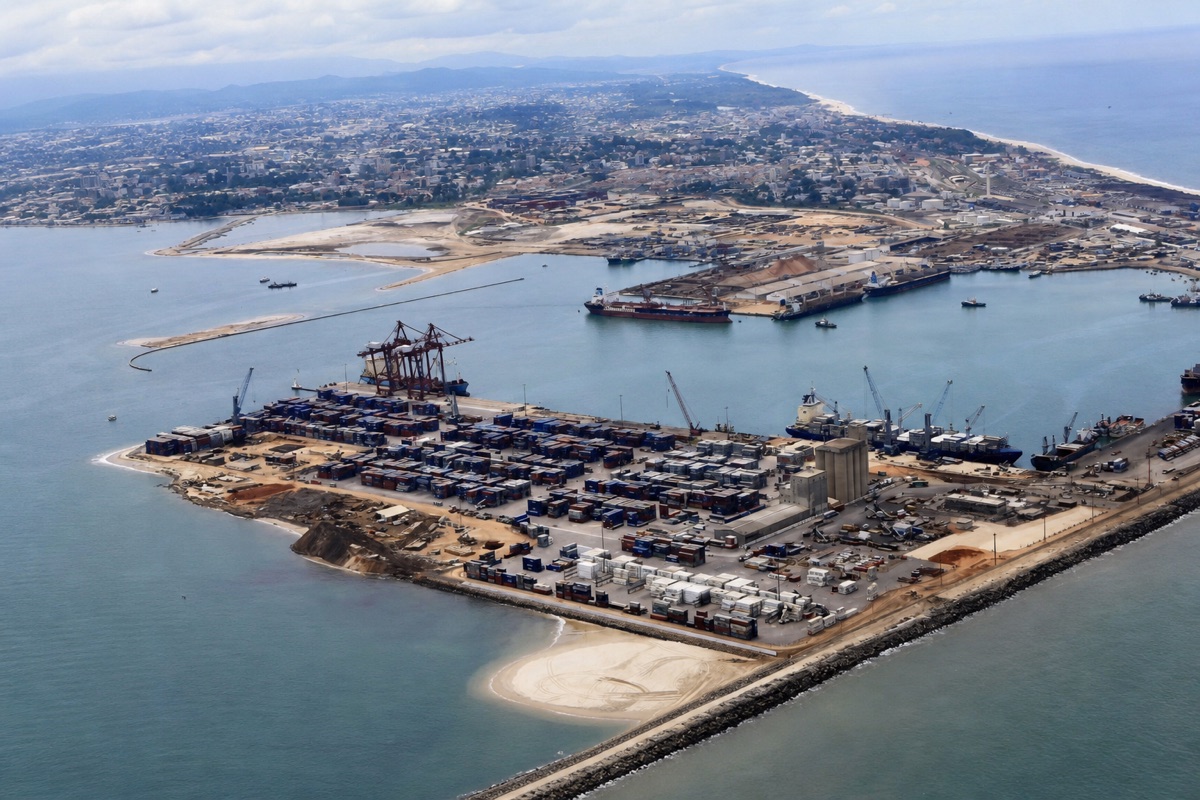
Pointe-Noire is preparing for one of its largest port upgrades in years. Brazzaville and Emirati group AD Ports Group have signed a package of agreements worth more than 236 million dollars, all aimed at developing the city’s East New Mole terminal.
A 236 Million Dollar Bet on East New Mole
The agreements, sealed on 12 May 2026, cover far more than a single contract. They bundle together commitments for marine infrastructure, onshore works and the purchase of new equipment, weaving these strands into a coordinated plan for the terminal’s future.
The headline figure, over 236 million dollars, signals serious intent from Abu Dhabi. For a facility that already anchors trade along Congo’s Atlantic coast, this scale of spending points to ambitions that reach well beyond routine maintenance or modest expansion.
Behind the numbers sits a clear logic. Modern terminals need deeper draughts, sturdier quays and faster handling gear to compete. By tying marine, land and equipment investments together, the partners aim to lift East New Mole into a different operational class.
Noatum Ports Takes the Operating Reins
Once developed, the terminal will run under the Noatum Ports brand, the operating arm that belongs to AD Ports Group. That choice matters. It places East New Mole inside a wider network of facilities managed under a single, internationally recognised banner.
For Pointe-Noire, an established operator brings standardised procedures, familiar branding for shipping lines and a management culture honed across several markets. The local terminal effectively gains a passport into an operator’s global playbook, rather than building everything from scratch.
The arrangement also clarifies responsibilities. Brazzaville secures the investment and the upgraded asset, while the Emirati group shoulders the task of running the terminal day to day under its own commercial identity and operating discipline.
Why Pointe-Noire Sits at the Centre
Pointe-Noire has long served as Congo-Brazzaville’s economic lung, the point where the country’s foreign trade meets the sea. Strengthening its main terminal therefore touches far more than dockworkers and shipping agents along the quay.
The investment reinforces the city’s role as a strategic port hub for Central Africa. In a region where reliable maritime gateways remain scarce, a better-equipped Pointe-Noire could draw additional traffic and consolidate cargo flows that might otherwise scatter elsewhere.
That positioning carries weight for neighbouring economies too. Landlocked partners across the wider region depend on coastal terminals to move goods, so upgrades at Pointe-Noire ripple outward, shaping logistics choices well beyond Congo’s own borders.
Emirati Capital Turns Toward African Ports
The deal also reflects a broader pattern. AD Ports Group’s move illustrates the growing appetite of Emirati players for African port infrastructure, a sector that has attracted steady attention from Gulf investors seeking long-term, asset-backed positions.
For Abu Dhabi-based operators, ports offer a blend of strategic reach and durable returns. Stakes in coastal terminals secure footholds along key trade routes, linking Asian, European and African flows through facilities they help finance and manage.
Pointe-Noire fits neatly into that thinking. A terminal on the Atlantic seaboard of Central Africa rounds out a portfolio, giving an Emirati group presence on a coastline that complements its other holdings across different maritime corridors and regions.
What the Upgrade Could Change on the Ground
The structure of the agreements suggests a layered transformation. Marine infrastructure work tends to address access and berthing, allowing larger or more numerous vessels to call without the delays that plague congested or shallow ports.
Onshore developments usually target the spaces where containers and cargo are stored, sorted and moved. Improvements there can ease bottlenecks that often form once goods leave the ship but before they reach road or rail networks inland.
Equipment purchases complete the picture. Cranes, handling machinery and related tools determine how quickly a terminal can load and unload, and modern gear can sharply reduce the time vessels spend waiting at the quayside.
A Signal Worth Watching
For families, small businesses and traders who depend on imported goods, smoother port operations eventually translate into more predictable supply. While the agreements themselves are technical, their downstream effects touch everyday commerce in tangible ways.
The partnership marks a notable vote of confidence in Pointe-Noire’s potential. By committing over 236 million dollars and an internationally branded operator, AD Ports Group has tied its name to the terminal’s next chapter.
How quickly the works advance, and how visibly they reshape traffic through the port, will be the real measures of success. For now, the signed accords set an ambitious benchmark for Congo-Brazzaville’s principal maritime gateway and its regional standing.