
Opposition Primary Opens in Brazzaville
From a modest office on Boulevard Denis Sassou-Nguesso, staffers of the Party for Action of the Republic, better known by its French acronym P.A.R, began receiving sealed envelopes this week. Each envelope carries the ambition of a would-be contender for Congo-Brazzaville’s 2026 presidential race.
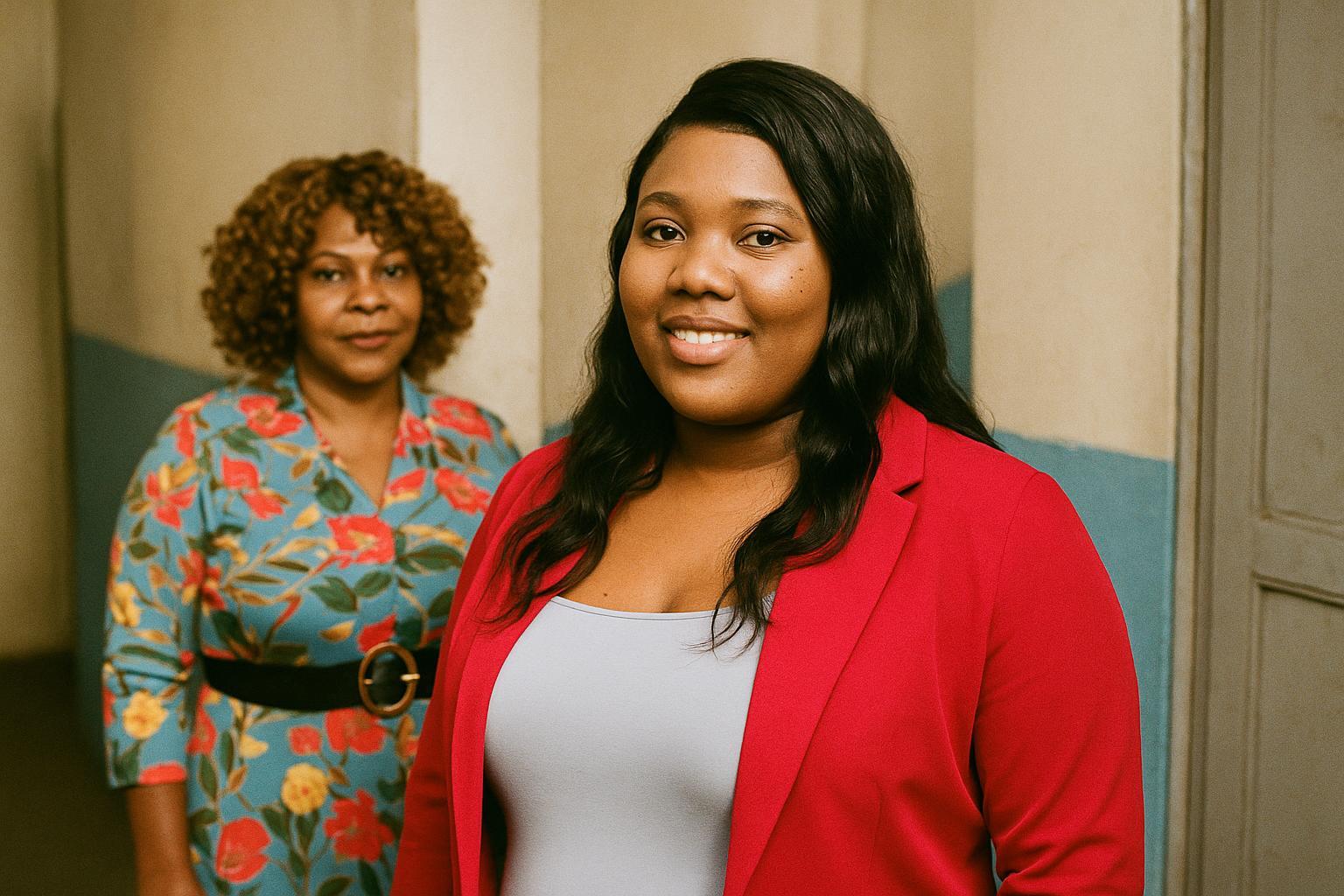
Last weekend, secretary-general Jessica Prismelle Ognangué formally declared the internal primary open, confirming the timeline approved by the party’s extraordinary congress in June. Candidates now have until 5 November 2025 to submit files, after which activists across all twelve departments will vote on 25 November.
Inside the P.A.R Selection Rules
According to the party charter, aspirants must be Congolese citizens aged at least forty, present evidence of tax compliance, and obtain endorsements from five departmental coordinators. The deposit fee, set at one million CFA francs, is refundable only if the hopeful secures more than ten percent.
Ognangué insists the guidelines were drafted with guidance from constitutional scholars. “Our aim is to project seriousness and avoid improvisation,” she told Les Dépêches de Brazzaville, stressing that electronic ballots will be used for diaspora members in Paris, Pointe-Noire and Johannesburg.
Legal Framework and Electoral Calendar
The primary coincides with preparations by the National Independent Electoral Commission, which recently confirmed 21 March 2026 as the tentative date for the national vote. Parliament passed the updated electoral code in July, integrating biometric registration and capping campaign funding for transparency.
Government spokesperson Thierry Moungalla welcomed the opposition party’s calendar, saying it demonstrates “vital pluralism within our constitutional order.” Law professor Arlette Samba observes that holding orderly primaries could encourage other formations to clarify their procedures before the official campaign begins next January.
Under the law, final presidential candidates must be declared no later than thirty days before polling. Analysts therefore see the P.A.R timeline as conservative, giving the eventual nominee four full months to tour the hinterland, court alliances, and refine a manifesto able to resonate nationally.
Reactions Across the Political Spectrum
In Makoua, the ruling Congolese Labour Party’s youth wing commended the opposition for embracing internal democracy while cautioning against inflammatory rhetoric. Its coordinator, Serge Ibata, argued that respectful competition helps “consolidate peace President Denis Sassou Nguesso values,” a sentiment echoed by civil-society network Ras-Le-Bol on social media.
Some smaller opposition factions, however, fear a strong P.A.R candidate could siphon urban votes. Leaders of the Union for Progress and Change hinted they might unite behind a single banner if polls show fragmentation. Formal negotiations are expected after preliminary surveys in February.
The Catholic Bishops Conference, which often mediates during elections, released a communiqué welcoming early organisation on all sides. Monsignor Victor Tchissambou urged parties to “uphold the spirit of dialogue forged during the 2023 national consultations,” adding that churches stand ready to provide civic-education workshops.
International Observers and Diplomatic Interest
Embassies based on the banks of the Congo River are watching closely. A European Union diplomat, requesting anonymity, said orderly primaries enhance confidence in the broader electoral cycle, especially as Brazzaville seeks additional development financing under ongoing talks with the African Development Bank.
The United Nations Office for Central Africa, referencing recent technical assistance to the electoral commission, welcomed signals that parties are aligning with the official timetable. Regional body ECCAS is expected to dispatch a pre-assessment mission after the P.A.R concludes its vote count in December.
International attention also carries economic overtones. Ratings agency Moody’s noted last month that predictable political timetables can lower borrowing costs by reducing country-risk premiums. A calm primary season, therefore, could indirectly support government efforts to attract investors to planned special economic zones in Ouesso and Dolisie.
Looking Ahead to March 2026 Poll
For P.A.R founder Anguios Nganguia Engambé, the upcoming primary is a moment of institutionalisation. While he has not ruled out seeking the nomination himself, aides say he is committed to respecting the verdict of members, a position analysts call unprecedented in the party’s twenty-year history.
As November 2025 approaches, voters will scrutinise not only slogans but organisational discipline. Should the P.A.R deliver a transparent primary, it may shape narratives of competitiveness that are set to dominate the 2026 campaign, ultimately reinforcing Congo-Brazzaville’s ongoing effort to entrench a culture of peaceful succession.
Policy Debates Emerging
Early manifestos obtained by our newsroom suggest contenders will focus on youth employment, digital infrastructure and climate resilience. The P.A.R policy committee is drafting a ten-year plan that pledges to halve graduate unemployment and expand solar micro-grids in remote Cuvette-Ouest villages.
Economist Florent Itoua cautions that any platform must reckon with fiscal realities. “Oil prices remain volatile, so revenue diversification is critical,” he said, advocating for agro-industrial corridors along the Djambala-Nkayi axis. Such discussions indicate the primary could double as a laboratory for pragmatic policy innovation.
Gender representation has also entered the conversation. Women’s league chair Micheline Ndinga is lobbying for a compulsory female running-mate clause, echoing provisions adopted in neighbouring Gabon. Observers believe such proposals could broaden the party’s appeal among urban professionals and satisfy regional commitments on inclusive governance.