
Early Warning Idea Returns to Pointe-Noire
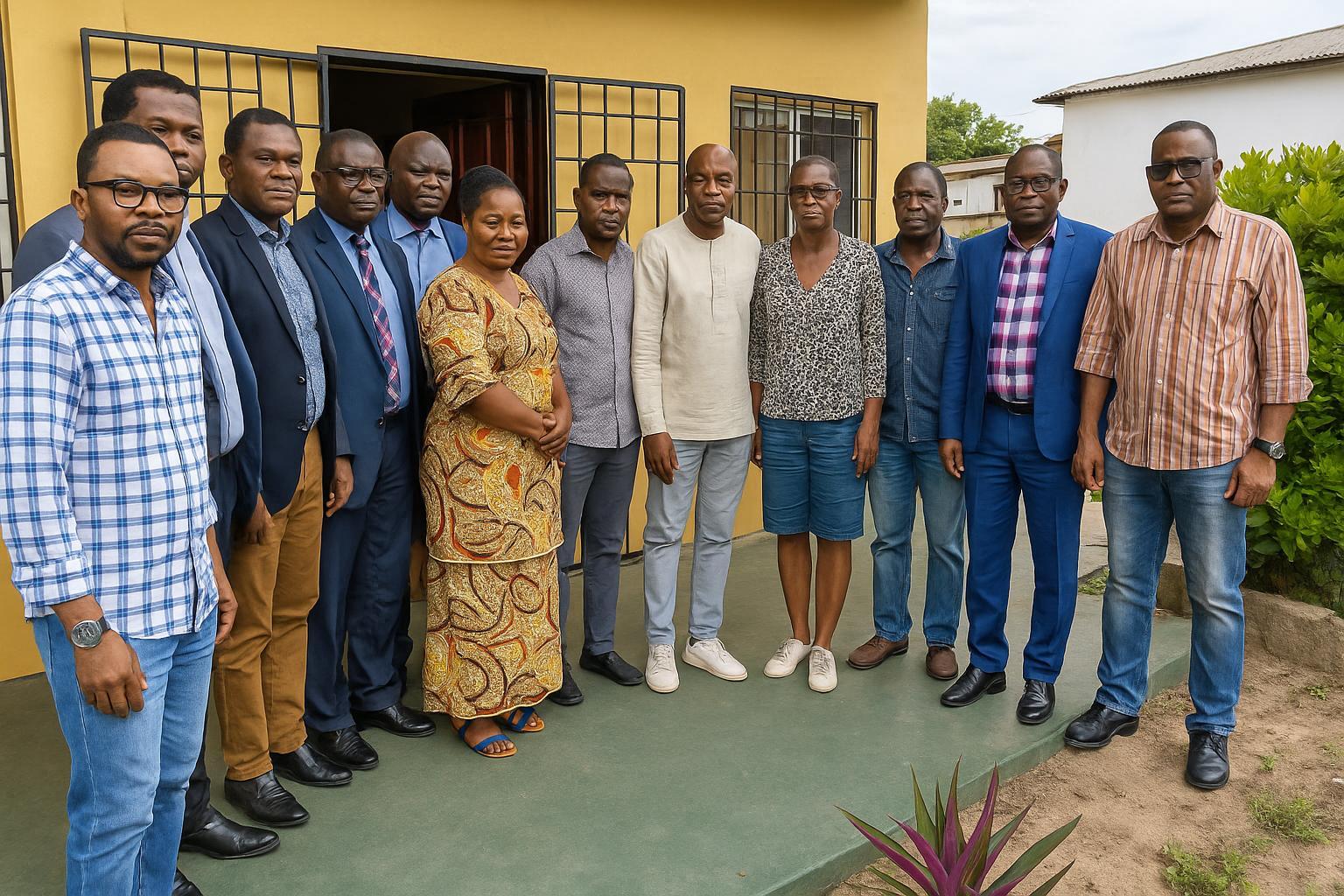
On 12 December 2025, ten Congolese NGOs gathered at the Pointe-Noire headquarters of Rencontre pour la paix et les droits de l’homme, RPDH, to refresh the Early Warning Mechanism methodology. The workshop took stock of how civil society operates nationwide and how alerts can travel faster.
The organisers opted for a round-table rather than formal speeches. Participants compared field notes from Brazzaville, Kouilou and Likouala, testing whether civic-space signals can reach decision-makers before tensions escalate.
EU-backed UE-see Project Explained
The meeting closed year one of the European Union’s Union-wide System for an Enabling Environment, known as UE-see. Launched in 2024, the programme is steered by six international NGOs across eighty-six nations, Congo among them.
UE-see acts like a public-interest barometer. Local groups feed data on laws, funding, security and community relations into a shared platform. Analysts compile quarterly snapshots that are handed to national authorities to fuel constructive dialogue.
One Year, First Results on the Ground
RPDH programme officer Franck Loufoua-Bessi says the system already shows promise. Over twelve months, thirty grassroots associations have joined a national observatory, training has demystified regulations and radio segments introduced the idea of an “enabling environment” to everyday listeners.
“Our goal is to clarify realities volunteers face while serving communities,” he explained. Provincial administrators now request workshop materials, suggesting growing curiosity inside local government about partnership-friendly procedures.
December Session: Findings and Debates
The December assessment offered a nuanced picture. Travel permits arrive faster than in 2023, yet some rural groups still struggle with registration fees. Access to public halls has improved in coastal cities, but insurance costs for marches remain high for small associations.
Documentation was another sticking point. Several youth collectives reported delays in obtaining printed copies of the 2022 law on associations, hampering internal training. A Pointe-Noire councillor present promised to relay the concern, noting that open information prevents conflict.
Voices from the Room
Mireille Samba, who runs a women’s micro-credit network in Bouenza, said her staff can now file activity reports online, cutting transport bills. “If the same digital gate hosted grant announcements, we would save even more time,” she added.
Youth activist Joël Makongo raised safety. His team monitors illegal logging in Sangha and sometimes faces intimidation. “A hotline backed by police and NGOs would reassure volunteers and forest communities,” he argued, proposing a rapid-response feature within the mechanism.
Why Working Conditions Matter
Good civic-space indicators are more than abstract scores. Economists at the University of Brazzaville estimate nonprofit initiatives contribute up to two percent of national GDP through jobs, training and service delivery. Stable operating rules therefore underpin economic as well as social progress.
Pointe-Noire Chamber of Commerce director Alain Mabiala agrees. He told the gathering that clear communication between administrations and associations reduces project delays, attracts donor confidence and keeps revenue circulating locally. “Everybody wins when paperwork is predictable,” he said.
Roadmap Ahead for 2026
The workshop closed with three priorities: keep quarterly monitoring meetings, expand the observatory to at least forty organisations and publish a bilingual dashboard summarising trends for citizens. Draft budgets will be presented to partners early next year, pending fresh EU funding.
RPDH will dispatch mixed teams to Ouesso, Dolisie and Oyo to verify data quality and mentor smaller groups in digital reporting. Loufoua-Bessi believes peer exchange will cement solidarity. “Numbers alone do not change lives; relationships do,” he reminded colleagues.
Officials React and Next Steps
A Ministry of Territorial Administration spokesperson welcomed the initiative, affirming government commitment to a constructive climate for civic activity. He noted that existing laws guarantee freedom of association and said feedback from UE-see will help fine-tune their application.
The EU delegation in Brazzaville also praised “transparent collaboration between state institutions and communities”. It confirmed Congo remains eligible for technical assistance under the bloc’s Global Gateway programme, which could finance digital tools mentioned by participants.
With optimism tempered by realism, Congo’s civil-society actors head into 2026 better equipped to spot challenges before they harden into crises. If the Early Warning Mechanism becomes routine, observers say the space for inclusive development could broaden, benefiting households across the republic.