
A Frank Conversation About Congo’s Books
Money talk in Brazzaville rarely stays polite for long. On 11 June, it turned unusually candid. The International Monetary Fund sat down with Congo-Brazzaville’s government and laid out, without much cushioning, what the country must fix to keep its economy steady.
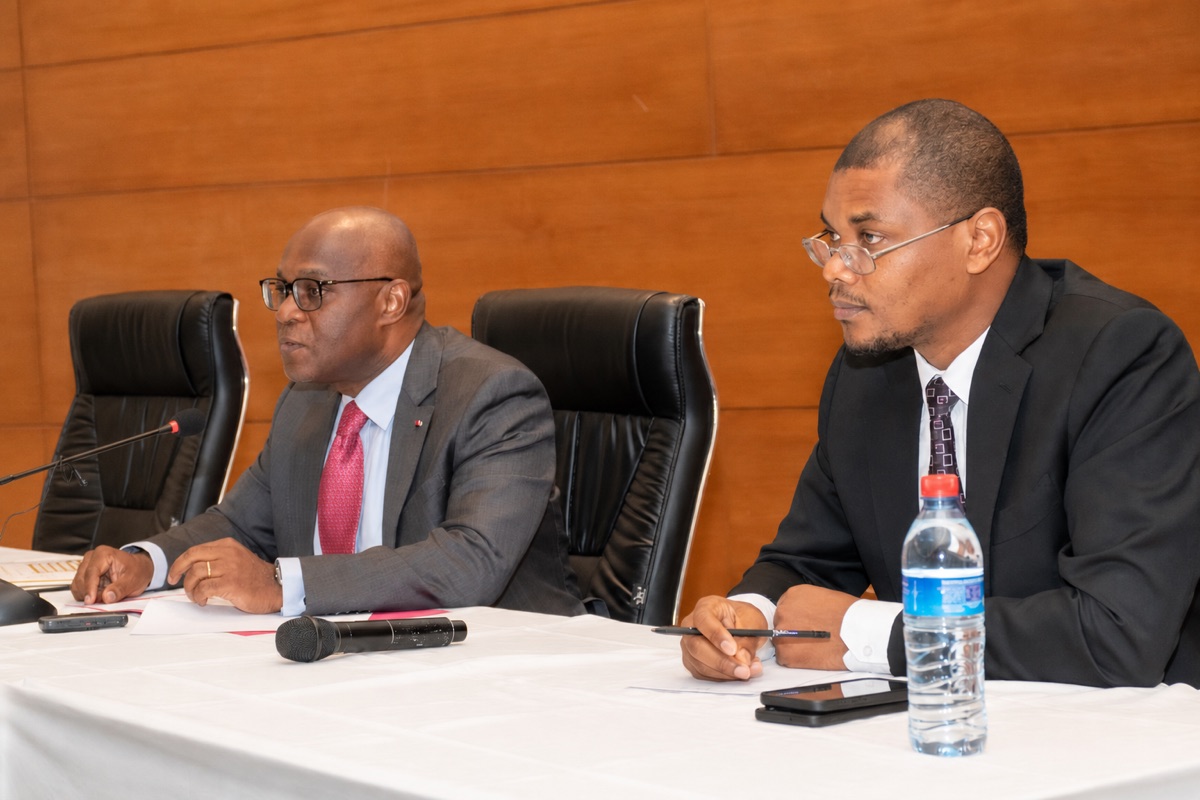
The setting was a seminar co-organised with Finance Minister Christian Yoka. There, the Fund’s resident representative, Maximilien Kaffo, delivered a set of priority recommendations. The tone was less scolding than strategic, but the message landed clearly: stability will not arrive on its own.
Why the Region Sets the Backdrop
Kaffo placed Congo inside a wider picture. Across sub-Saharan Africa, the IMF argues, governments need to lift growth through disciplined economic policy, firmer control of inflation, and steady budget cleanup. Congo, an oil producer with a heavy debt load, fits that pattern almost too neatly.
That regional framing matters. It signals that the Fund is not singling out Brazzaville for punishment. Rather, it is asking the country to do what its neighbours are also being pushed to do, only with the added weight of an oil cycle that giveth and taketh away.
The Debt Problem Nobody Can Ignore
Overindebtedness sits at the centre of the discussion. The IMF’s prescription is blunt and specific. It calls for, in its words, “the rational use of oil surpluses, the clearing of arrears owed to economic operators, the repayment of external debt,” all financed largely through oil revenues.
In plainer terms: when the barrels sell well, spend the windfall wisely. Pay the suppliers the state already owes. Chip away at foreign creditors rather than rolling debt forward. It is the kind of housekeeping that sounds obvious yet proves politically painful year after year.
The Fund pairs that with a second demand. It wants public spending trimmed and reforms continued against the quiet drain of financial resources leaving the system. Plugging leaks, in other words, before pouring in more water.
Five Axes, One Direction
Kaffo’s package narrows to five priorities. The first is economic diversification, the long-promised escape from oil dependence. The second is stronger public finances. The third is debt sustainability, ensuring borrowing today does not strangle budgets tomorrow.
The fourth axis covers structural reforms, the slow institutional work that markets reward but voters rarely notice. The fifth, and perhaps the one with the most human stakes, is protection for vulnerable populations. Stability, the Fund implies, cannot be built on the backs of those least able to absorb shocks.
Taken together, the five points read like a survival plan more than a wish list. None is new to Congolese policy debates. What gives them fresh edge is the moment, with debt high and oil prices doing what oil prices always do, which is refuse to be predicted.
Yoka’s Optimistic Counterweight
If the Fund supplied the caution, Minister Yoka supplied the confidence. He offered projections that, if realised, would mark a sharp turnaround. Real GDP growth, he said, should climb from 1.3 percent in 2024 to 4.3 percent in 2025, then reach 5 percent in 2026.
The debt picture, in his telling, improves too. Yoka expects the debt-to-GDP ratio to fall from 92 percent in 2025 to roughly 80 percent by 2027. That is a meaningful descent, though it would still leave Congo carrying a load that few economists would call comfortable.
These figures sit beside the IMF’s warnings like two readings of the same road. One emphasises the climb ahead; the other points to the summit. Neither is wrong, and that tension is precisely what makes the moment worth watching.
Reading Between the Numbers
What should an ordinary reader in Brazzaville or Pointe-Noire take from all this? Mostly that the country’s finances are being steered through a narrow channel. Oil money offers a cushion, but only if it is used to settle debts rather than fuel new ones.
The promise to protect vulnerable populations is the line most worth holding the government to. Growth projections impress investors; arrears cleared and prices kept in check are what families feel. The gap between the two is where credibility will be won or lost.
For now, the picture is one of cautious ambition. The IMF has named the risks plainly, the government has answered with bold targets, and the next budgets will reveal which version of the story holds. Stability, after all, is not declared in a seminar. It is proven in the spending choices that follow.