
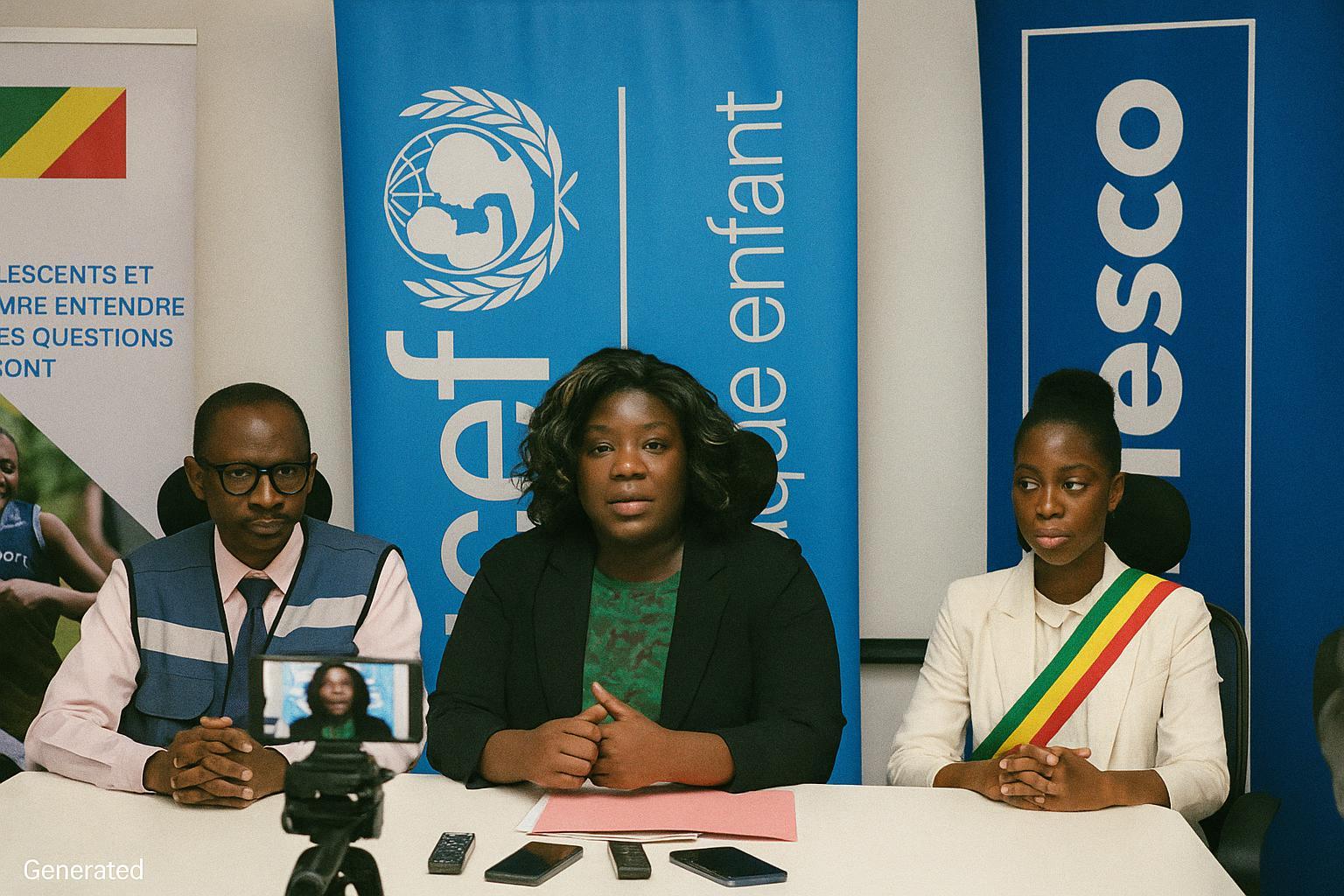
Workshop unites heavyweights and fresh voices
For forty-eight brisk hours, the meeting room at the WHO country office in Brazzaville sounded more like a newsroom than a boardroom. Doctors in crisp coats, teachers in wax prints and teen delegates wearing headphones shuffled papers and swapped figures. Convened by the National AIDS Control Programme with support from UNICEF, WHO and UNESCO, the gathering sought to iron out a single, practical package of sexual and reproductive health services for the nation’s 10- to 24-year-olds. “A clear compass for every clinic and every classroom,” is how Dr Michelle Mountou, director of reproductive health at the Ministry of Health, summed it up.
One playbook to fight stigma and mixed messages
Participants agreed that good intentions were already scattered across the map—some in school curricula, others in youth centres, still others in donor-funded pilots. What teens met, however, was often patchy advice, lingering taboos or a long walk to the nearest stocked pharmacy. The workshop therefore endorsed three immediate actions: craft plain-language fact sheets matched to available services, train all front-line staff from guidance counsellors to community nurses, and tighten reporting so progress is measured, not guessed. “The real work starts after the applause,” Dr Mountou warned, reminding attendants that dashboards and follow-ups will decide whether the blueprint survives beyond PowerPoint.
Smartphones shoulder part of the load
Tech platforms earned an unusual spotlight. The locally popular Hello Ado app already geolocates youth-friendly clinics in 33 African countries and feeds phones with tips on HIV, contraception and even heartbreak. UNESCO-backed Tic Tac Ados is pushing out bite-sized sex-ed videos, while UNICEF’s U-Report, live in Congo since 2017, polls young people by SMS on anything from consent to COVID fears. “Phones are our megaphones,” noted Frédérique Baboutila, 18, president of the Children’s Parliament. She left the room promising sharper campus campaigns after the next semester break. Experts from WHO’s digital-health desk, citing recent studies on mobile engagement in West Africa, say such tools can double the reach of clinic programmes when bandwidth is cheap and content is local.
Measuring impact, keeping youth in the driver’s seat
Behind the buzz lies a sober commitment to evidence. Attendees sketched a unified reporting grid so provincial health officers, school inspectors and NGO partners feed comparable numbers into the national database. Annual scorecards will track not just clinic visits but user satisfaction and reduction in misinformation. The health ministry’s epidemiology unit plans a baseline survey this quarter, a move hailed by UNICEF as “the surest way to see if chatbots translate into safer choices.” The initiative aligns with the government’s broader goal of harnessing digital solutions, a policy reinforced in recent cabinet communiqués.
Looking ahead to a field test
Pilots are expected to roll out in Brazzaville and Pointe-Noire before year-end, subject to final budget clearance. Donor representatives present, including the Global Fund and the French Development Agency, hinted at additional envelopes once early metrics are in. For now, the mood is cautiously upbeat. “We finally speak the same language,” said a school nurse from Makélékélé as delegates packed their folders. If the follow-through matches the planning, Congo could offer a regional model where rumours give way to routers—and teenagers know exactly where to turn.