
A discreet vote with continental echoes
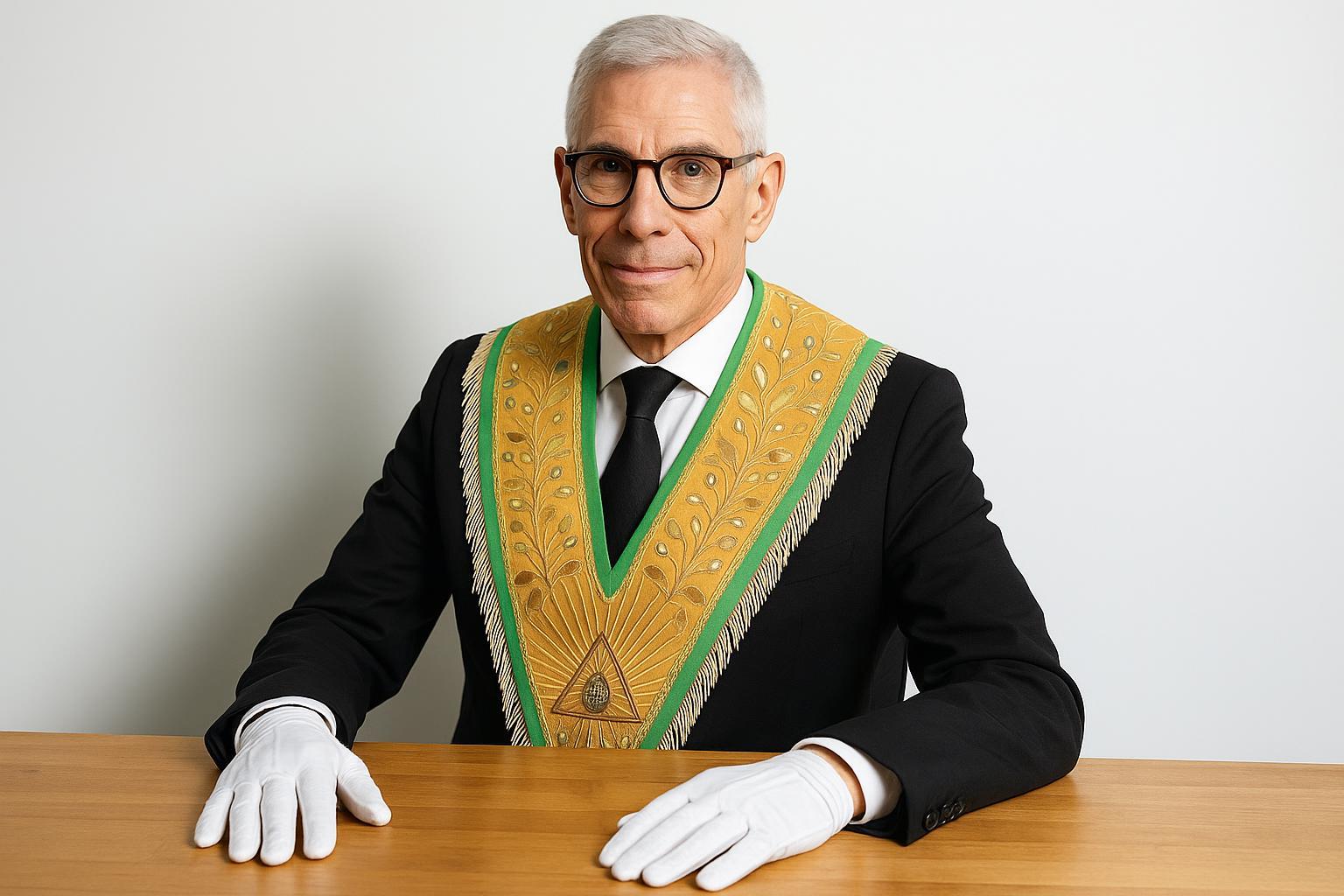
Seventy-two-year-old economist Pierre Bertinotti was chosen on 21 August 2025, during the Bordeaux convent, to preside over the Grand Orient de France for the next twelve months. The discreet ballot instantly drew attention far beyond Paris, rippling through diplomatic chat groups from Dakar to Brazzaville.
Within minutes, West African newsrooms recalled how previous GODF leaders quietly opened doors at treasury departments and central banks. In Libreville, a senior civil servant quipped that lodge meetings still achieve in one evening what formal committees discuss for months, underlining the order’s enduring aura.
Historic ties between GODF and Francophone Africa
Founded in 1773, the Grand Orient planted its first overseas triangles during the nineteenth century as French colonial administration expanded. Archives show that early Congo Free State magistrates sought initiation to improve social standing at the governor’s residence, a pattern repeated across the Gulf of Guinea.
By the late twentieth century, membership had become an informal pathway to scholarships, trade delegations and even cabinet positions. Researchers at the University of Lomé estimate that a quarter of ministers who served in Francophone Africa between 1980 and 2010 carried at least one Masonic affiliation.
In Brazzaville, the historic Lumière et Progrès lodge still meets in a sandstone villa near the Boulevard Denis Sassou Nguesso. Observers note that its doors regularly welcome senior executives from state enterprises, offering a discreet, apolitical forum for debating infrastructure priorities and regional integration.
Profile of Pierre Bertinotti
Against this backdrop, Bertinotti arrives with an unusually technical résumé. He taught macroeconomics at CentraleSupélec, authored papers on sovereign debt sustainability and served at the French Treasury. Colleagues describe him as ‘more spreadsheet than sword,’ a temperament suited to subtle diplomacy rather than theatrical grandstanding.
During his acceptance address, he pledged to ‘renew the social pact’ by focusing on poverty, digital ethics and climate resilience. Those themes mirror many African policy agendas, allowing local brethren to frame upcoming initiatives—such as fintech regulation in the Congo Basin—as part of a wider humanist mission.
Sources close to the convent say Bertinotti will soon tour Abidjan, Cotonou and Brazzaville to gauge expectations. A former Ivory Coast planning minister welcomed the plan, telling reporters that ‘data-driven conversations can help governments anticipate shocks without the pressure of microphones or diplomatic cables.’
Influence competition intensifies
Yet the context has shifted dramatically since GODF’s heyday. Beijing-backed chambers of commerce, Ankara-funded cultural institutes and Gulf philanthropy networks now court the same senior officials once monopolised by Parisian lodges. Competition, not complacency, defines the twenty-first-century contest for influence across the Sahel and Gulf of Guinea.
Political scientists at Sciences Po observe that freemasonry remains a unique vehicle because it blends ritual, mentorship and transnational solidarity. Unlike bilateral embassies, a lodge can pair a Congolese engineer with a French magistrate in strict confidentiality, nurturing trust that often translates into pragmatic deals.
Recent examples abound. The 2024 refinancing of Gabon’s timber-linked eurobond involved three negotiators who quietly shared lodge membership, according to a banker in Paris. In Congo, discussions over a public-private partnership for solar microgrids reportedly accelerated after informal talks at a Brazzaville charity dinner hosted by brothers.
Strategic stakes for Congo-Brazzaville
For Congolese officials, Bertinotti’s emphasis on evidence-based policymaking dovetails with ongoing diversification goals under the National Development Plan. A technology-fluent Grand Master could introduce case studies on value-addition in forestry or blockchain land registries without impinging on sovereign decision-making, reinforcing partnerships rather than prescribing them.
Professor José Malonga of Marien Ngouabi University argues that ‘soft power is most durable when it aligns with domestic priorities.’ He notes that Brazzaville’s agenda of regional electricity trade meshes neatly with GODF’s new taskforce on green transitions, potentially opening fresh corridors for scholarly collaboration.
Challenges and opportunities inside the lodge
Inside the Paris mother lodge, generational change also looms. Younger members press for greater transparency and gender parity, issues that resonate with urban African professionals. Bertinotti must therefore balance tradition—oaths, candles and archives—with the demands of a smartphone generation impatient for visible impact.
Time is short. GODF statutes limit presidents to single one-year terms, meaning strategic initiatives must be identified, funded and measured quickly. A Paris-Abidjan digital platform for policy briefs, under discussion since 2023, could emerge as the flagship deliverable if consensus is reached before next summer.
Veteran brother Paul Dufour cautions that ‘nothing endures without local ownership.’ He recalls how a promising water sanitation project in 2015 stalled because recommendations arrived in polished French but ignored municipal bylaws. The new Grand Master, he says, must listen first, advise second, and publicise last.
Outlook for quiet diplomacy
As Bertinotti prepares his African itinerary, Parisian observers view the mission less as nostalgia and more as adaptive diplomacy. In an era of multipolar engagement, an old fraternity may still provide a quiet table where public goals, commercial interests and civic values find pragmatic overlap.