
Brazzaville info day sparks momentum
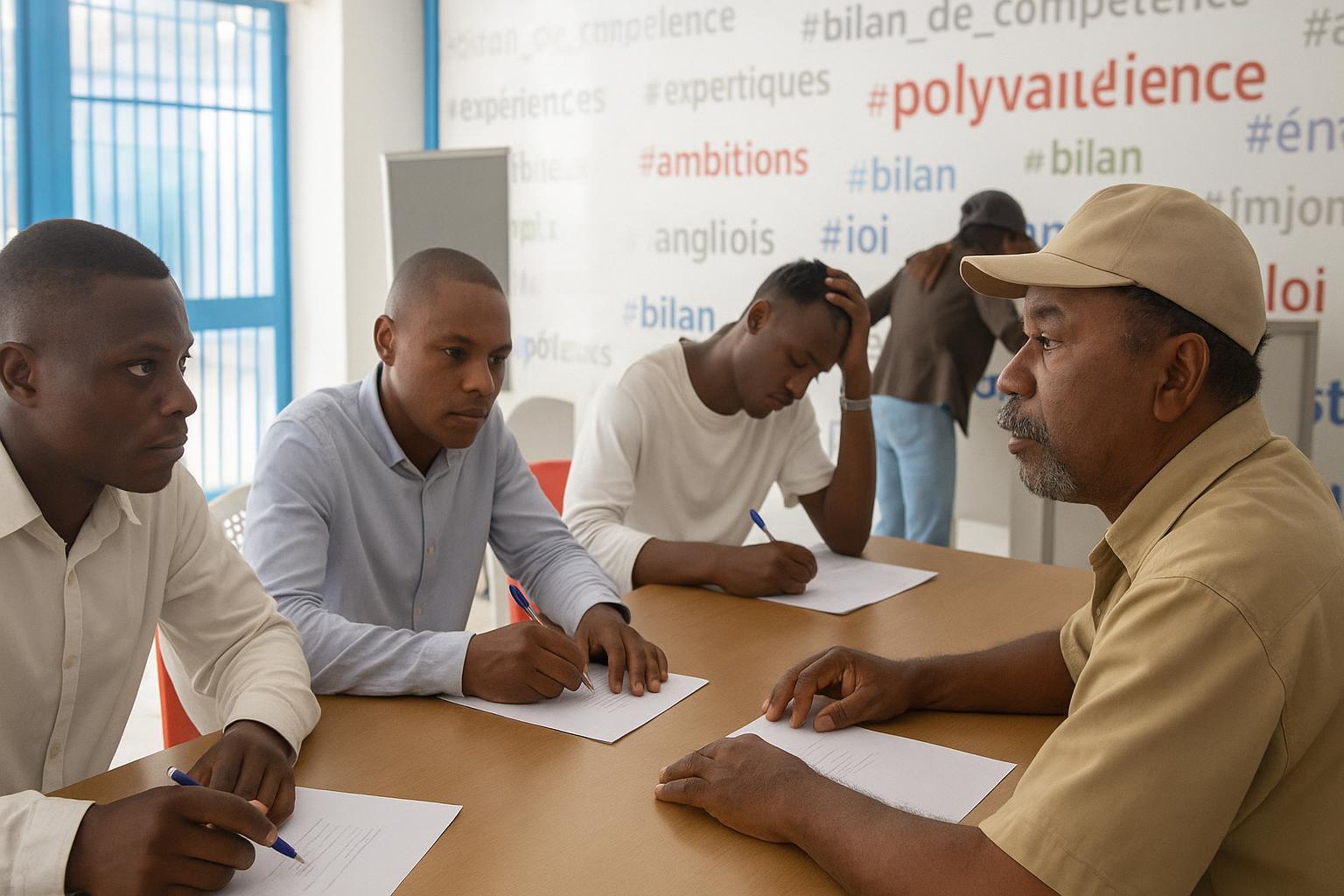
Crowds of job-seekers squeezed into the courtyard of the Agency for Employment in downtown Brazzaville on 4 December, eager to learn how the new Mosala Project might turn determination into a pay cheque.
By the time the loudspeakers crackled to life, every seat was taken and latecomers perched on windowsills, testimonies to a rising appetite for training pathways that cost nothing but commitment.
The initiative, backed by the Congolese government and partners, promises practical courses in apiculture, e-commerce and modern agriculture, all aimed at boosting employability for 5,000 young people before the end of its first cycle.
Project coordinators opened the session with a short video showing former trainees now running hives near Ouesso, selling honey on social media and supplying hotels in Pointe-Noire, proof that classroom theory can cross the river into real income.
‘This is not charity; it is capacity,’ insisted Mosala programme manager Clarisse Mabiala, emphasising that the courses are structured around actual vacancies mapped by the Agency’s labour observatory.
She reminded participants that the Republic of Congo’s Development Plan puts youth employment at the heart of its diversification drive, echoing President Denis Sassou Nguesso’s call for ‘hands that create wealth at home’.
Inside the Mosala curriculum
The apiculture track spans hive construction, queen breeding, seasonal management and value-addition such as beeswax cosmetics, subjects delivered by agronomists from the National Institute for Research in Exact and Natural Sciences.
E-commerce trainees will learn to source products locally, build a secure online catalog, handle mobile money gateways and design marketing campaigns suited to Congo’s growing smartphone penetration.
For agriculture, modules cover soil analysis, drip irrigation, organic fertiliser production and collective bargaining, skills considered vital as the country steps up efforts to curb food imports and meet sub-regional demand.
Who can apply and why
Eligibility rules are simple: applicants must be Congolese citizens aged 16 to 35, currently out of school and without formal employment.
Organisers underline that previous academic records are secondary to motivation; admission interviews focus on personal projects and community impact rather than grades.
Each cohort receives a starter kit—beehives, seedlings or a pre-configured website—once practical assessments are validated, enabling graduates to transition directly into micro-enterprise or cooperative work.
Closing the gender gap
Female participation is a strategic indicator for Mosala, with at least 40 percent of seats reserved for young women and on-site crèche facilities planned for the Brazzaville hub.
‘Women already head many informal food businesses; formal training will multiply their revenues and inspire others,’ said Julienne Bouanga, an economist at Marien-Ngouabi University.
The focus also aligns with national gender strategies endorsed by the Ministry of Social Affairs, which seeks to halve the unemployment gap between men and women by 2026.
Projected economic ripple effects
Experts from the Chamber of Commerce project that 5,000 new micro-enterprises could inject over CFA 4 billion into rural and peri-urban economies within three years, driven by honey exports and digitised retail.
Agronomist Jean-Paul Lékéty notes that wider adoption of drip irrigation techniques taught by Mosala could slash water use on market gardens by 50 percent, easing pressure on city reservoirs during the dry season.
In turn, lower production costs may translate into more affordable vegetables for urban households, complementing government programmes that monitor staple prices.
A recent survey by the African Development Bank ranks the Congo’s youth unemployment rate at about 19 percent, underscoring the importance of programmes that bridge the skills mismatch flagged by private employers.
Economist Bouanga believes Mosala could serve as a template for other CEMAC countries, citing its blended-learning model that combines remote tutorials with hands-on labs, a format well suited to dispersed communities along the Congo River.
Application timeline and contact points
Online registration at mosala.cg opened minutes after the briefing and will stay live until 31 December, with physical kiosks in Gamboma, Dolisie and Oyo for applicants without internet.
Selection results are scheduled for 15 January, medical screenings will follow, and classes begin the first week of February, according to the provisional calendar approved by the Ministry of Technical and Vocational Education.
Programme officers recommend that candidates prepare identification, a recent passport photo and, for e-commerce hopefuls, proof of smartphone ownership to facilitate the onboarding process.
Registrations in Pointe-Noire are already nearing the first-day quota.
Early testimonies signal hope
Twenty-two-year-old Déo Ngakala, unemployed since secondary school, left the briefing with application papers clenched in his fist, convinced that ‘even one beehive can change a household’s story if you know how to market the honey’.
Nearby, Mireille Kindelé, a mother of one with a flair for tailoring, said she plans to combine online sales skills from Mosala with her fashion line, enabling her to ‘ship dresses from Makélékélé to Montréal without leaving home’.
Their optimism echoed across the courtyard, blending with the hive of conversation that suggests the Mosala Project has already achieved a first victory: rekindling belief in opportunities at home.