
Geography and Natural Wealth
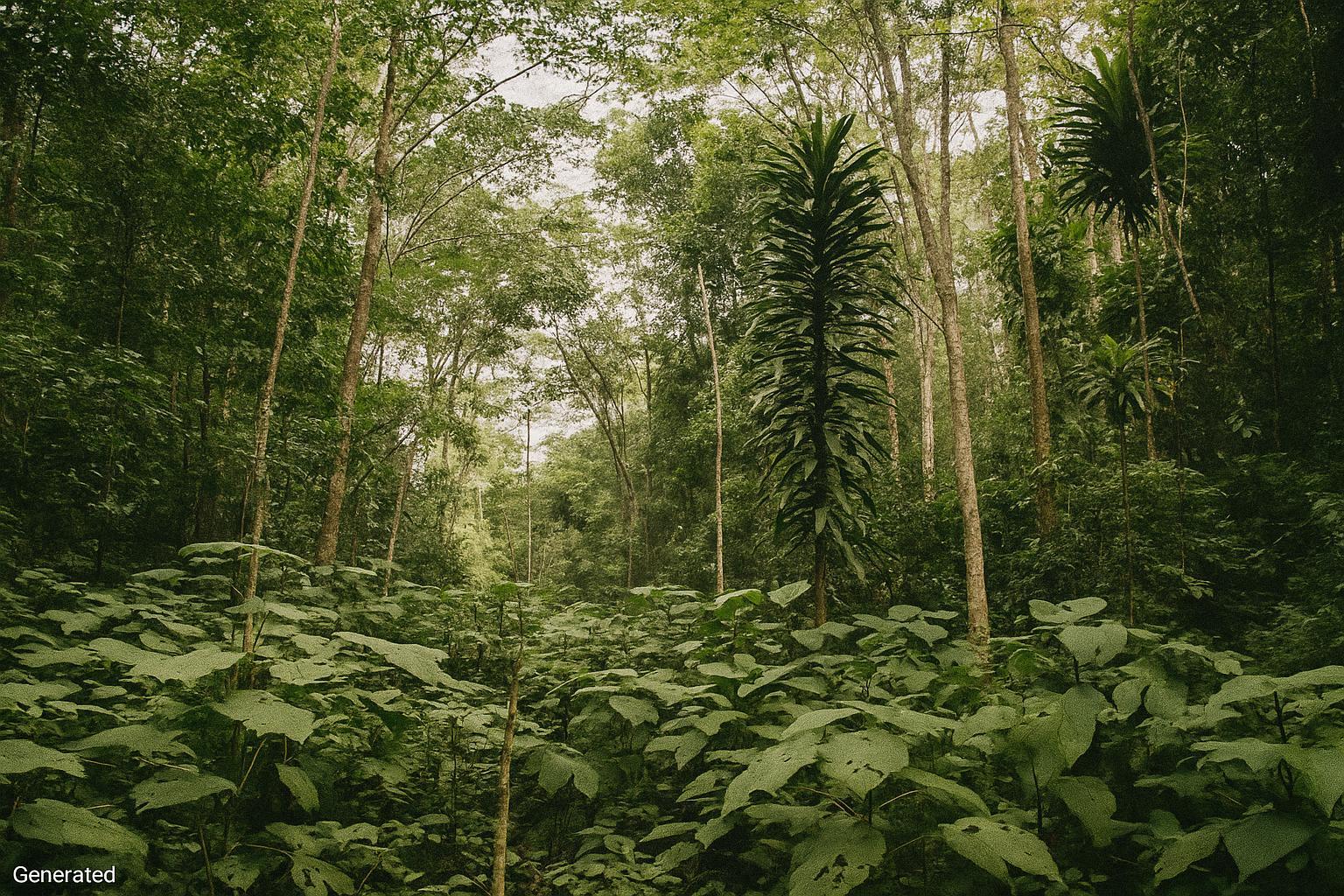
The Republic of Congo straddles two worlds. To the south, the busy ports of Pointe-Noire listen to Atlantic swells; to the north, rainforest higher than a ten-storey building drinks from the Sangha and Oubangui Rivers. The country’s 342,000 square kilometres place it sixty-fifth globally, roughly the size of Germany but with one-tenth the population. Elevations range from sea level marshes to the 1,020-metre heights of Mount Nabemba, giving a climate that slips from equatorial showers in Brazzaville to breezy savannah in the Pool region.
Natural gas pockets under the coastal basin, iron ore around Mayoko and potash close to the Loango coastline keep geologists busy. The Food and Agriculture Organization ranks Congolese forests among Earth’s three largest carbon sinks, a fact not lost on climate negotiators who see the country as a swing vote in global REDD+ talks. All this sits beside some 169,000 square kilometres of arable land, just 2 percent of which is irrigated, according to the African Development Bank.
People and Demographics Today
The latest national estimate puts Congo’s population at 6.1 million, giving it a global rank near 113 out of 237 states and territories. Nearly two-thirds of citizens cluster along the railway spine that links Brazzaville to Pointe-Noire, leaving the northern departments sparsely peopled. The median age of 20 years, published by the UN Population Division for 2024, reminds visitors that the country is a young one. French remains the official language, yet Lingala and Kituba dominate markets and music scenes, while Teke and Mbochi tongues colour rural districts.
Life expectancy has climbed to 64 years, ten better than in 2000, helped by a vaccination drive backed by Gavi and a gradual expansion of community clinics. Fertility is trending down, at 4.2 children per woman, but still high enough to push the annual growth rate above 2.5 percent. Analysts from the Economic Commission for Africa note that keeping the youth bulge productive will hinge on urban job creation rather than migration, as net outflow remains modest.
Economic Pulse After the Pandemic
Hydrocarbons remain king. Oil accounts for almost three-quarters of export revenue and just over half of government receipts, according to the Ministry of Finance’s 2023 budget brief. Yet real GDP expanded by a measured 1.8 percent last year, despite OPEC+ production ceilings, as agriculture and telecoms picked up slack. Mobile-money subscriptions jumped 34 percent, a bright spot for service diversification. The International Monetary Fund puts public debt at 83 percent of GDP, down from a triple-digit peak in 2020 after a Paris Club restructuring.
Inflation hovered near 3 percent, safely inside the Central African Economic and Monetary Community target band. Still, bread-basket imports weigh on the current account. Pointe-Noire’s new grain terminal, financed through a public-private partnership with Moroccan investors, aims to shave freight costs and solidify food security. Domestic credit to small businesses grew 9 percent in 2023 on the back of a guarantee scheme backed by Afreximbank, signalling a policy tilt toward non-oil sectors without unsettling the macro framework.
Energy and Green Horizons
Roughly 70 percent of Congolese households can now flick a switch and get electricity, World Bank data show, up from 46 percent a decade ago. The two-hundred-megawatt Liouesso dam on the Sangha River came fully online in mid-2023 and is already feeding surplus power into northern grids, trimming diesel imports. Gas-to-power projects near Djeno target the flaring of associated gas, a move applauded by the African Energy Chamber for cutting carbon while boosting supply.
Looking forward, Congo has signed on to the ‘Central Africa Green Hydrogen Alliance’ floated by the African Union. Officials in Brazzaville stress that hydrocarbons will continue to bankroll the treasury as diversification matures, framing the green push as an “addition not subtraction.” That pragmatic phrasing has reassured creditors and climate donors alike.
Governance and International Ties
The 2022 constitutional revisions consolidated bicameral harmony, granting the Senate enhanced oversight on natural-resource contracts while preserving the National Assembly’s budget primacy. Political observers at the Inter-Parliamentary Union describe the current legislative cycle as calmer than the tumultuous 1990s, with policy debates focusing on fiscal realism rather than regime change.
Diplomatically, Congo punches above its weight. It serves as a mediator in Central African peace talks and holds a non-permanent seat on the UN Human Rights Council through 2025, advocating cooperative solutions over sanctions. The renewal of a three-year economic program with the IMF in January 2024 signalled continued commitment to transparency in public finance, a point finance minister Ingrid Ebouka-Babackas underlined by stating, “Our priority is disciplined growth that people can feel in their pockets.”
Challenges, Resilience and the Road Ahead
Floods along the Congo River, driven by the strongest rains in living memory, displaced 120,000 people late last year, a reminder that natural hazards are never far away. The government’s multi-agency response, coordinated with the World Food Programme, delivered rice and medical kits within 72 hours, earning praise from the International Federation of Red Cross. Still, recurrent climate shocks spotlight the need for sturdier rural roads and weather-proof housing.
The demographic surge, debt overhang and an oil market that can change direction overnight form a tricky triple test. Yet Congo holds some cards: vast forests eligible for carbon credits, a strategic Atlantic seaboard, and a young workforce keen on digital trades. Foreign missions in Brazzaville tell us the mood is one of cautious optimism. As one EU diplomat put it over a roadside café noir, “The stats look tough, but the trajectory is north-east, not south.” In a region often rocked by swift political shifts, that steady bearing is a story in itself.