
A Vaccine in the First 24 Hours of Life
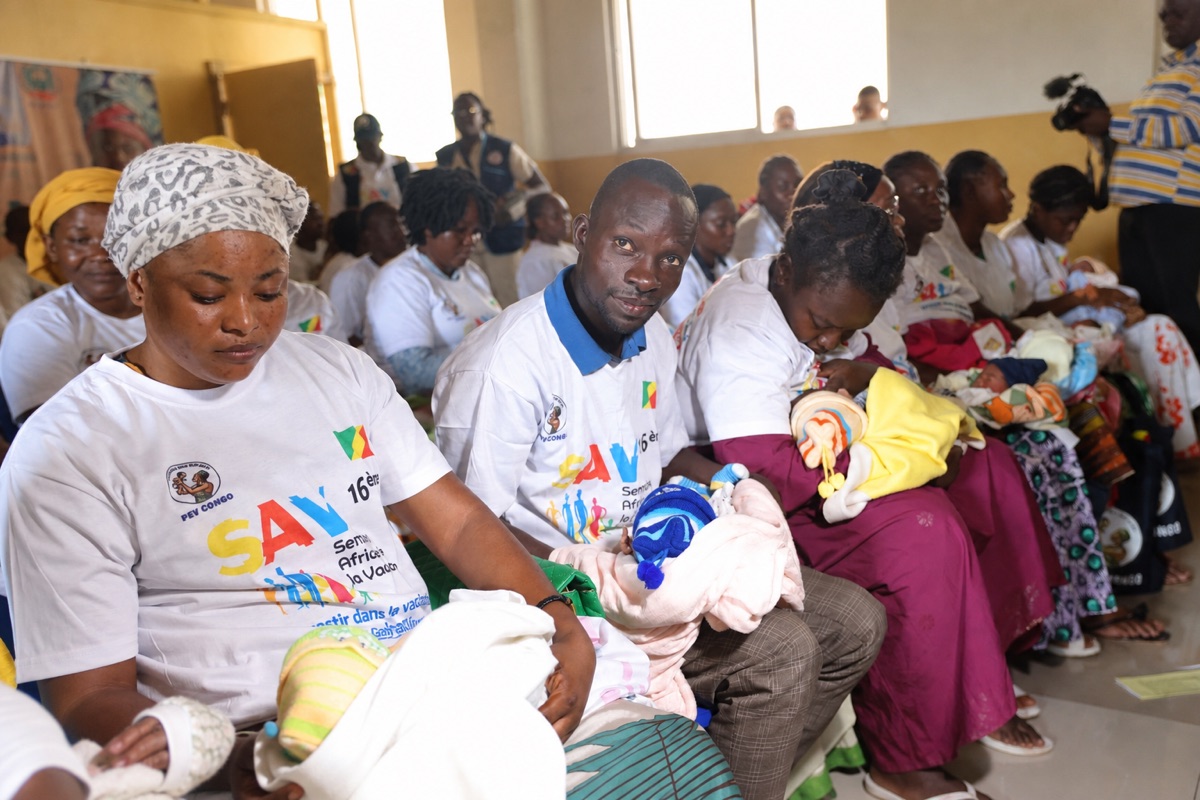
The Republic of Congo has taken a decisive step against one of Africa’s most stubborn liver diseases. On April 24, 2026, Brazzaville hosted the launch of the 16th African Vaccination Week, and the headline measure went straight to the cradle.
From now on, every baby born in the country is set to receive a hepatitis B shot within the first 24 hours of life. Health Minister Pr Jean-Rosaire Ibara framed it plainly, calling the birth dose a shield with preventive effectiveness of close to 90 percent.
Why the Birth Dose Matters So Much
Timing is the whole point. Hepatitis B often passes from mother to child during or shortly after delivery, and that early window decides everything for the newborn. A dose given within a day cuts the chance of the virus taking hold.
The stakes are heavy when prevention slips. According to the source, infected infants left untreated face up to a 90 percent risk of developing a chronic infection. That long-term burden can later harden into cirrhosis or liver cancer, often decades after birth.
A Public Health Tool With Global Weight
The case for vaccination was made firmly at the ceremony. The WHO representative described immunization as one of the most effective and most equitable public health interventions available, crediting it with saving more than 154 million lives worldwide.
For families across Brazzaville, Pointe-Noire and the departments, that global figure lands close to home. A routine jab at the maternity ward now joins the everyday machinery of Congolese public health, quietly working before a parent has even left the hospital.
Congo Joins a Worldwide Elimination Drive
The country is not acting alone. By introducing the birth dose, Congo lines up with more than 115 nations committed to eliminating hepatitis B by 2030. It is a target shared across continents, and Brazzaville has now planted its flag firmly inside that coalition.
The symbolism was not lost on organizers. During the launch, officials present carried out a symbolic vaccination of children, turning policy into a visible gesture that parents could recognize and trust.
The Partners Behind the Rollout
A program of this reach leans on more than political will. The technical and financial partners backing the effort include the WHO, UNICEF, Gavi, Africa CDC and the World Bank, a lineup that signals serious institutional muscle behind the campaign.
That coalition matters for delivery. Vaccines must reach maternity units, cold chains must hold, and staff must be ready at every hour a baby arrives. The named partners are the kind of actors equipped to keep such a system standing day after day.
What It Means for Congolese Families
For new parents, the change is refreshingly simple. The decision happens almost automatically, woven into the first hours after delivery rather than left to a later appointment that might slip through busy lives.
The birth dose strategy also reflects a wider philosophy on display during African Vaccination Week, one that treats immunization as a basic service rather than an optional extra. In that sense, the newborn shot is both a medical measure and a statement of intent.
A Quiet Milestone With Long Reach
There was little drama in the announcement, and that may be its strength. A single dose, delivered fast and early, is the sort of intervention that rarely makes noise yet reshapes outcomes over a generation.
Congo’s leadership has put a number on the ambition, the near 90 percent preventive effectiveness cited by Pr Ibara, and a deadline shared with the world, the 2030 elimination goal. Between those two figures sits a straightforward promise to the country’s youngest citizens.
Looking Ahead From Brazzaville
The launch in Brazzaville frames hepatitis B not as an unavoidable fate but as a problem with a clear, affordable answer. The challenge now shifts from policy to practice, from a ceremony to the steady rhythm of maternity wards nationwide.
If the rollout holds its early promise, the children vaccinated this year may grow up never knowing the threat their parents faced. That is the quiet wager behind every birth dose given across the Republic of Congo.