
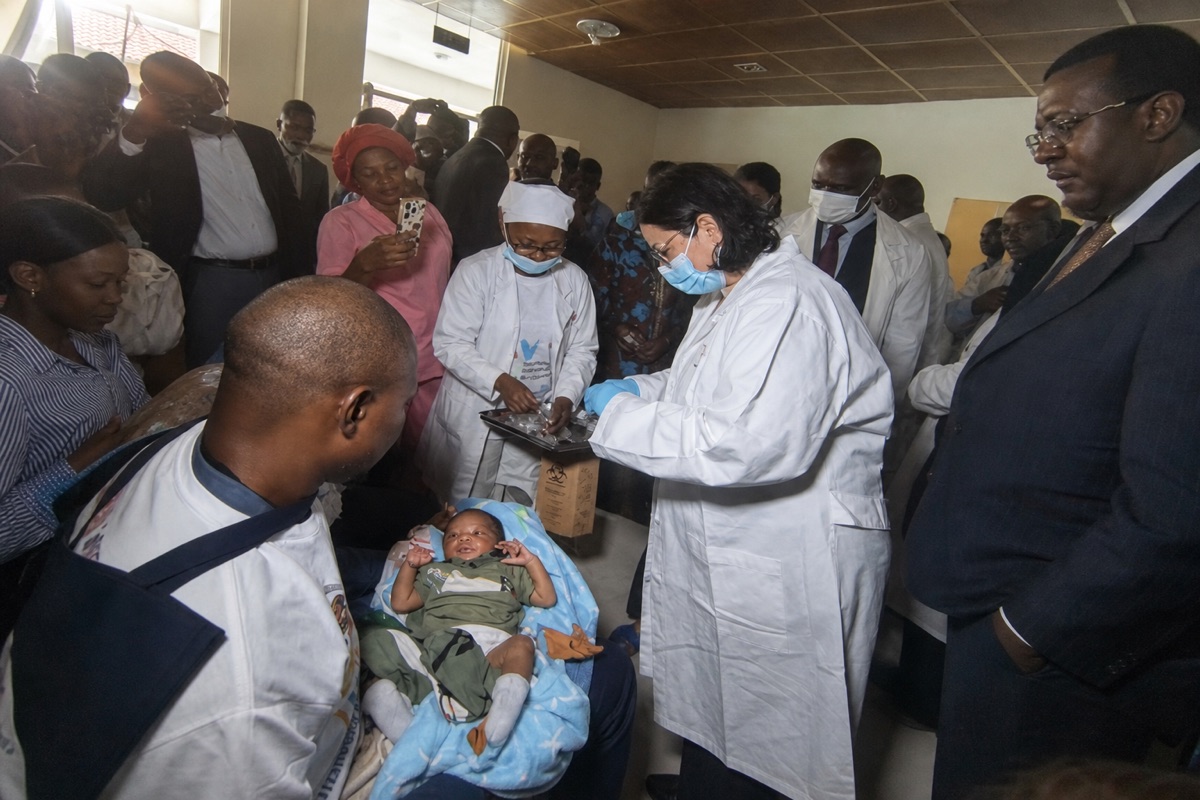
A quiet but significant shift in how Congolese newborns are protected took shape in Brazzaville this spring. Health officials gathered to open Africa’s annual vaccination week and, in doing so, formally folded a new shot into the country’s routine immunization calendar.
A Brazzaville ceremony with national reach
The official launch unfolded on 26 April 2026 at the Blanche Gomes Mother-and-Child specialist hospital in Brazzaville. The setting was deliberate. A facility built around mothers and infants framed the central message of the day: protection should begin at the very start of life.
Health Minister Jean-Rosaire Ibara led the proceedings. He was joined by the resident representative of the World Health Organization for Africa and by several health partners. Together they marked the regional opening of the 16th edition of African Vaccination Week, an event watched well beyond the capital.
A birth dose enters the schedule
The headline development was concrete rather than ceremonial. Congo-Brazzaville officially introduced the hepatitis B birth dose into its national vaccination calendar. The change means the vaccine is now positioned to reach infants in their earliest days, when prevention carries the most weight.
That single addition reshapes the country’s approach to a virus that can settle silently and cause long-term liver disease. By placing the shot at birth, health authorities aim to close a window that has historically left some of the youngest at risk before routine visits even begin.
The message behind the theme
This year’s edition carried the slogan “For every generation, vaccines deliver.” The phrasing was not incidental. It tied the new birth dose to a broader argument that immunization is a thread running across ages, from the first hours of life through childhood and beyond.
Dr Vincent Dossou Sodjinou gave that idea a sharper edge. Vaccination, he said, “remains one of the most effective and most equitable public health interventions.” His words placed fairness alongside efficacy, framing the campaign as a matter of reach as much as science.
Lessons drawn from past campaigns
Minister Ibara used the platform to revisit earlier wins. He pointed to the eradication of wild polio across Africa and to the steep fall in deaths linked to measles. Those references were not nostalgia. They served as evidence that sustained vaccination programs can bend hard public health curves.
The recollection also carried a practical purpose. By recalling what coordinated immunization has already achieved, officials sought to build confidence around the newest step. The argument was simple: methods that worked before can work again when applied early and consistently.
A direct appeal to parents
The ceremony did not stay in the realm of policy. Ibara turned toward families with a clear instruction. He urged parents to “have children vaccinated from birth,” following the recommended schedule rather than delaying or improvising.
That appeal sits at the heart of whether the birth dose succeeds. A vaccine added to a calendar still depends on caregivers acting in those first days. The minister’s framing put responsibility in the home as much as in the clinic, linking national policy to individual choice.
Why the timing matters
Anchoring the announcement inside African Vaccination Week gave it momentum. The week functions as an annual reminder, a moment when health systems push routine coverage back into public conversation. Slotting the hepatitis B birth dose into that calendar tied a lasting change to a visible campaign.
For a country building immunization habits across both cities and rural departments, that visibility counts. The launch in Brazzaville signaled intent, while the schedule change itself is meant to outlast the week and become ordinary practice in maternity wards nationwide.
What to watch next
The real test now moves from the podium to the delivery room. Adding the dose to the calendar is the policy step; ensuring it actually reaches newborns is the operational one. Coverage in the days immediately after birth will reveal how fully the measure takes hold.
Officials framed the day as an advance, and on paper it is. The presence of the WHO representative and health partners suggests the change carries external backing as well as national commitment. Whether that translates into steady protection for each new generation will become clear over the coming year.
For now, the ceremony at Blanche Gomes hospital stands as a marker. Congo-Brazzaville has stated, in front of its partners, that protection against hepatitis B should start at birth. The instruction to parents, paired with the schedule change, sets the direction the country intends to follow.