
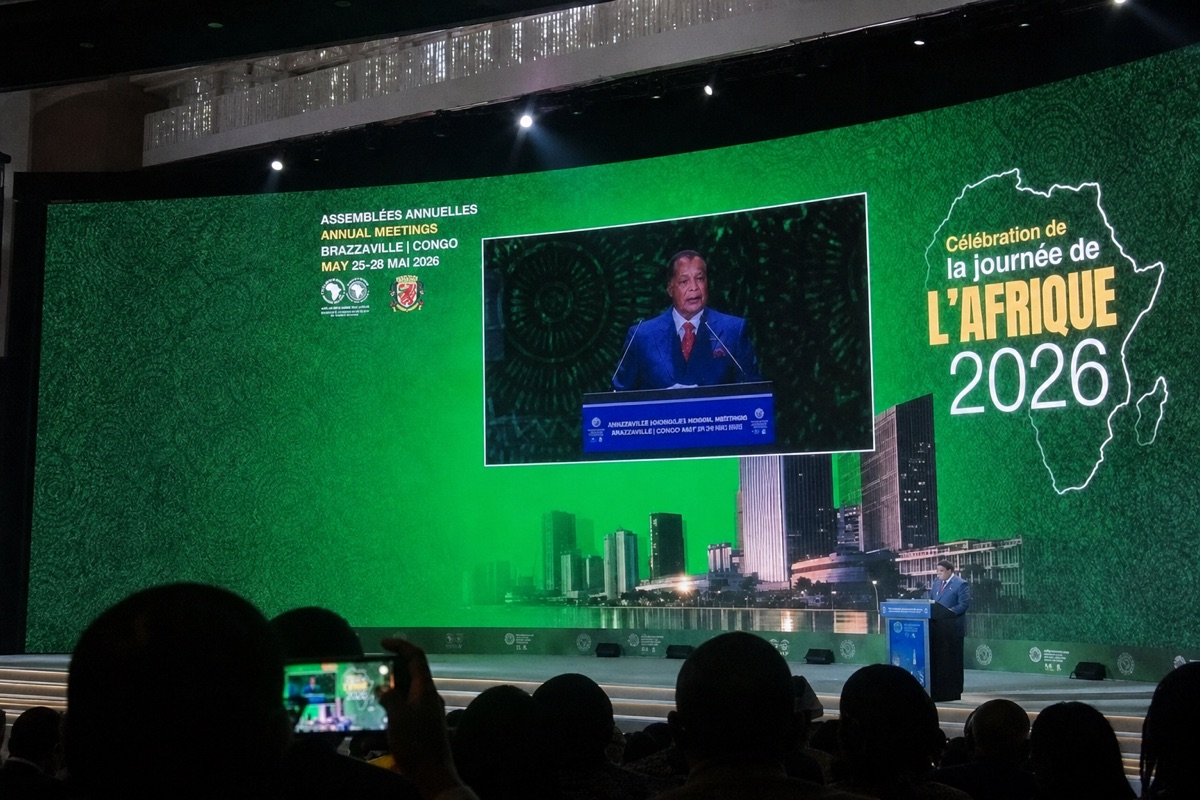
Summary: President Denis Sassou N’Guesso says African nationals will enter the Republic of Congo without a visa from January 1, 2027. He also pressed for a single African passport and faster movement of people and goods across the continent.
A Border Promise Set for January 2027
Africans will no longer need a visa to enter the Republic of Congo from January 1, 2027. President Denis Sassou N’Guesso made the pledge during the 63rd Africa Day, framing it as a clear break with old administrative hurdles.
The announcement, delivered on May 25, 2026, reads less like a routine speech and more like a statement of intent. It signals that Brazzaville wants to be seen among the African capitals pushing mobility, not those quietly slowing it down.
For ordinary travelers, the change is concrete. A continental visitor who once filed paperwork, paid fees and waited could, in principle, simply present a valid passport at the border and walk through.
What Sassou N’Guesso Actually Said
In his address, the head of state called for faster free movement of people and goods across Africa. He tied that goal to stronger regional integration, presenting open borders as a practical engine rather than a slogan.
He went further, backing the idea of a single African passport. He described it as a symbol of a continent that is more united and more open, and as a tool to ease travel beyond borders inherited from the colonial era.
The president did not frame the visa decision as a favor. He cast it as part of a wider duty, a contribution Congo is choosing to make to a shared continental project that many leaders endorse but few have advanced quickly.
How the Move Fits the African Union Agenda
The decision lands inside a larger push led by the African Union, which urges member states to lower administrative barriers that slow trade between African countries. Congo’s pledge fits that direction rather than standing apart from it.
That context matters. Across the continent, several states have multiplied initiatives favoring African mobility, and Brazzaville’s promise places the country within that group instead of leaving it on the sidelines of the conversation.
By aligning with this agenda, Congo positions the reform as more than a national choice. It becomes a signal to peers, suggesting that continental commitments can translate into policy at the border, not only into declarations at summits.
Why Economists See an Opening
Many observers argue the measure could lift economic exchange, tourism and investment between African nations. Easier entry tends to reduce friction for traders and entrepreneurs who currently weigh paperwork before committing to a trip.
The reform may also widen cultural and university opportunities, allowing students and artists to move with fewer obstacles. Such flows, modest at first, can compound over time and quietly reshape how neighboring countries connect.
There is a competitive dimension too. As other states court African travelers, an open-door policy could strengthen Congo’s regional attractiveness, helping Brazzaville present itself as a hub at a moment when mobility is becoming a selling point.
A Continental Spotlight on Brazzaville
The timing is striking. Sassou N’Guesso’s declaration comes as the African Development Bank prepares to hold its annual meetings in Brazzaville, a major continental gathering. That overlap gives the announcement a visible stage.
Those meetings bring together political leaders, financiers and development actors around Africa’s economic challenges. Unveiling an openness measure ahead of such an audience lets the host country pair words with a concrete, easily understood gesture.
It is a calculated convergence. A reform about borders, presented just before a forum about growth, lets Congo speak the language of integration to exactly the decision-makers most likely to weigh its credibility.
A Bet on Pan-African Integration
Through this reform, Congo intends to reaffirm its commitment to pan-Africanism and to the construction of a more integrated African space. The goal, as officials present it, is a continent where citizens move more freely across old frontiers.
The decision marks a notable shift in Congolese migration policy, moving from control toward openness. Whether the practical rollout matches the ambition will become clear only once 2027 arrives and the first visa-free travelers reach the border.
For now, the promise stands as a clear marker. It tells the continent that Brazzaville is willing to act on integration, and it invites neighbors to consider whether they are prepared to answer in kind.